
Safety Mapping
Why Drivers Ignore Zebra Crossings And the Deadly Cost


In most developed countries, zebra crossings are sacred strips of road that guarantee pedestrians safe passage. But they are often reduced to nothing more than faded white lines, ignored by drivers and feared by pedestrians.
Also Read: Why Nigerian Pedestrians Face the Highest Risk on the Roads
Despite their purpose, zebra crossings across Nigerian cities have become death traps due to reckless driver behaviour, lack of enforcement, and poor road culture. Every day, countless Nigerians risk their lives just trying to cross the road.
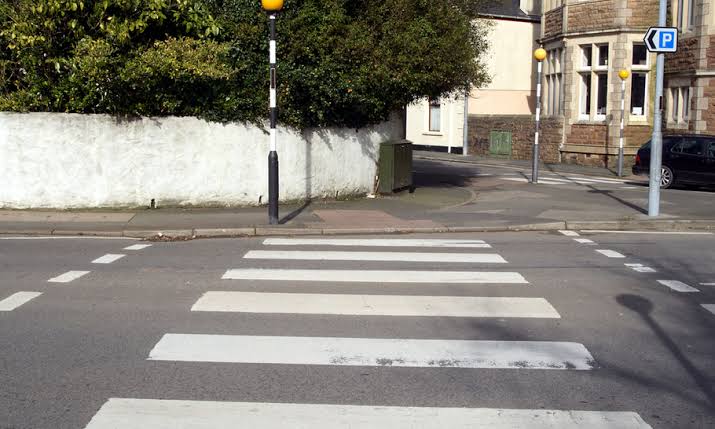
The Nigerian Zebra Crossing Paradox
Globally, zebra crossings function on a trust principle: cars must stop, pedestrians must cross confidently. But in Nigeria:
- Drivers rarely yield, even when traffic lights reinforce the crossing.
- Pedestrians hesitate, knowing they are more likely to be hit than given the right of way.
- Crossings are often poorly maintained, with paint faded into near invisibility.
- This paradox turns what should be a safety measure into a hazardous gamble.
Alarming Statistics
According to the Federal Road Safety Corps (FRSC), pedestrian-related accidents account for nearly 28% of road traffic fatalities in Nigeria (2024 data). In Lagos alone, over 300 pedestrian deaths were recorded in one year, many linked to failed right-of-way situations at zebra crossings and junctions.
A World Health Organization (WHO) report further highlighted that Africa bears the world’s highest pedestrian mortality rate, with Nigeria ranking among the worst-hit due to weak pedestrian infrastructure.
Voices from the Road
Chioma Eze, a university student in Enugu:
“Every time I use the zebra crossing near campus, cars zoom past like they can’t see me. I once had to jump back as a keke almost hit me. It’s terrifying.”
Mr. Olumide Ajayi, a Lagos cab driver:
“Most drivers don’t stop because they know no one enforces it. And honestly, if you stop suddenly, the car behind might ram into you.”
FRSC Officer (anonymous):
“Enforcement is difficult because many crossings are poorly located, faded, or ignored. Education and redesign are as important as penalties.”
Why Drivers Don’t Stop
Several factors explain the disregard for zebra crossings:
- Poor Road Education – Many drivers never received formal road-safety training.
- Cultural Attitude – Pedestrians are seen as “second-class” road users, while vehicles dominate.
- Weak Enforcement – Rarely are fines issued for failing to yield.
- Infrastructure Failure – Crossings are poorly marked or sited in dangerous areas (e.g., without speed bumps or lights).
- Traffic Pressure – With congested roads, many drivers see stopping as a delay they can’t afford.
The Human Cost
For every ignored zebra crossing, there’s a victim:
- Children walking to school forced to dash dangerously across roads.
- Elderly pedestrians stranded midway, unable to outrun vehicles.
- Disabled individuals completely excluded from safe road use.
Accidents at crossings often result in severe injuries such as fractures, head trauma, and lifelong disability. Families lose breadwinners, and communities mourn preventable deaths.
What Can Be Done?
Experts suggest a multi-layered solution:
1. Redesign Crossings
Install speed bumps before zebra lines to force vehicles to slow down.
Use reflective paint and flashing beacons for night visibility.
Relocate crossings away from blind spots.
2. Enforcement & Penalties
FRSC and state traffic agencies should fine drivers who fail to yield.
Deploy traffic cameras at major crossings for automated enforcement.
3. Public Education
Integrate pedestrian safety into driving tests.
Launch nationwide campaigns on respecting zebra crossings.
4. Community Action
Residents’ associations can lobby for safer crossings in schools and markets.
NGOs can sponsor repainting and signage where government fails.
Global Lessons Nigeria Can Learn
- UK Model: Zebra crossings paired with flashing Belisha beacons.
- Japan Model: Strict penalties for non-compliance, plus community-driven maintenance.
- Kenya Example: Pedestrian bridges in high-traffic areas reduced accidents by 35%.
Adopting such approaches could drastically reduce pedestrian deaths in Nigeria.
Conclusion
Zebra crossings are supposed to protect lives, not endanger them. Yet on Nigerian roads, their current state reflects a deeper failure in road culture and governance. Until urgent reforms are made in design, enforcement, and education, every painted crossing will remain a silent reminder of lives cut short unnecessarily.
Respecting zebra crossings is not just about obeying traffic laws; it’s about acknowledging the human right to safety on the road.

Five Die as Truck, Car Collide on Badagry Expressway

Two Killed as Trucks Collide, Burst Into Flames on Anambra Road

Stakeholders Raise Alarm Over Safety Gaps in Nigeria’s CNG and Electric Vehicle Transition

Female Driver Dies in Tragic Road Crash at Mongoro, Ile-Zik Area of Lagos

Physically Challenged Beggar Killed in Multi-Vehicle Crash on Lagos-Ibadan Expressway

Court Bars FRSC Officials From State Roads

24 Pupils Killed in Tragic Bus Crash During School Excursion in Uganda

Tyre Blowouts on Heavy Trucks

BYD Seal EV: Can It Challenge Traditional Sedans?

Colorado to Strengthen Driver Education Requirements

Slow Down: Man got his Family Killed by neglecting road signs

Which Bridge is the Tallest in the World?
Impatient Driving Cause Road Accident
How Roads are Constructed on the Mountain

Texas, USA suffers heavy flooding