
Crash News
Why Nigerian Road Contracts Keep Failing

A Costly Cycle
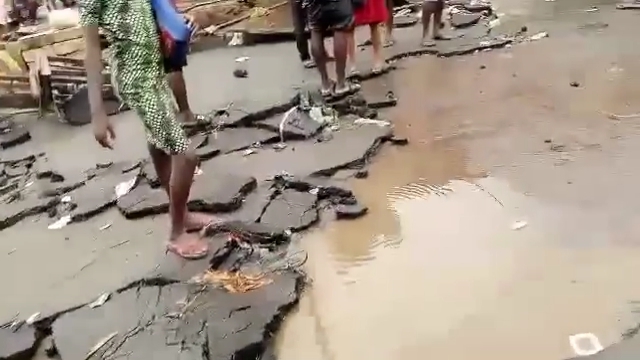
Nigerian roads are infamous for being rebuilt every few years. Billions of naira are allocated annually for construction and maintenance, yet within two rainy seasons, most new roads show cracks, potholes, and erosion.
The problem is not just funding, it’s contract execution, oversight, and design standards.
1. Contract Award Process: Lowest Bid, Lowest Quality
In many cases:
- Contracts go to the lowest bidder, not necessarily the most qualified contractor.
- Specifications are reduced during execution to cut costs.
- Supervision is often minimal due to weak oversight by Federal Ministry of Works or FERMA.
This creates a cycle where poor construction leads to premature road failure.
2. Substandard Materials & Design
Key issues in design include:
- Thin asphalt layers that can’t withstand heavy truck loads.
- Poor drainage systems, water is the number one destroyer of Nigerian roads.
- Inadequate soil stabilization before laying base materials.
Example: The Enugu–Port Harcourt Expressway has seen repeated failures despite multiple rehabilitation projects in the last 10 years.
3. Data on Road Failures
According to Federal Roads Maintenance Agency (FERMA) 2025 Q1 Report:
- 42% of federal roads rehabilitated in the last five years have required major repairs.
- Over ₦350 billion has been spent on recurring repairs between 2020–2025.
4. The Role of Weather & Traffic
- Heavy rainfall combined with poor drainage erodes asphalt edges.
- Overloaded trucks cause rutting and surface cracking.
- Tropical heat cycles expand and contract road materials, accelerating wear.
RoadKing.ng Recommendations for Lasting Roads
| Problem | Solution |
|---|---|
| Lowest-bid contracts | Adopt quality & cost scoring for contractor selection |
| Poor drainage | Mandatory drainage audits before and after construction |
| Substandard materials | Independent material testing labs to certify asphalt and base |
| Weak oversight | Third-party supervision contracts to monitor road works |
| Overloaded trucks | Weighbridges and axle-load enforcement along key corridors |
Learning from Others
- Ethiopia uses concrete for major highways, lasting 20+ years with minimal repair.
- Ghana mandates 5-year performance guarantees for contractors, they return to fix defects at no extra cost.
- Kenya uses “design–build–maintain” contracts, making contractors responsible for durability.
Final Word
Nigeria can stop wasting money on the same roads if we:
- Select contractors based on capacity, not just cost
- Enforce drainage design and axle-load rules
- Hold companies accountable through performance bonds
Every naira spent should deliver roads that survive more than two rainy seasons.
“Built to Last or Built to Fail?”
Also Read: East-West Road: Nigeria’s Billion-Naira Death Trap That Still Claims Lives Daily






Five Die as Truck, Car Collide on Badagry Expressway

Two Killed as Trucks Collide, Burst Into Flames on Anambra Road

Stakeholders Raise Alarm Over Safety Gaps in Nigeria’s CNG and Electric Vehicle Transition

Female Driver Dies in Tragic Road Crash at Mongoro, Ile-Zik Area of Lagos

Physically Challenged Beggar Killed in Multi-Vehicle Crash on Lagos-Ibadan Expressway

Court Bars FRSC Officials From State Roads

24 Pupils Killed in Tragic Bus Crash During School Excursion in Uganda

Tyre Blowouts on Heavy Trucks

BYD Seal EV: Can It Challenge Traditional Sedans?

Colorado to Strengthen Driver Education Requirements

Slow Down: Man got his Family Killed by neglecting road signs

Which Bridge is the Tallest in the World?
Impatient Driving Cause Road Accident
How Roads are Constructed on the Mountain

Texas, USA suffers heavy flooding