
Articles
The Roadblock to Better Roads in Nigeria And the Tech That Can Break It


Even after decades of planning, many Nigerian roads remain poorly maintained.
The recent tragedies in Ogun and Kebbi underscore long-standing issues like:
Narrow or non-existent shoulders
Lack of signage and lighting
Delayed or uncoordinated repairs
Regrettably, these systemic infrastructure failures contribute heavily to avoidable loss of life.
Also Read: Nigeria’s Bad Roads Fail Farmers: Accident Destroys Farm Products
Technological Tools That Could Fix Things
Drone Surveying & Imaging
Drones can quickly and accurately assess:
- Pavement potholes
- Unmarked blackspots
- Erosion or drainage problems
States like Lagos and Kano have piloted drone-based traffic audits, it’s time this becomes the norm nationwide.
IoT-Enhanced Road Sensors
Smart sensors embedded along expressways could:
- Detect vehicle speeds
- Monitor road surface quality
- Alert authorities in real time about crashes or flooding
In advanced nations, similar setups have reduced incident response time by up to 40%.
Public Mapping Apps for Hazard Reporting
Platforms like Waze and Google Maps enable crowdsourced hazard reports. Imagine Nigerians reporting:
- Potholes
- Dumped debris
- Unlit blackspots
- The data could guide urgent local interventions.
Policy Bottlenecks Slowing Progress
Despite reform talk:
- Budget leakage and project underfunding persist.
- Procurement delays, particularly in remote zones, hamper redesign.
- Lack of coordination between federal, state, and local road agencies causes fragmented oversight.
What RoadKing.ng Recommends
Stakeholder Key Actions
Authorities Integrate drone inspections and sensor data into road maintenance plans.
State Governments Partner with startups to build public reporting platforms and incentivize tech adoption.
Federal Ministry Ensure regulatory frameworks support innovative road tech and transparent funding.
Public/Commuters Share hazard reports via apps or social media to pressure action in communities.
Editorial Take
Nigeria’s roads don’t have to remain deadly, and tech offers real solutions. From drones to smart sensors to citizen mapping, there’s momentum waiting to be tapped. The time for change is now.
We need policy courage, tech investment, and civic pressure to bring Nigeria’s highways into the safety age.


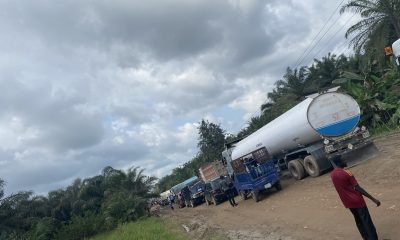




Five Die as Truck, Car Collide on Badagry Expressway

Two Killed as Trucks Collide, Burst Into Flames on Anambra Road

Stakeholders Raise Alarm Over Safety Gaps in Nigeria’s CNG and Electric Vehicle Transition

Female Driver Dies in Tragic Road Crash at Mongoro, Ile-Zik Area of Lagos

Physically Challenged Beggar Killed in Multi-Vehicle Crash on Lagos-Ibadan Expressway

Court Bars FRSC Officials From State Roads

24 Pupils Killed in Tragic Bus Crash During School Excursion in Uganda

Tyre Blowouts on Heavy Trucks

BYD Seal EV: Can It Challenge Traditional Sedans?

Colorado to Strengthen Driver Education Requirements

Slow Down: Man got his Family Killed by neglecting road signs

Which Bridge is the Tallest in the World?
Impatient Driving Cause Road Accident
How Roads are Constructed on the Mountain

Texas, USA suffers heavy flooding