
Articles
Identifying a Luxury Vehicle: An In-Depth Guide

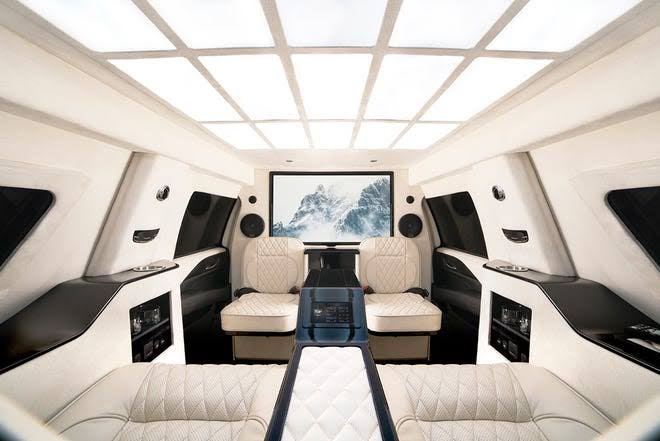
Luxury cars are not just vehicles; they are a symbol of status, comfort, innovation, and exclusivity.
Whether you’re a car enthusiast, a prospective buyer, or simply someone curious about the world of high-end automobiles, knowing what defines a luxury car is essential.
This guide will help you identify the hallmarks of a luxury car, the features that set them apart, and the benefits of investing in one.
What Defines a Luxury Car?
This are premium vehicles that excel in terms of comfort, quality, performance, and technology.
They are manufactured by renowned brands that focus on creating exceptional driving experiences, often at a higher price point.
Examples of such brands include Mercedes-Benz, BMW, Audi, Lexus, Jaguar, Porsche, and Rolls-Royce.
These cars are meticulously crafted, combining superior materials, advanced engineering, and cutting-edge technology. Let’s explore the key features that define a luxury car.
1. High-Quality Materials and Craftsmanship
Luxury cars are characterized by the use of premium materials both inside and out. The interiors often feature hand-stitched leather upholstery, natural wood trim, brushed aluminum, or carbon fiber accents.
The attention to detail in craftsmanship is unparalleled, from the soft-touch materials on the dashboard to the carefully designed ambient lighting systems.
Exterior finishes on luxury cars are also top-notch, with high-gloss paints, chrome accents, and aerodynamic designs. The build quality is impeccable, ensuring durability and refinement.
2. Advanced Technology
Luxury cars are at the forefront of technological innovation. They incorporate advanced features that enhance comfort, safety, and performance. Some of the technologies you can expect include:
- Infotainment Systems: Large touchscreens, voice recognition, and seamless smartphone integration.
- Driver Assistance Features: Adaptive cruise control, lane-keeping assist, blind-spot monitoring, and parking assist.
- Connectivity: Wi-Fi hotspots, over-the-air software updates, and advanced navigation systems with real-time traffic information.
- Safety: Features like automatic emergency braking, 360-degree cameras, and collision avoidance systems are standard in luxury cars.
3. Superior Performance
Luxury cars are built with performance in mind. They often feature powerful engines, such as turbocharged, supercharged, or hybrid powertrains.
The suspension systems are designed to deliver a smooth and comfortable ride while maintaining exceptional handling and stability.
Many luxury cars also offer multiple driving modes, allowing drivers to switch between comfort, sport, or eco settings depending on their preference.
Some high-performance luxury brands, like Porsche or Maserati, also focus on delivering thrilling speed and acceleration.
4. Comfort and Convenience
Comfort is a cornerstone of luxury cars. Spacious interiors, ergonomic seating with heating, cooling, and massage functions, as well as quiet cabins with noise-canceling technology, make every ride a pleasurable experience.
Other convenience features may include:
- Hands-free tailgates or trunks.
- Adjustable ambient lighting.
- Premium sound systems like Bang & Olufsen or Bose.
- Customizable seating configurations and climate control for all passengers.
5. Brand Reputation and Exclusivity
The brand itself plays a crucial role in defining a luxury car. Renowned luxury car manufacturers have a legacy of producing exceptional vehicles with a focus on innovation and design. Owning a luxury car often carries a sense of prestige and exclusivity, as these vehicles are typically produced in limited numbers.
For example, Rolls-Royce and Bentley are known for their bespoke offerings, allowing customers to personalize their cars down to the smallest details, such as monograms or custom paint colors.
How to Spot a Luxury Car in the Market
When evaluating a car to determine whether it qualifies as a luxury vehicle, consider the following:
- Price Range: Luxury cars typically start at $40,000 and can go up to several hundred thousand dollars.
- Badge and Branding: Look for the emblem or logo of a reputable luxury brand.
- Interior Features: Check for high-end materials, advanced technology, and superior comfort.
- Performance Specifications: Look at engine power, suspension quality, and drivetrain options.
- Reputation: Research reviews and customer feedback to assess the car’s overall standing in the market.
Benefits of Owning a Luxury Car
Owning a luxury car comes with a host of benefits beyond just driving. Some of the advantages include:
- Enhanced Driving Experience: Smooth handling, powerful performance, and unparalleled comfort.
- Resale Value: Luxury cars often retain their value better than standard vehicles, especially when well-maintained.
- Prestige: Driving a luxury car is a statement of success and sophistication.
- Access to Premium Services: Many luxury brands offer VIP perks such as concierge services, extended warranties, and exclusive events for owners.
Recognizing a luxury car involves understanding its unique blend of quality, innovation, and exclusivity.
These vehicles are designed to offer an extraordinary driving experience, making them a worthwhile investment for those who value comfort, technology, and status.
Whether you’re admiring them from afar or planning to purchase one, luxury cars are a testament to automotive excellence.






Five Die as Truck, Car Collide on Badagry Expressway

Two Killed as Trucks Collide, Burst Into Flames on Anambra Road

Stakeholders Raise Alarm Over Safety Gaps in Nigeria’s CNG and Electric Vehicle Transition

Female Driver Dies in Tragic Road Crash at Mongoro, Ile-Zik Area of Lagos

Physically Challenged Beggar Killed in Multi-Vehicle Crash on Lagos-Ibadan Expressway

Court Bars FRSC Officials From State Roads

24 Pupils Killed in Tragic Bus Crash During School Excursion in Uganda

Tyre Blowouts on Heavy Trucks

BYD Seal EV: Can It Challenge Traditional Sedans?

Colorado to Strengthen Driver Education Requirements

Slow Down: Man got his Family Killed by neglecting road signs

Which Bridge is the Tallest in the World?
Impatient Driving Cause Road Accident
How Roads are Constructed on the Mountain

Texas, USA suffers heavy flooding