
Articles
How to know when Engine oil enters the Combustion Chamber

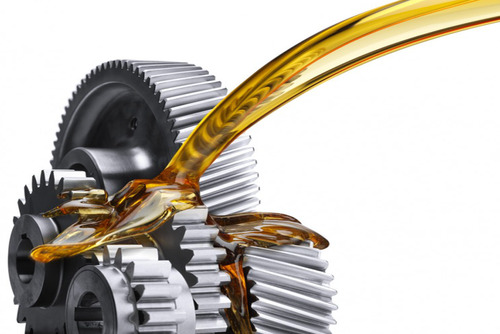
Engine oil is essential for maintaining a vehicle’s engine performance. It lubricates moving parts, reduces friction, and helps manage engine temperature.
However, engine oil is designed to remain within specific areas of the engine. When it enters the combustion chamber, where the air-fuel mixture burns, it can lead to various problems.
This article explores the causes, consequences, and solutions for oil entering the combustion chamber.
1. Understanding the Engine’s Combustion Process
The combustion chamber is a crucial part of an internal combustion engine where the fuel-air mixture ignites, producing the energy necessary to power the vehicle.
Ideally, the only substances in this chamber are the air-fuel mixture and the resulting exhaust gases.
However, when engine oil infiltrates the combustion chamber, it disrupts this balance and can cause significant engine problems.
2. Causes of Engine Oil Entering the Combustion Chamber
Several factors can cause engine oil to seep into the combustion chamber. Understanding these causes can help in diagnosing and preventing the issue.
Worn Piston Rings
Piston rings are designed to seal the combustion chamber, preventing the air-fuel mixture from leaking into the oil pan and stopping oil from entering the combustion chamber.
Over time, these rings can wear out, losing their ability to maintain a tight seal. When this happens, oil can bypass the piston rings and enter the combustion chamber.
Worn Valve Guides and Seals
Valve guides are pathways that guide the engine’s intake and exhaust valves, while the seals prevent oil from leaking into the combustion chamber.
If either the valve guides or seals become worn, oil can leak through and enter the chamber.
This is particularly problematic during the intake stroke when the valve opens to allow the air-fuel mixture into the combustion chamber.
Head Gasket Failure
The head gasket sits between the engine block and the cylinder head, sealing the combustion chamber and preventing fluids like engine oil and coolant from mixing.
A blown head gasket can allow engine oil to leak into the combustion chamber, leading to a host of issues.
Cracked Engine Block or Cylinder Head
A cracked engine block or cylinder head can also lead to oil entering the combustion chamber.
These cracks can be caused by overheating, manufacturing defects, or extreme wear and tear.
When the block or head cracks, it can create pathways for oil to seep into the combustion chamber.
Turbocharger Issues
In turbocharged engines, the turbocharger is lubricated with engine oil.
If the turbocharger’s seals fail, oil can leak into the intake system, ultimately making its way into the combustion chamber.
This can lead to blue smoke from the exhaust and other related symptoms.
3. Consequences of Engine Oil in the Combustion Chamber
The presence of engine oil in the combustion chamber can have several detrimental effects on engine performance and longevity.
Some of the most significant consequences include:
Increased Exhaust Emissions
When engine oil burns in the combustion chamber, it produces thick, blue-gray smoke that exits through the exhaust system.
This smoke is a clear sign that oil is burning alongside the air-fuel mixture.
Burning oil not only contributes to air pollution but also indicates that the engine is not operating efficiently.
Fouled Spark Plugs
Spark plugs are responsible for igniting the air-fuel mixture in the combustion chamber.
When oil enters the chamber, it can coat the spark plugs, causing them to foul.
Fouled spark plugs can lead to misfires, reduced engine power, and increased fuel consumption.
In severe cases, the engine may fail to start altogether.
Reduced Engine Performance
Engine oil in the combustion chamber can lead to incomplete combustion, resulting in a loss of power and efficiency.
The engine may struggle to accelerate, and the vehicle may experience a noticeable drop in overall performance.
Catalytic Converter Damage
The catalytic converter is designed to reduce harmful emissions by converting exhaust gases into less harmful substances.
However, when oil burns in the combustion chamber, it can produce deposits that clog the catalytic converter.
A clogged converter can lead to increased exhaust backpressure, reduced engine performance, and, in some cases, complete converter failure.
Engine Damage
Over time, the presence of engine oil in the combustion chamber can cause significant damage to the engine.
The burning oil can create carbon deposits on the piston crowns, cylinder walls, and valves.
These deposits can lead to increased wear and tear, reducing the engine’s overall lifespan.
In extreme cases, the engine may seize, requiring costly repairs or even a complete replacement.
4. Diagnosing the Problem
Diagnosing the cause of engine oil entering the combustion chamber requires a systematic approach. Here are some common diagnostic methods:
Visual Inspection
A visual inspection of the engine can reveal signs of oil leaks, worn seals, and damaged components.
Checking the condition of the spark plugs can also provide clues. Oil-fouled spark plugs are a clear indication that oil is entering the combustion chamber.
Compression Test
A compression test measures the pressure in the engine’s cylinders.
Low compression in one or more cylinders can indicate worn piston rings, a blown head gasket, or other related issues that could be allowing oil to enter the combustion chamber.
Leak-Down Test
A leak-down test involves pressurizing each cylinder and measuring the rate at which the pressure decreases.
This test can help pinpoint the exact location of a leak, such as a faulty valve seal or a cracked cylinder head.
Oil Analysis
An oil analysis can detect the presence of contaminants, including fuel and coolant, in the oil.
This can help identify whether oil is mixing with other fluids and entering the combustion chamber.
5. Solutions and Preventative Measures
Addressing the issue of engine oil entering the combustion chamber requires identifying the root cause and implementing the appropriate solution.
Replacing Worn Piston Rings
If worn piston rings are the culprit, replacing them is essential.
This is a labor-intensive process that involves disassembling the engine.
However, it is necessary to restore proper compression and prevent oil from entering the combustion chamber.
Repairing or Replacing Valve Guides and Seals
If the valve guides or seals are worn, they should be repaired or replaced.
This typically involves removing the cylinder head and replacing the damaged components.
In some cases, the entire cylinder head may need to be replaced if the damage is severe.
Fixing a Blown Head Gasket
Repairing a blown head gasket is a critical step in preventing oil from entering the combustion chamber.
This process involves removing the cylinder head, replacing the gasket, and reassembling the engine.
In some cases, the cylinder head may need to be machined to ensure a proper seal.
Addressing Turbocharger Issues
If the turbocharger is leaking oil into the intake system, it may need to be rebuilt or replaced.
Ensuring that the turbocharger is properly lubricated and functioning correctly is essential for preventing oil from entering the combustion chamber.
Regular Maintenance
Regular engine maintenance is key to preventing issues like oil entering the combustion chamber.
Routine oil changes, checking and replacing worn components, and monitoring engine performance can help catch potential problems before they become serious.
In conclusion, oil entering the combustion chamber is a serious issue that can lead to a range of engine problems, from reduced performance to catastrophic engine failure.
Understanding the causes, recognizing the symptoms, and taking appropriate action can help prevent and mitigate the damage caused by this problem.
Regular maintenance and timely repairs are crucial to keeping your engine running smoothly and efficiently.


M11 Motorway Shut After Double Crash Near Stansted Airport

Two Killed in Head-On Collision Between Toyota Corolla and Tricycle in Calabar

Speeding Car Rams Into E-Rickshaw and Cyclist, Killing Three in Chandigarh

Japan Tests Holographic Crossing Guards to Protect Children

Woman Killed in Hit-and-Run Three-Car Crash on N24 Near Limerick

23-Year-Old Woman Dies After Collision Between Airport Shuttle and Car

5 Killed in Horrific Head-On Collision on Tumakuru Road, Bengaluru
Man Killed After Collision on Highway 407 Near Markham
11 Killed in Enugu–Port Harcourt Expressway Collision

Telangana Among India’s States with Highest NH Black Spots
Man Killed After Collision on Highway 407 Near Markham
Two Killed in Head-On Collision Between Toyota Corolla and Tricycle in Calabar
11 Killed in Enugu–Port Harcourt Expressway Collision
5 Killed in Horrific Head-On Collision on Tumakuru Road, Bengaluru
23-Year-Old Woman Dies After Collision Between Airport Shuttle and Car
Woman Killed in Hit-and-Run Three-Car Crash on N24 Near Limerick
Japan Tests Holographic Crossing Guards to Protect Children
Speeding Car Rams Into E-Rickshaw and Cyclist, Killing Three in Chandigarh
M11 Motorway Shut After Double Crash Near Stansted Airport

Slow Down: Man got his Family Killed by neglecting road signs

Which Bridge is the Tallest in the World?
Impatient Driving Cause Road Accident
How Roads are Constructed on the Mountain

Texas, USA suffers heavy flooding