
Articles
The Dangers of Impatience in Driving


Driving is a daily necessity for many people around the world, but it comes with its own set of challenges and responsibilities.
Among the most critical aspects to drive safe is maintaining patience behind the wheel.
Unfortunately, impatience is a common issue that can lead to severe consequences.
This article delves into the dangers of impatient drivings, examining how it impacts safety, causes accidents, and affects the overall driving experience.
The Psychology behind Impatient Drive
Impatient driving often stems from various psychological factors.
Stress, time pressure, and a desire for control can lead individuals to adopt aggressive driving behaviors.
When drivers feel rushed or frustrated, they are more likely to take risks and make impulsive decisions.
This lack of patience can manifest in several dangerous ways, each with its own set of risks.
Common Behaviors of Impatient Drivers
1. Excessive speeding
One of the most prevalent behaviors associated with impatient driving is speeding.
Drivers who are in a hurry often exceed the speed limit, believing it will save them time.
However, speeding reduces the driver’s ability to react to sudden changes in traffic conditions and increases the severity of accidents.
2. Tailgating
Following too closely behind another vehicle, known as tailgating, is another dangerous behavior.
Impatient drivers may tailgate in an attempt to pressure the car ahead to move faster or change lanes.
This reduces the reaction time available to avoid a collision if the leading vehicle suddenly stops.
3. Frequent Lane Changes
Impatient drivers often weave in and out of traffic, switching lanes frequently to try to gain an advantage.
This erratic driving behavior can confuse other drivers and increase the likelihood of side-swipe accidents.
4. Ignoring Traffic Signals and Signs
In their rush, impatient drivers might run red lights, ignore stop signs, or fail to yield the right of way.
Such violations can lead to severe accidents, particularly at intersections where crossing traffic is unexpected.
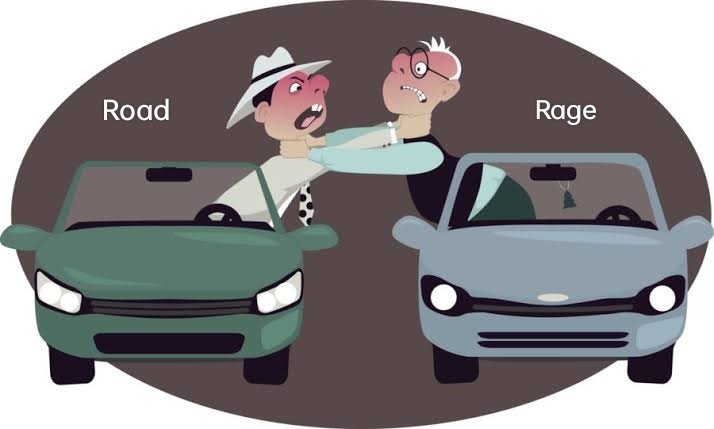
5. Road Rage
Impatience can escalate into aggressive driving, commonly referred to as road rage.
This includes yelling, gesturing aggressively, or even engaging in physical confrontations with other drivers.
Road rage incidents can quickly spiral out of control and result in dangerous situations.
Consequences of Impatient Driving
1. Increased Accident Risk
The most significant danger of impatient driving is the heightened risk of accidents.
According to the National Highway Traffic Safety Administration (NHTSA), speeding was a contributing factor in 26% of all traffic fatalities in 2019.
Impatient behaviors like speeding and tailgating significantly increase the likelihood of collisions.
2. Severe Injuries and Fatalities
Accidents caused by impatient driving often result in more severe injuries and fatalities.
Higher speeds lead to greater impact forces during a collision, which can cause more significant damage to vehicles and more serious injuries to occupants.
3. Legal Consequences
Impatient driving behaviors can result in legal repercussions, including fines, points on a driver’s license, and even imprisonment in cases of severe road rage or fatal accidents.
Accumulating points on a license can lead to increased insurance premiums and, eventually, the suspension of driving privileges.
4. Financial Costs implications
Beyond legal fines, impatient driving can incur substantial financial costs.
Accidents lead to vehicle repair or replacement costs, medical expenses for treating injuries, and potential lawsuits.
Additionally, higher insurance premiums and the loss of a driver’s license can have long-term financial impacts.
5. Emotional and Psychological Impact
The emotional and psychological toll of being involved in an accident can be significant.
Injured drivers and passengers may experience trauma, anxiety, and stress, which can affect their overall quality of life.
Even drivers who escape accidents unscathed may suffer from guilt or regret for their actions.
Impatient Driving in Different Road Environments
1. Urban Areas
Impatient driving is particularly dangerous in urban areas where traffic congestion is common.
The high density of vehicles, pedestrians, and cyclists increases the likelihood of accidents.
Impatient drivers who speed or ignore traffic signals in these environments pose a significant risk to public safety.
2. Highways
On highways, the higher speeds involved mean that the consequences of impatient driving can be even more severe.
Tailgating and frequent lane changes at high speeds increase the risk of multi-vehicle pile-ups and catastrophic accidents.
3. Rural Roads
Rural roads often have higher speed limits and less traffic, but they can also be more hazardous due to sharp curves, wildlife crossings, and limited visibility.
Impatient driving on rural roads can lead to losing control of the vehicle or encountering unexpected obstacles.
Strategies for Combating Impatient Driving
- Time Management: Planning ahead and allowing ample time for travel can reduce the urge to rush. Checking traffic conditions and factoring in potential delays can help set realistic expectations for the journey.
- Mindfulness and Stress Reduction: Practicing mindfulness and stress-reduction techniques, such as deep breathing exercises, can help drivers maintain a calm demeanor. Listening to calming music or engaging in relaxation exercises before driving can also be beneficial.
- Defensive Driving: Adopting a defensive driving mindset involves anticipating potential hazards and being prepared to react safely. Defensive drivers maintain safe following distances, adhere to speed limits, and stay aware of their surroundings.
- Public Awareness Campaign: Public awareness campaigns can educate drivers about the dangers of impatient driving and promote safer driving behaviors. These campaigns can be conducted through media, social platforms, and community events.
- Law Enforcement and Penalties: Strict enforcement of traffic laws and penalties for aggressive driving behaviors can deter impatient driving. Increased police presence on the roads and the use of speed cameras can help






Five Die as Truck, Car Collide on Badagry Expressway

Two Killed as Trucks Collide, Burst Into Flames on Anambra Road

Stakeholders Raise Alarm Over Safety Gaps in Nigeria’s CNG and Electric Vehicle Transition

Female Driver Dies in Tragic Road Crash at Mongoro, Ile-Zik Area of Lagos

Physically Challenged Beggar Killed in Multi-Vehicle Crash on Lagos-Ibadan Expressway

Court Bars FRSC Officials From State Roads

24 Pupils Killed in Tragic Bus Crash During School Excursion in Uganda

Tyre Blowouts on Heavy Trucks

BYD Seal EV: Can It Challenge Traditional Sedans?

Colorado to Strengthen Driver Education Requirements
Two Killed as Trucks Collide, Burst Into Flames on Anambra Road
Five Die as Truck, Car Collide on Badagry Expressway

Slow Down: Man got his Family Killed by neglecting road signs

Which Bridge is the Tallest in the World?
Impatient Driving Cause Road Accident
How Roads are Constructed on the Mountain

Texas, USA suffers heavy flooding