
Driver Training
Driving Forward: The Future of Transportation in Nigeria


Nigeria stands at the cusp of a significant transformation in the transportation industry.
The confluence of rapid urbanization, burgeoning population figures, and notable technological advancements is heralding a shift in the dynamics of mobility within the nation.
The vibrant streets of Lagos and the burgeoning highways of Abuja are witnessing the emergence of innovative solutions aimed at addressing the prevalent challenges of congestion, pollution, and accessibility.
These solutions are pivotal in reshaping the transportation landscape of Nigeria.
Technology stands out as a primary catalyst for this transformative change.
The advent of mobile applications, ride-sharing platforms, and digital payment systems is revolutionizing the commuting experience for Nigerians, offering them convenient and cost-effective means of transportation.
The adoption of electric vehicles is steadily gaining momentum, promising a cleaner and more sustainable mode of transportation for the future populace.
Furthermore, the development of infrastructure plays a pivotal role in shaping the transportation sector.
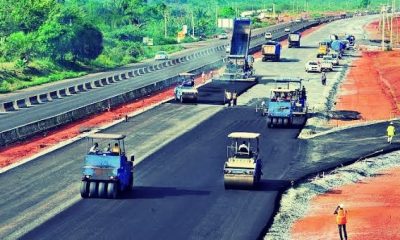
Investments in the enhancement of roads, bridges, railways, and airports are significantly expanding connectivity throughout the country.
This connectivity is instrumental in bridging the gap between rural and urban areas, thereby fostering economic growth and development on a national scale.
In spite of progress made, it is imperative to acknowledge the persistent challenges that continue to afflict the transportation sector.
The issue of traffic congestion remains a pressing concern in numerous major cities across the nation, resulting in substantial losses in productivity and a marked increase in environmental pollution levels.
Moreover, the matter of safety on the roads remains a prevalent issue, particularly on routes that are inadequately maintained.
The existing disparities in the accessibility of transportation infrastructure further underscore the critical necessity for comprehensive planning and substantial investment in this domain.
Looking towards the future, Nigeria must increasingly recognize the paramount significance of establishing sustainable, efficient, and inclusive transportation systems.
This recognition is pivotal for the nation’s advancement in this crucial sector.
To navigate these challenges successfully, Nigeria must wholeheartedly embrace cutting-edge technological advancements, allocate substantial resources towards infrastructure development, and cultivate robust partnerships between governmental bodies, the private sector, and civil society.
By adopting these measures, Nigeria can effectively pave the way towards a more promising and equitable future in transportation for all its citizens.












Five Die as Truck, Car Collide on Badagry Expressway

Two Killed as Trucks Collide, Burst Into Flames on Anambra Road

Stakeholders Raise Alarm Over Safety Gaps in Nigeria’s CNG and Electric Vehicle Transition

Female Driver Dies in Tragic Road Crash at Mongoro, Ile-Zik Area of Lagos

Physically Challenged Beggar Killed in Multi-Vehicle Crash on Lagos-Ibadan Expressway

Court Bars FRSC Officials From State Roads

24 Pupils Killed in Tragic Bus Crash During School Excursion in Uganda

Tyre Blowouts on Heavy Trucks

BYD Seal EV: Can It Challenge Traditional Sedans?

Colorado to Strengthen Driver Education Requirements

Slow Down: Man got his Family Killed by neglecting road signs

Which Bridge is the Tallest in the World?
Impatient Driving Cause Road Accident
How Roads are Constructed on the Mountain

Texas, USA suffers heavy flooding