
Car/Vehicle Maintenance
How to Maintain your automatic transmission vehicle


If you drive an automatic transmissions vehicle, this article is for you.
It has come to the attention of a highly esteemed car mechanic, Scotty Kilmer, that a particular error in driving habits may result in catastrophic consequences for the transmission system.
Mr. Kilmer, a renowned figure in the automotive industry, has garnered a substantial following on the video-sharing platform YouTube, where his informative content has amassed an impressive number of likes exceeding 200,000.
In a recent instructional video posted on his channel, Mr. Kilmer conscientiously highlighted five common mistakes frequently observed among drivers, emphasizing the imperative need for heightened awareness and caution.
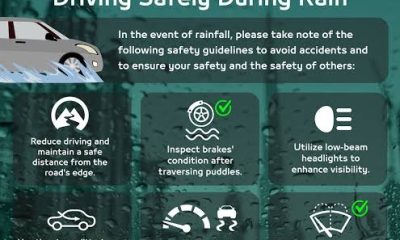
Driving through deep water
Among these errors, the mechanic specifically cautioned against the peril of driving through deep bodies of water.
Such an action, if undertaken, poses a significant risk of water infiltrating the transmission mechanism, thereby causing irreparable damage to this vital component of the vehicle.
It is therefore strongly advised that individuals exercise prudence and refrain from driving through deep water to prevent the potential obliteration of the transmission system.
Scotty said: “You never want to drive an automatic car through deep water and here’s why.
“You have to have vents on automatic transmission as the fluid gets hot and expands, and contracts to release pressure.
“If you go through water that will suck water into the transmission – water and automatic do not go together.
“If you get water in your automatic transmission sometimes you get lucky and flush it out – but often it will destroy the entire transmission and you’ll need a new one.”
Switching from drive to reverse gear
Switching from drive to reverse while the vehicle is in motion can cause the car to stall and may lead to a slight grinding sound.
Many newer cars now have an inhibitor, but for those who buy used cars, caution is advised as not all of them come with this feature.
“Never accidentally have your car go from drive into reverse while the cars moving. Make sure you don’t accidentally hit it and rip it into reverse while you’re driving down the road because it will destroy the transmission,” Scotty warned drivers
Leaving the car in drive
The mechanic advises drivers not to keep their car in drive for an extended period of time when idling.
“Leaving it in drive if you’re idling for a long time […] can lead to overheating of the inside of the transmission, if you going to be sitting there for a long time just shut the car off or at least put it into Park,” he warned.
Doing a Burnouts
The mechanic, a knowledgeable professional in the field of automotive maintenance, took the opportunity to enlighten the audience on the detrimental effects of burnouts.
Burnouts, a practice where a vehicle remains stationary while its wheels spin rapidly, were highlighted as a particularly harmful activity for drivers.
The mechanic strongly advised all drivers to exercise caution and refrain from engaging in such behavior.
It was emphasized that burnouts are considered to be among the most damaging actions one can subject an automatic vehicle to.
Therefore, it is imperative that drivers make a concerted effort to steer clear of this practice in order to preserve the optimal functioning and longevity of their vehicles.
Neglecting to replace transmission fluid
It is a common belief among some manufacturers that the replacement of transmission fluid in certain newer car models may not be necessary.
However, it is imperative to note that this assertion is unsubstantiated.
While it is true that contemporary vehicles are equipped with synthetic fluid that exhibits enhanced heat resistance and reduced breakdown tendencies.
It is essential to acknowledge that over time, this fluid will inevitably deteriorate. Automatic transmission.
Yes, modern cars use synthetic fluid that can handle heat better and break down less, but eventually it does break down,” he says.
Therefore, it is strongly advised to adhere to a regular maintenance schedule that includes the replacement of transmission fluid every 60,000 to 80,000 miles.
By following this recommendation, you ensure the optimal performance and longevity of your vehicle’s transmission system.
Failure to replace the transmission fluid at appropriate intervals may lead to diminished efficiency, increased wear and tear, and potentially costly repairs in the future.
It is in the best interest of your vehicle’s overall health and functionality to prioritize the timely replacement of transmission fluid as part of your routine maintenance regimen.







Five Die as Truck, Car Collide on Badagry Expressway

Two Killed as Trucks Collide, Burst Into Flames on Anambra Road

Stakeholders Raise Alarm Over Safety Gaps in Nigeria’s CNG and Electric Vehicle Transition

Female Driver Dies in Tragic Road Crash at Mongoro, Ile-Zik Area of Lagos

Physically Challenged Beggar Killed in Multi-Vehicle Crash on Lagos-Ibadan Expressway

Court Bars FRSC Officials From State Roads

24 Pupils Killed in Tragic Bus Crash During School Excursion in Uganda

Tyre Blowouts on Heavy Trucks

BYD Seal EV: Can It Challenge Traditional Sedans?

Colorado to Strengthen Driver Education Requirements

Slow Down: Man got his Family Killed by neglecting road signs

Which Bridge is the Tallest in the World?
Impatient Driving Cause Road Accident
How Roads are Constructed on the Mountain

Texas, USA suffers heavy flooding