
Car/Vehicle Maintenance
Understanding Gearbox Oil: Composition and Functions

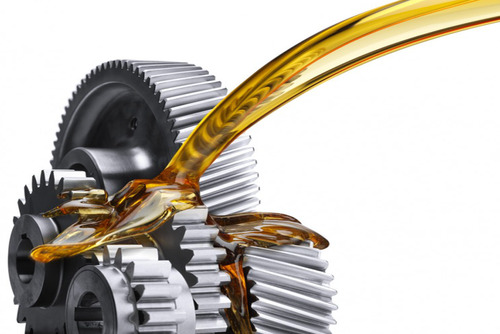
Gearbox oil, also known as gear oil or transmission fluid, plays a crucial role in ensuring the smooth operation and longevity of mechanical transmissions in vehicles, machinery, and industrial equipment.
This article delves into the composition, functions, and maintenance of gearbox oil, shedding light on its importance in various applications.
Composition of Gearbox Oil
It’s a specialized lubricant formulated to meet the demanding requirements of gear systems.
It is composed of base oils, additives, and sometimes viscosity modifiers.
The base oils can be mineral, synthetic, or a blend of both, offering different performance characteristics such as viscosity, thermal stability, and oxidation resistance.
Additives are essential components of the oil, providing various functionalities such as:
1. Extreme Pressure (EP) Properties: Additives like sulfur-phosphorus compounds form protective layers on metal surfaces, preventing wear and damage under high-pressure conditions common in gear systems.
2. Anti-Wear Agents: Compounds like zinc dialkyldithiophosphate (ZDDP) reduce friction and wear between gear teeth, enhancing the longevity of transmission components.
3. Viscosity Index Improvers: Viscosity modifiers maintain optimal oil viscosity across a range of temperatures, ensuring proper lubrication under both cold-start and high-temperature conditions.
4. Detergents and Dispersants: These additives prevent the formation of deposits and sludge, keeping the transmission clean and reducing the risk of corrosion and oxidation.
Functions of Gearbox Oil
Gearbox oil performs several critical functions within mechanical transmissions:
1. Lubrication: The primary function of the oil is to reduce friction between moving parts, such as gear teeth and bearings, by forming a protective film that separates metal surfaces.
2. Heat Dissipation: Gear systems generate significant heat due to friction and mechanical forces. Gear oil absorbs and dissipates this heat, preventing overheating and thermal breakdown of transmission components.
3. Wear Protection: EP additives in gearbox oil form chemical bonds with metal surfaces, creating a barrier that prevents direct contact between gear teeth and reduces wear and pitting.
4. Seal Conditioning: it helps maintain the flexibility and integrity of seals and gaskets, preventing leaks and ensuring a tight seal between transmission components.
5. Corrosion Prevention: Additives in gearbox oil inhibit the formation of rust and corrosion on metal surfaces, extending the lifespan of transmission components and reducing maintenance costs.
Maintenance of Gearbox Oil
Proper maintenance is essential to ensure the optimal performance and longevity of gearbox oil and the transmission system as a whole. Key maintenance tasks include:
1. Regular Inspections: Periodic visual inspections of the oil level, color, and clarity can help identify potential issues such as leaks, contamination, or degradation of the oil.
2. Oil Changes: Scheduled oil changes are necessary to remove contaminants, replenish additives, and maintain proper lubrication properties.
The frequency of oil changes depends on factors such as operating conditions, load, and manufacturer recommendations.
3. Top-Up: Monitoring gearbox oil level and topping up as needed ensures adequate lubrication and prevents damage due to low oil levels.
4. Filter Replacement: Many gear systems are equipped with filters to remove contaminants from the oil.
Regular replacement of these filters helps maintain oil cleanliness and prolongs the lifespan of transmission components.
5. Environment Considerations: Operating conditions such as temperature, humidity, and load can impact the performance and lifespan of gearbox oil. Choosing the right oil viscosity and formulation for specific operating conditions is crucial.
In conclusion, gearbox oil is a vital component of mechanical transmissions, providing lubrication, heat dissipation, wear protection, and corrosion prevention.
By understanding its composition, functions, and maintenance requirements, equipment operators and maintenance professionals can ensure the reliable operation and longevity of gear systems in various applications.
Regular inspection, proper oil selection, and adherence to maintenance schedules are essential practices for maximizing the performance and lifespan of gearbox oil and transmission systems.












Five Die as Truck, Car Collide on Badagry Expressway

Two Killed as Trucks Collide, Burst Into Flames on Anambra Road

Stakeholders Raise Alarm Over Safety Gaps in Nigeria’s CNG and Electric Vehicle Transition

Female Driver Dies in Tragic Road Crash at Mongoro, Ile-Zik Area of Lagos

Physically Challenged Beggar Killed in Multi-Vehicle Crash on Lagos-Ibadan Expressway

Court Bars FRSC Officials From State Roads

24 Pupils Killed in Tragic Bus Crash During School Excursion in Uganda

Tyre Blowouts on Heavy Trucks

BYD Seal EV: Can It Challenge Traditional Sedans?

Colorado to Strengthen Driver Education Requirements

Slow Down: Man got his Family Killed by neglecting road signs

Which Bridge is the Tallest in the World?
Impatient Driving Cause Road Accident
How Roads are Constructed on the Mountain

Texas, USA suffers heavy flooding