
Car/Vehicle Maintenance
Brake Failure: A Serious Concern on our Roads

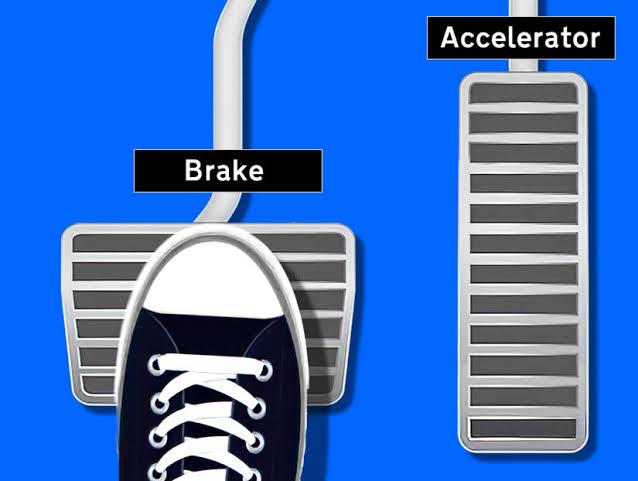
Brake failure is a serious and potentially life-threatening situation that can occur while driving.
It is a scenario that every driver hopes to never experience, but it’s important to be aware of the potential causes, signs, and actions to take in the event of brake failure.
In this article, we’ll explore the different types of brake failure, warning signs, and methods for handling this critical situation.
Imagine driving down a steep hill, enjoying the scenic beauty around you, when suddenly you realize that your brakes are not responding.
Panic sets in as you desperately try to control your vehicle, but it continues to gain speed.
This nightmare scenario is brake failure, a terrifying situation that can have catastrophic consequences on the roads.
Brakes are undoubtedly one of the most vital components of any vehicle, ensuring the safety of both the driver and other road users.
They provide the necessary stopping power to bring a moving vehicle to a halt, preventing accidents and saving lives.
However, when brakes fail, they become a nightmare in motion, putting everyone at risk.
Brake failure can occur due to various reasons, including mechanical failures, worn-out brake pads, fluid leaks, or even driver error.
The consequences can be severe, leading to tragic accidents and loss of life.
It is, therefore, essential to understand the signs of brake failure and take preventive measures to avoid such incidents.
One of the most common signs of brake failure is a spongy or soft brake pedal.
If you notice that your brake pedal feels unusually different, it could indicate a problem with your braking system.
Another alarming sign is the presence of strange noises such as grinding or squealing when you apply the brakes. These noises could point to worn-out brake pads or even a more serious issue with the braking mechanism.
Regular maintenance and inspection of your vehicle’s braking system are crucial to prevent brake failure.
It is recommended to have your brakes checked by a professional at least once a year or as per the manufacturer’s guidelines.
This will help identify any potential issues before they escalate into a hazardous situation.
Additionally, keeping an eye on the condition of your brake pads and replacing them when necessary can prevent brake failure caused by worn-out pads.
Brake failure can be attributed to various factors, including:
1. Hydraulic failure
This is often caused by a leak in the brake system, which can lead to a loss of brake fluid and subsequent loss of hydraulic pressure.
Without proper hydraulic pressure, the brakes may become unresponsive or less effective.
2. Mechanical failure
This can occur due to worn brake pads, damaged brake lines, or faulty components within the braking system.
Over time, these components can deteriorate, leading to reduced braking performance or complete failure.
Signs of potential brake failure include:
• Spongy or soft brake pedal
If the brake pedal feels soft and does not offer the usual resistance, it may indicate a loss of brake fluid or a potential hydraulic issue.
• Grinding or squealing noises
Unusual sounds while applying the brakes could be a sign of worn brake pads or other mechanical issues.
• Dashboard warning lights
Pay attention to any dashboard warning lights related to the brake system, as they can signal potential problems.
In the event of brake failure, quick thinking and decisive action can make a critical difference. Here are some steps to follow:
- Stay calm: Panic can impair decision-making. Take a deep breath and focus on the task at hand.
- Downshift and use the parking brake: If your vehicle has a manual transmission, downshifting to lower gears can help slow the vehicle. Additionally, engage the parking brake gradually to bring the vehicle to a stop.
- Look for an escape route: If possible, try to steer the vehicle towards a safe area, such as an empty parking lot or shoulder of the road, to minimize the risk of a collision.
- Warn other drivers: Use hazard lights, honk the horn, and signal your intent to other drivers to alert them of the situation.
Brake failure is a serious issue that demands immediate attention and swift action.
Regular maintenance and inspection of the braking system can help prevent potential failures.
Being knowledgeable about the warning signs and knowing how to react in the event of brake failure can save lives and prevent accidents on the road.









Five Die as Truck, Car Collide on Badagry Expressway

Two Killed as Trucks Collide, Burst Into Flames on Anambra Road

Stakeholders Raise Alarm Over Safety Gaps in Nigeria’s CNG and Electric Vehicle Transition

Female Driver Dies in Tragic Road Crash at Mongoro, Ile-Zik Area of Lagos

Physically Challenged Beggar Killed in Multi-Vehicle Crash on Lagos-Ibadan Expressway

Court Bars FRSC Officials From State Roads

24 Pupils Killed in Tragic Bus Crash During School Excursion in Uganda

Tyre Blowouts on Heavy Trucks

BYD Seal EV: Can It Challenge Traditional Sedans?

Colorado to Strengthen Driver Education Requirements

Slow Down: Man got his Family Killed by neglecting road signs

Which Bridge is the Tallest in the World?
Impatient Driving Cause Road Accident
How Roads are Constructed on the Mountain

Texas, USA suffers heavy flooding