
Car/Vehicle Maintenance
5 signs of bad Car Tyres


Roadking.ng through this article, will help you understand 5 basic things you need to know about your car tyres.
A bad tyre is as dangerous as a terminal illness. We consider you important to us and your loved ones, thus, is this article produce to guide your driving experience. They are as follows;
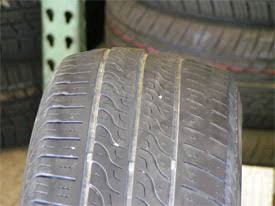
1. Uneven Tread Wear
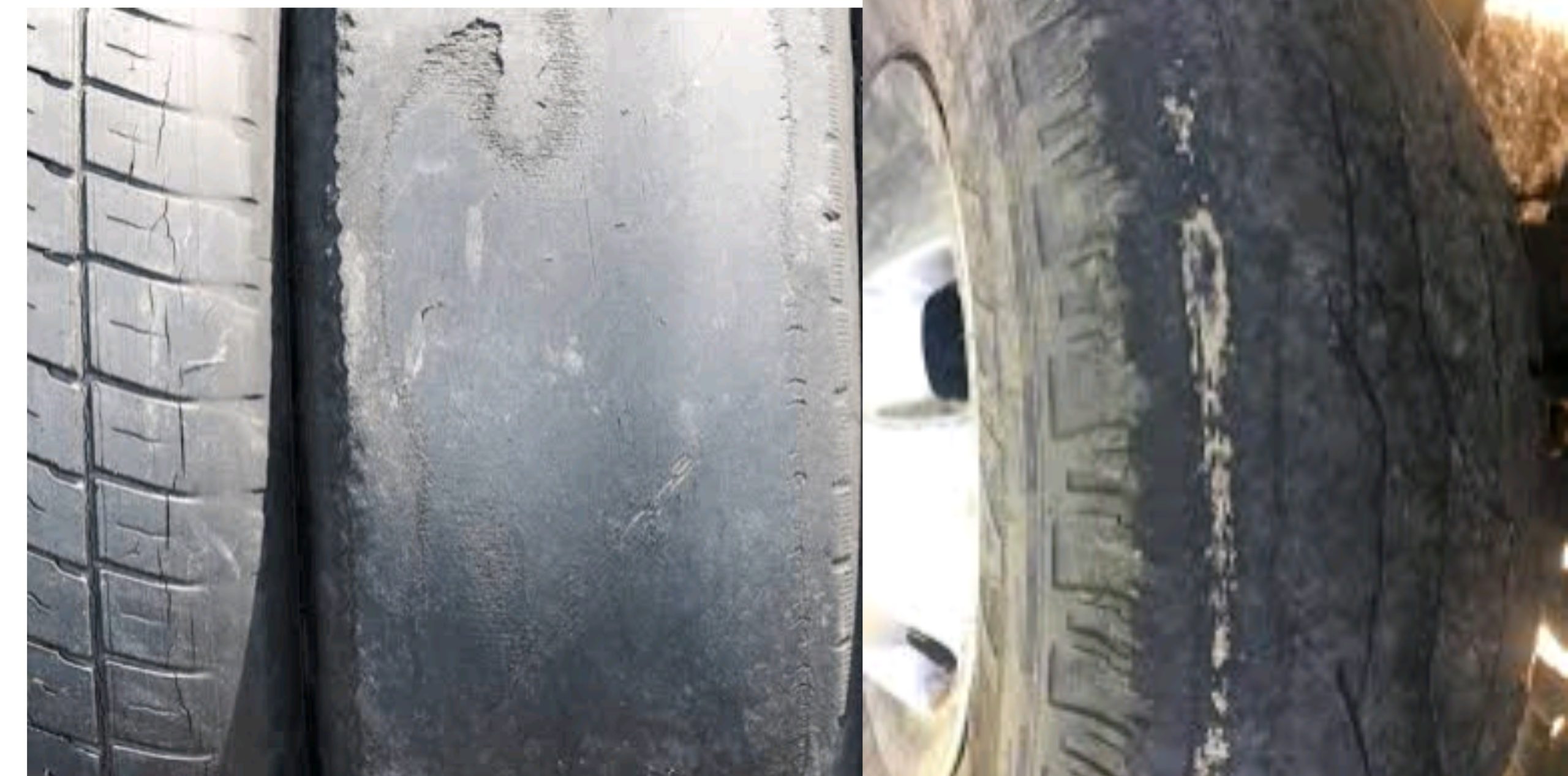
If you notice that the tread on your tyre is wearing unevenly, it could indicate poor alignment, suspension issues, or improper inflation.
Tyres that don’t worn evenly should be replaced. Uneven tread wear makes it more difficult to stop on time. This type of uneven tread wear is a sign that your vehicle needs alignment.
Replace your uneven tread tyres today! You can hit the road with peace of mind knowing your tyres won’t fail when you need them most.
2. Sidewall Cracks
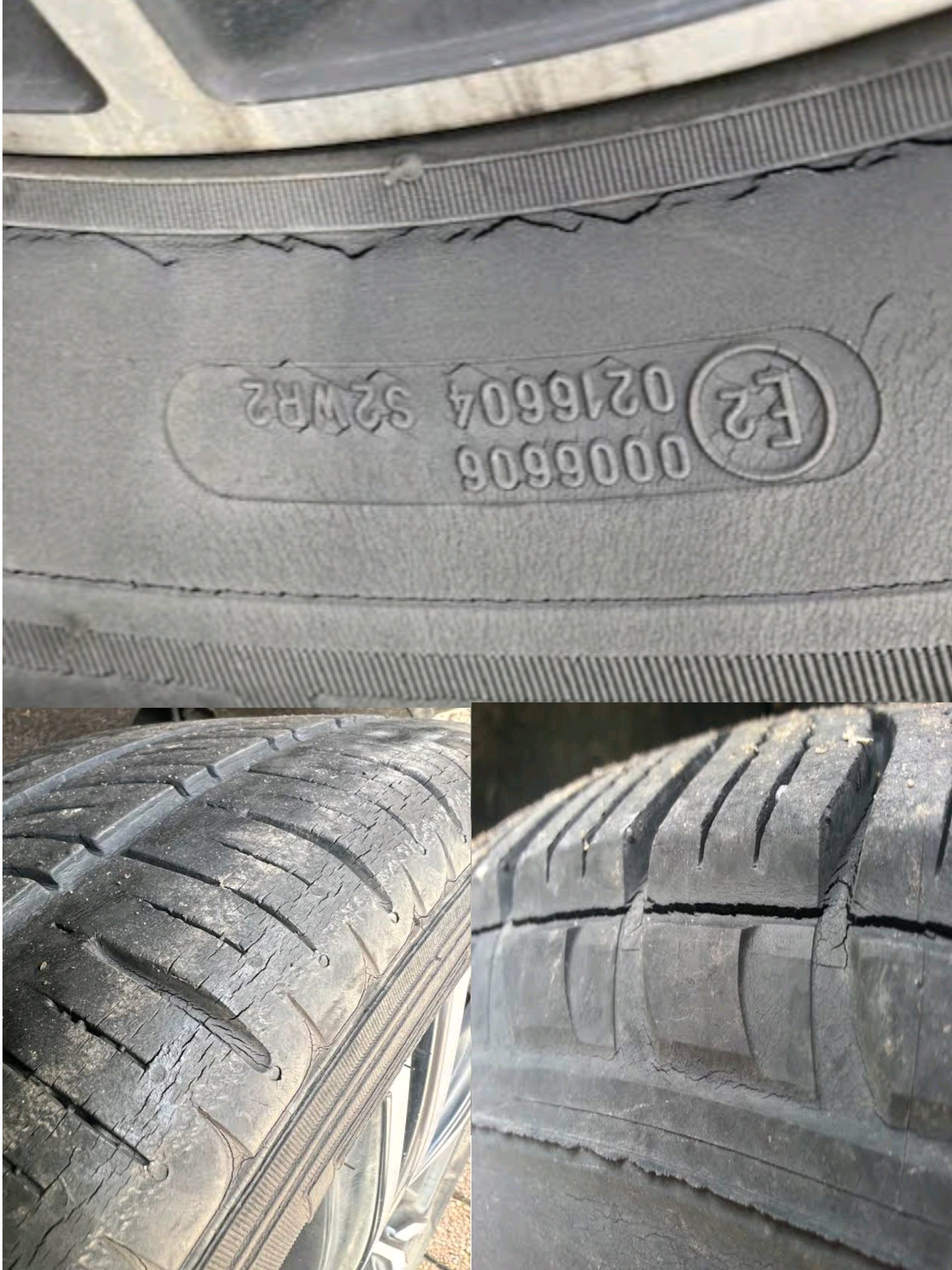
As temperatures drop, tyres become harder and can develop cracks and dents. After a few winters, the sidewalls of your tyres tend to develop cracks.
Dents often occur when air moves between the tire surface and the outer rubber. If you notice cracks or bulges in your tyres, take it to a vulcanizer for tire analysis, repair, or replacement.
Cracks on the sidewall can be a sign of aging or exposure to harsh conditions, potentially weakening the structural integrity of the tyre.
3. Bulges or Blisters
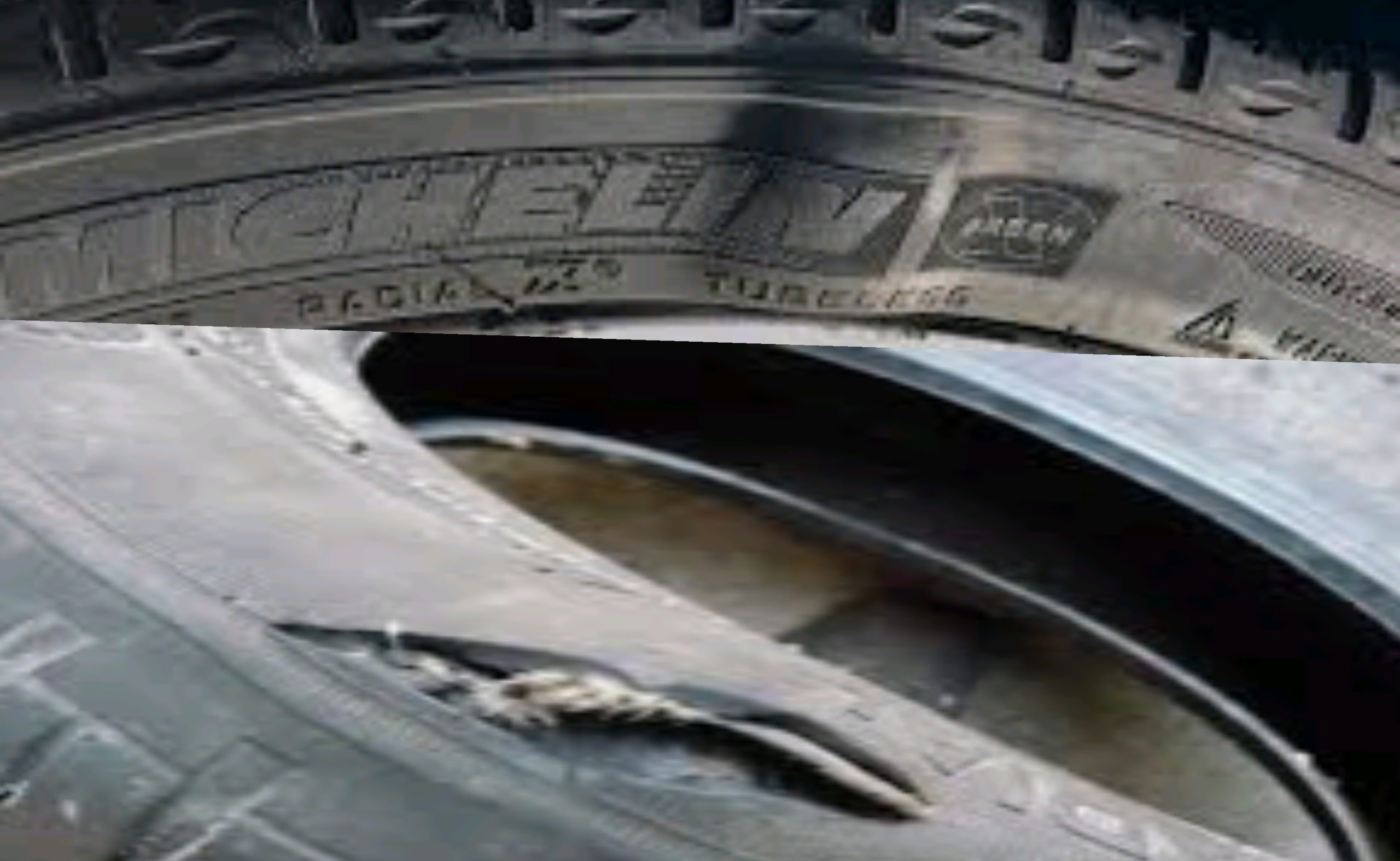
Blisters or blistered tyres are tyres that need to be replaced immediately. Blisters indicate damage to the inside of the tyre. Such blisters often occur after hitting a curb or other object.
However, you may not have to pay the full cost of new tyres after hitting a curb. Check your warranty to see if your tyres are still covered.
Bulges or blisters on the tyre surface may suggest internal damage, often caused by hitting potholes or other road hazards.
4. Low Tread Depth
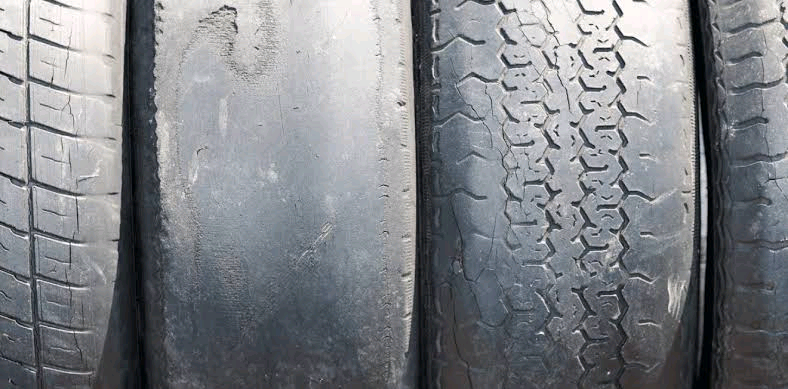
Tyre tread is the grooved rubber around the tyre that makes physical contact with the running surface. The tread provides traction by directing water away from the bottom of the tyre and is essential for safe driving.
Insufficient tread depth reduces traction and increases the risk of hydroplaning. Check your tyre tread regularly, and if it’s below the recommended depth, it’s time for replacement.
A tyre’s tread, or pattern of grooves on the tyre’s surface, helps the car maintain traction on wet roads. To ensure safe traction, the tread depth, or groove depth, must be at least 2/32 inch. As you drive, the tread on your tyres decreases. If the depth drops below his 2/32 inch, it’s time for new tyres.
Worn treads make it harder to stop quickly on wet roads, increasing the risk of hydroplaning.
5. Vibrations or Shaking
Vibration is one of the most common symptoms of bad tyres. Vibrations that occur at high frequencies and are uncomfortable for you and your passengers may indicate tyre damage, suspension problems, or misalignment.
Detect if there is a problem with your car’s tires. Experiencing unusual vibrations or shaking while driving could be a sign of tyre imbalance, misalignment, or other issues that need attention.
If you notice any of these signs, it’s advisable to have your tires inspected or replaced to ensure safety on the road.
FAQ
1. How to know if my can tyre is shaking?
When the tyre of a car is shaking, it will automatically affect the steering wheels as the car will be swinging to various direction. Replace the tyre.
2. What must I do if my car Tyre has a blister?
A tyre with blist can explode at anytime, especially when the car is on motion. If you notice a blister on your tyre, it’s time to get another tyre.
3. What should I do if my tyre is wearing out one side?
The sides of a tyre begins to wear out when the car has gone out of alignment. Take the car for alignment and possibly swap the tyres.



Five Die as Truck, Car Collide on Badagry Expressway

Two Killed as Trucks Collide, Burst Into Flames on Anambra Road

Stakeholders Raise Alarm Over Safety Gaps in Nigeria’s CNG and Electric Vehicle Transition

Female Driver Dies in Tragic Road Crash at Mongoro, Ile-Zik Area of Lagos

Physically Challenged Beggar Killed in Multi-Vehicle Crash on Lagos-Ibadan Expressway

Court Bars FRSC Officials From State Roads

24 Pupils Killed in Tragic Bus Crash During School Excursion in Uganda

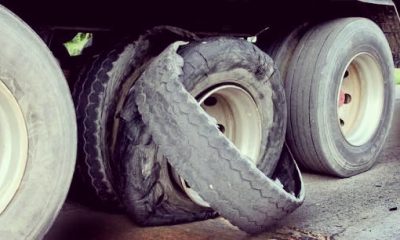
Tyre Blowouts on Heavy Trucks

BYD Seal EV: Can It Challenge Traditional Sedans?

Colorado to Strengthen Driver Education Requirements

Slow Down: Man got his Family Killed by neglecting road signs

Which Bridge is the Tallest in the World?
Impatient Driving Cause Road Accident
How Roads are Constructed on the Mountain

Texas, USA suffers heavy flooding