
News Update
Stakeholders Raise Alarm Over Safety Gaps in Nigeria’s CNG and Electric Vehicle Transition

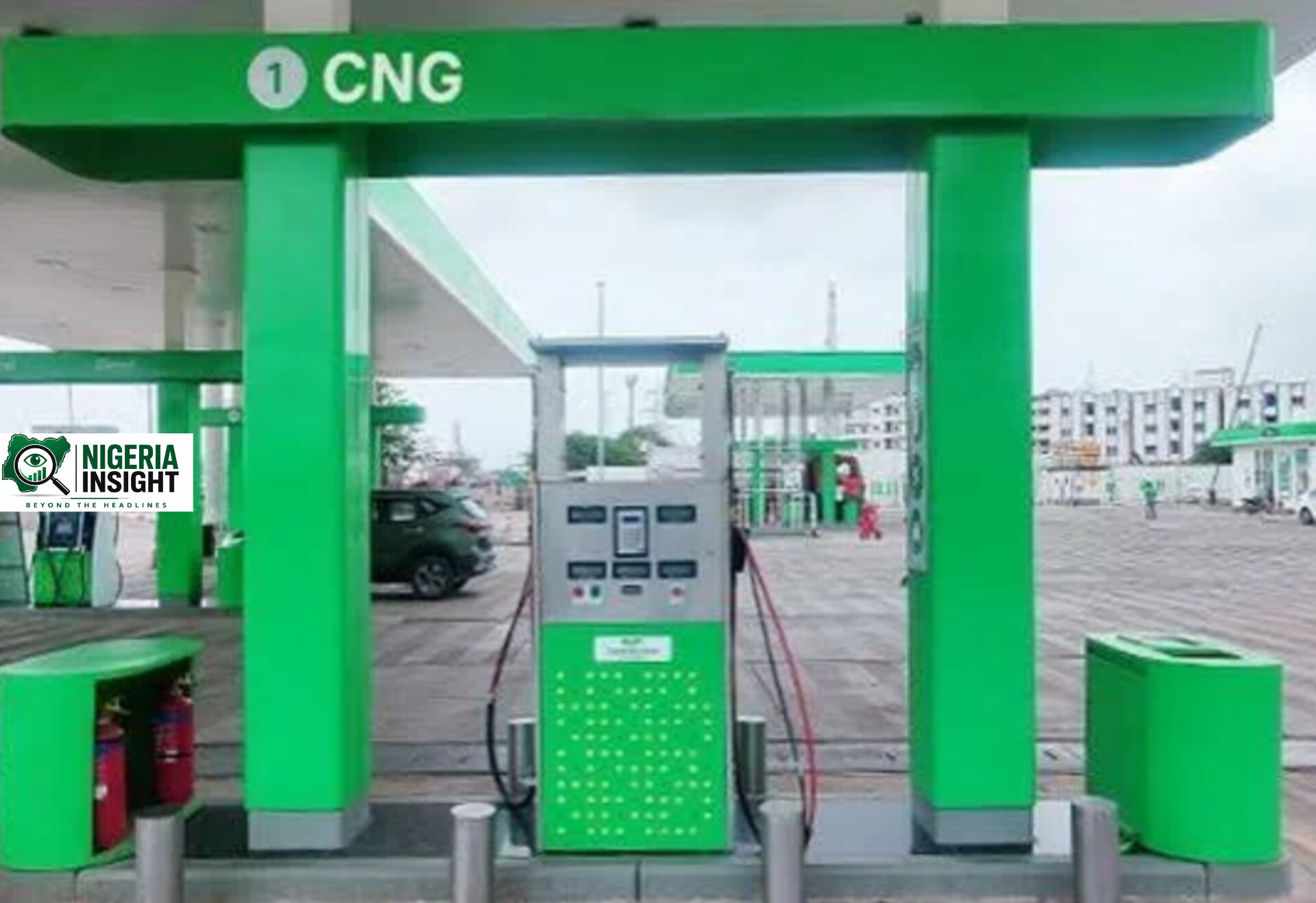
Key stakeholders in Nigeria’s automotive industry have expressed concern over critical safety gaps that could hinder the country’s transition to Compressed Natural Gas (CNG) and Electric Vehicles (EVs).
They warned that weak regulation, inadequate testing facilities, uncertified products, and poor public awareness pose significant risks to the Federal Government’s clean mobility agenda.
The concerns were raised during the 3rd Nigeria Auto Industry Summit, organised by the Nigeria Auto Journalists Association (NAJA) in collaboration with the National Automotive Design and Development Council in Lagos.
Industry experts emphasized that while CNG and EV technologies are globally recognised as safe and environmentally friendly, their success in Nigeria will depend on strict compliance with safety standards and effective regulatory oversight.
SON Warns Against Fake Products and Unsafe Installations
Speaking at the summit, the Director-General of the Standards Organisation of Nigeria, represented by Mr. Ifeanyi Omoniyi, warned that the growing presence of uncertified CNG cylinders, fake conversion kits, and unqualified installers could undermine public confidence in alternative fuel vehicles.
According to him, CNG and EV technologies are inherently safe when they are properly designed, manufactured, installed, and maintained in line with recognised national and international standards.
“They become dangerous when uncertified products and poor installation practices are allowed into the market. The integrity of the entire system depends on compliance with established standards,” he said.
Omoniyi cited the explosion of a CNG-powered Audi 80 at a filling station along the Benin-Auchi Expressway in Edo State, noting that investigations linked the incident to the use of an uncertified cylinder and failure to comply with the Nigerian Gas Vehicle Installation Standard (NNG 1214:2024).
Illegal Conversion Centres Raise Safety Concerns
The SON official identified the rapid proliferation of informal vehicle conversion centres as one of the biggest threats to Nigeria’s clean transportation programme.
He explained that the influx of grey-market CNG cylinders and conversion kits has outpaced regulatory inspection and enforcement, increasing the likelihood of unsafe vehicle conversions.
He also observed that standards for electric vehicles in Nigeria are still evolving, particularly in areas such as:
- High-voltage battery safety.
- Charging system compatibility.
- Battery recycling.
- Second-life battery applications.
According to him, Nigeria must invest in modern testing laboratories and develop highly skilled technical personnel capable of evaluating high-pressure CNG cylinders and EV battery systems.
FRSC Developing New Safety Guidelines for EVs and CNG Vehicles
Also speaking at the summit, the Corps Marshal of the Federal Road Safety Corps, Shehu Mohammed, disclosed that the agency is developing comprehensive Standard Operating Procedures (SOPs) for the deployment and regulation of electric vehicles and CNG-powered vehicles across the country.
He said the framework is designed to ensure Nigeria’s transition to cleaner transportation aligns with international road safety and operational standards.
According to Mohammed:
“As cleaner mobility gains momentum, regulatory institutions must evolve alongside emerging technologies.”
He added that the FRSC is strengthening stakeholder engagement and updating safety regulations to support the nationwide adoption of alternative fuel vehicles.
The Corps Marshal stressed that cleaner mobility should not only reduce carbon emissions but also improve vehicle safety, strengthen regulatory compliance, and build public confidence in emerging automotive technologies.
Experts Call for Stronger Regulation
Stakeholders at the summit agreed that Nigeria’s clean mobility ambitions can only succeed if supported by:
- Strict enforcement of vehicle safety standards.
- Elimination of counterfeit CNG and EV components.
- Licensing and monitoring of conversion centres.
- Public awareness campaigns on safe vehicle conversion.
- Continuous investment in testing facilities and technical expertise.
They warned that a series of avoidable safety incidents could discourage investors and slow the country’s transition to cleaner and more sustainable transportation.
RoadKing.ng Safety Insight
Nigeria’s transition to CNG and electric vehicles represents a major opportunity to reduce fuel costs, improve energy security, and lower emissions. However, safety must remain the foundation of that transition.
Vehicle owners should only convert their vehicles at accredited centres using certified components installed by qualified technicians.
Likewise, government agencies must continue strengthening inspection, certification, and enforcement to protect road users and sustain public confidence in clean mobility.
As the country embraces new automotive technologies, ensuring that innovation is matched by rigorous safety standards will be critical to preventing avoidable crashes, fires, and equipment failures.






Five Die as Truck, Car Collide on Badagry Expressway

Two Killed as Trucks Collide, Burst Into Flames on Anambra Road

Stakeholders Raise Alarm Over Safety Gaps in Nigeria’s CNG and Electric Vehicle Transition

Female Driver Dies in Tragic Road Crash at Mongoro, Ile-Zik Area of Lagos

Physically Challenged Beggar Killed in Multi-Vehicle Crash on Lagos-Ibadan Expressway

Court Bars FRSC Officials From State Roads

24 Pupils Killed in Tragic Bus Crash During School Excursion in Uganda

Tyre Blowouts on Heavy Trucks

BYD Seal EV: Can It Challenge Traditional Sedans?

Colorado to Strengthen Driver Education Requirements

Slow Down: Man got his Family Killed by neglecting road signs

Which Bridge is the Tallest in the World?
Impatient Driving Cause Road Accident
How Roads are Constructed on the Mountain

Texas, USA suffers heavy flooding