
News Update
Truck Breakdown Causes Hours-Long Gridlock on Busy Interstate Highway


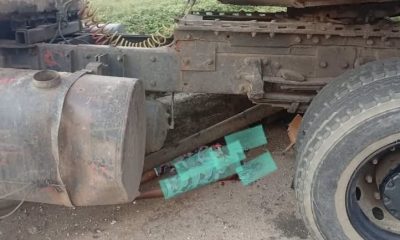
A disabled heavy-duty truck brought traffic to a standstill for several hours on a busy interstate highway, causing significant delays for thousands of commuters and freight operators.
According to traffic authorities, the truck suffered a mechanical failure during peak travel hours, leaving it stranded across one of the highway lanes. The incident quickly triggered a massive traffic backup stretching several kilometres as emergency responders and towing crews worked to clear the obstruction.
Motorists experienced prolonged delays, with many forced to remain in slow-moving traffic while officials diverted vehicles through alternative routes where possible. Authorities urged drivers to remain patient and obey traffic management personnel throughout the recovery operation.
Road maintenance and emergency response teams eventually removed the disabled truck, allowing normal traffic flow to resume after several hours.
Officials confirmed that no injuries were reported, although the disruption affected commuters, commercial transport operators, and logistics businesses relying on the route.
Transportation experts say incidents involving broken-down heavy vehicles can have far-reaching economic consequences, including delayed deliveries, increased fuel consumption, and lost productivity. They stressed the importance of preventive vehicle maintenance, especially for long-haul trucks operating on major highways.
The incident also serves as a reminder for commercial fleet operators to conduct regular inspections of critical components such as brakes, tyres, engines, and transmission systems before embarking on long-distance journeys.
Road safety authorities further advised motorists approaching a disabled vehicle to:
- Reduce speed
- Maintain a safe following distance
- Comply with traffic signs
These are to prevent secondary crashes, which often occur around congested accident or breakdown scenes.
As traffic volumes continue to increase on major highways, experts are calling for stronger roadside assistance networks, faster incident response, and improved monitoring systems to minimise the impact of vehicle breakdowns on road users.
Road Safety Tips for Drivers
- Carry out routine vehicle maintenance before long trips.
- Watch for warning signs such as overheating, unusual engine noises, or brake problems.
- If your vehicle breaks down, move to the shoulder if it is safe to do so.
- Turn on hazard lights immediately and place reflective warning triangles behind the vehicle.
- Contact emergency roadside assistance promptly and remain in a safe location away from moving traffic.
Conclusion
While no lives were lost in this incident, the hours-long gridlock demonstrates how a single vehicle breakdown can severely disrupt transportation networks. Regular maintenance, timely emergency response, and responsible driving remain essential to keeping highways safe and traffic flowing efficiently.






Five Die as Truck, Car Collide on Badagry Expressway

Two Killed as Trucks Collide, Burst Into Flames on Anambra Road

Stakeholders Raise Alarm Over Safety Gaps in Nigeria’s CNG and Electric Vehicle Transition

Female Driver Dies in Tragic Road Crash at Mongoro, Ile-Zik Area of Lagos

Physically Challenged Beggar Killed in Multi-Vehicle Crash on Lagos-Ibadan Expressway

Court Bars FRSC Officials From State Roads

24 Pupils Killed in Tragic Bus Crash During School Excursion in Uganda

Tyre Blowouts on Heavy Trucks

BYD Seal EV: Can It Challenge Traditional Sedans?

Colorado to Strengthen Driver Education Requirements

Slow Down: Man got his Family Killed by neglecting road signs

Which Bridge is the Tallest in the World?
Impatient Driving Cause Road Accident
How Roads are Constructed on the Mountain

Texas, USA suffers heavy flooding