
Articles
Why Your Car Consumes Too Much Fuel and How to Fix It

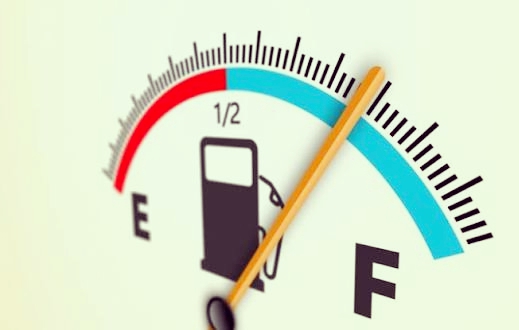
With the cost of petrol remaining a major concern for Nigerian motorists, getting the most out of every litre of fuel has become more important than ever.
While many drivers blame rising fuel prices alone, excessive fuel consumption is often a sign that something is wrong with the vehicle or the way it is being driven.
Understanding what causes poor fuel economy can help drivers reduce expenses, improve vehicle performance, and extend engine life.
Common Reasons Your Car Consumes Too Much Fuel
1. Poor Driving Habits
Aggressive acceleration, speeding, and frequent hard braking force the engine to burn more fuel than necessary. Smooth acceleration and maintaining a steady speed can significantly improve fuel efficiency.
2. Underinflated Tyres
Tyres with low air pressure create greater rolling resistance, making the engine work harder. Checking tyre pressure regularly helps improve fuel economy and enhances road safety.
3. Dirty Air Filter
A clogged air filter restricts airflow into the engine, leading to incomplete fuel combustion and increased fuel consumption. Replacing a dirty air filter is a simple and affordable maintenance task.
4. Worn-Out Spark Plugs
Faulty spark plugs can cause engine misfires, reducing combustion efficiency and increasing fuel usage.
Manufacturers recommend replacing spark plugs at specified service intervals.
5. Poor Wheel Alignment
Misaligned wheels increase rolling resistance and tyre wear, forcing the engine to consume more fuel. Regular wheel alignment checks help improve efficiency and driving comfort.
6. Excessive Vehicle Weight
Carrying unnecessary loads or leaving heavy items in the boot increases fuel consumption. Removing excess weight can improve mileage, especially during city driving.
7. Engine Problems
- Faulty oxygen sensors
- Clogged fuel injectors
- Damaged sensors or
- Engine management issues
All these can cause the engine to inject more fuel than necessary.
Professional diagnosis is recommended when fuel consumption suddenly increases.
8. Poor Quality Fuel
Using contaminated or substandard fuel may reduce engine efficiency and increase fuel usage. Drivers should purchase fuel from reputable filling stations.
Practical Ways to Reduce Fuel Consumption
- Service your vehicle according to the manufacturer’s schedule.
- Maintain the correct tyre pressure.
- Drive smoothly and avoid unnecessary speeding.
- Avoid prolonged engine idling.
Remove unnecessary weight from the vehicle. - Replace worn engine components promptly.
- Plan trips to avoid heavy traffic where possible.
- Use quality engine oil recommended for your vehicle.
Why Fuel Efficiency Matters
Improving fuel economy is not only about saving money. A well-maintained vehicle produces fewer emissions, performs better, and is generally safer to drive. Small maintenance habits can make a noticeable difference in both operating costs and long-term vehicle reliability.
RoadKing Safety Advice
At RoadKing, we encourage every motorist to treat rising fuel consumption as an early warning sign rather than a normal occurrence.
Regular vehicle inspections, responsible driving habits, and preventive maintenance can save thousands of naira in fuel costs while reducing the risk of unexpected mechanical failures on the road.






Five Die as Truck, Car Collide on Badagry Expressway

Two Killed as Trucks Collide, Burst Into Flames on Anambra Road

Stakeholders Raise Alarm Over Safety Gaps in Nigeria’s CNG and Electric Vehicle Transition

Female Driver Dies in Tragic Road Crash at Mongoro, Ile-Zik Area of Lagos

Physically Challenged Beggar Killed in Multi-Vehicle Crash on Lagos-Ibadan Expressway

Court Bars FRSC Officials From State Roads

24 Pupils Killed in Tragic Bus Crash During School Excursion in Uganda

Tyre Blowouts on Heavy Trucks

BYD Seal EV: Can It Challenge Traditional Sedans?

Colorado to Strengthen Driver Education Requirements

Slow Down: Man got his Family Killed by neglecting road signs

Which Bridge is the Tallest in the World?
Impatient Driving Cause Road Accident
How Roads are Constructed on the Mountain

Texas, USA suffers heavy flooding