
Petrol Price Update
Motorists Feel the Pinch as Fuel Prices Shift Again

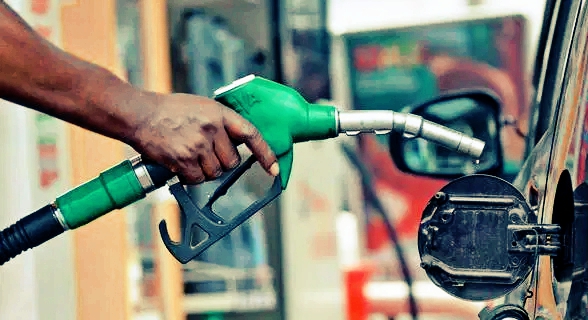
Nigerian motorists are once again adjusting their budgets following another round of changes in petrol prices across several filling stations nationwide, further increasing the cost of transportation and vehicle operation.
The latest price adjustments have sparked concerns among private vehicle owners, commercial drivers, logistics operators, and commuters, many of whom are already grappling with rising living expenses.
In major cities including Lagos, Abuja, Port Harcourt, Kano, and Enugu, pump prices have shown noticeable variations depending on fuel marketers and supply conditions.
Commercial transport operators have also begun reviewing transport fares to offset the rising cost of fuel, a move likely to affect millions of commuters.
Transport Operators React
Commercial drivers say the continued fluctuation in fuel prices is making it increasingly difficult to maintain stable transport fares.
Many operators explained that beyond fuel costs, vehicle maintenance expenses including engine oil, tyres, spare parts, and servicing have also increased, placing additional financial pressure on transport businesses.
Logistics companies are equally expected to adjust delivery charges, a development that could contribute to higher prices of goods and services across the country.
Impact on Motorists
For private motorists, higher fuel prices mean increased daily commuting expenses and greater pressure on household budgets.
Road safety experts also warn that some drivers may postpone essential vehicle maintenance to save money, potentially increasing the risk of mechanical failures on Nigerian roads.
Road users are encouraged to:
- Drive smoothly to improve fuel efficiency.
- Maintain correct tyre pressure.
- Avoid excessive idling.
- Service vehicles according to manufacturer recommendations.
- Plan journeys efficiently to reduce unnecessary fuel consumption.
Economic Outlook
Analysts note that fluctuations in petrol prices are influenced by several factors, including:
- International crude oil prices
- Exchange rate movements
- Import costs
- Domestic supply dynamics
- Continued volatility.
These could have broader implications for inflation and economic activity if not effectively managed.
Road Safety Perspective
RoadKing reminds motorists that while rising fuel prices may encourage cost-cutting measures, vehicle safety should never be compromised.
Delaying critical maintenance such as brake servicing, tyre replacement, or engine inspections can significantly increase crash risks.
Safe driving and proper vehicle maintenance remain essential regardless of fuel price movements.
Conclusion
As Nigerians continue to navigate changing fuel prices, motorists and transport operators alike are being urged to adopt fuel-efficient driving habits, maintain their vehicles properly, and plan journeys wisely.
The evolving fuel market highlights the need for long-term policies that improve energy security, transportation efficiency, and road safety.






Five Die as Truck, Car Collide on Badagry Expressway

Two Killed as Trucks Collide, Burst Into Flames on Anambra Road

Stakeholders Raise Alarm Over Safety Gaps in Nigeria’s CNG and Electric Vehicle Transition

Female Driver Dies in Tragic Road Crash at Mongoro, Ile-Zik Area of Lagos

Physically Challenged Beggar Killed in Multi-Vehicle Crash on Lagos-Ibadan Expressway

Court Bars FRSC Officials From State Roads

24 Pupils Killed in Tragic Bus Crash During School Excursion in Uganda

Tyre Blowouts on Heavy Trucks

BYD Seal EV: Can It Challenge Traditional Sedans?

Colorado to Strengthen Driver Education Requirements
Two Killed as Trucks Collide, Burst Into Flames on Anambra Road
Five Die as Truck, Car Collide on Badagry Expressway

Slow Down: Man got his Family Killed by neglecting road signs

Which Bridge is the Tallest in the World?
Impatient Driving Cause Road Accident
How Roads are Constructed on the Mountain

Texas, USA suffers heavy flooding