
Update on Road Construction
Lagos-Calabar Coastal Highway: Nigeria’s Boldest Road Project in History

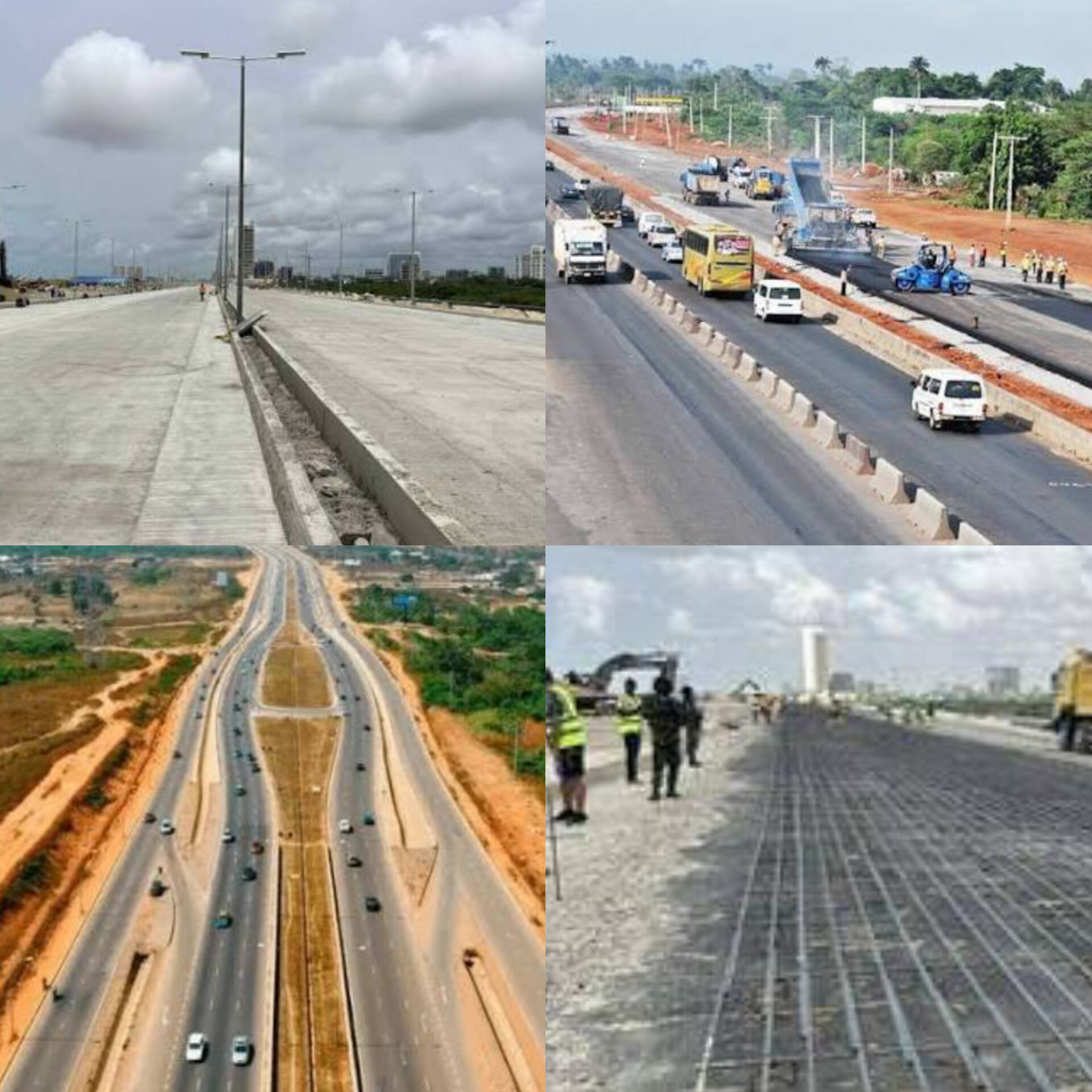
In March 2024, the Federal Government of Nigeria broke ground on what it proudly described as “the most ambitious road project in West Africa’s history”: the Lagos-Calabar Coastal Highway.
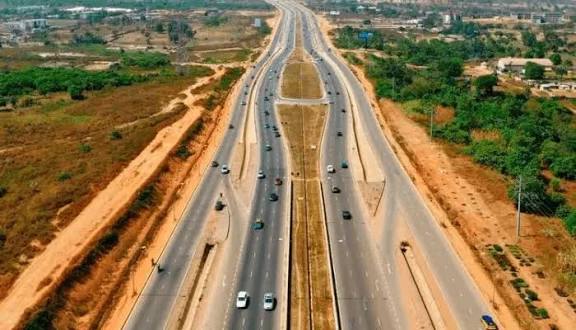
Also Read: FG assess properties along N1.06trillion coastal road project
Spanning approximately 700 kilometers across nine states and costing an estimated ₦15 trillion (about $11 billion), this mega-highway is designed to stretch from Nigeria’s commercial capital, Lagos, to the historic port city of Calabar in Cross River State.
At face value, this project looks like a ribbon of hope. If completed, the Lagos-Calabar Coastal Highway could reshape Nigeria’s transport map, unlock dormant economies, boost tourism along the Atlantic shoreline, and stitch together communities that have long suffered from isolation and neglect.
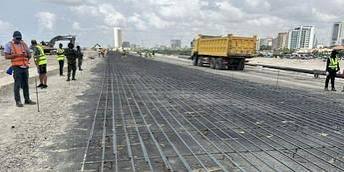
But as with every mega-project in Nigeria, the dreams sit side-by-side with doubts. Can Nigeria pull this off? Or will it be another highway where politics overshadows concrete reality?
The Big Picture: Why This Highway Matters
Highways are more than just roads; they are lifelines of economies. For Nigeria, a country with weak logistics systems, overstretched ports, and a growing population of more than 220 million, transport corridors are crucial.
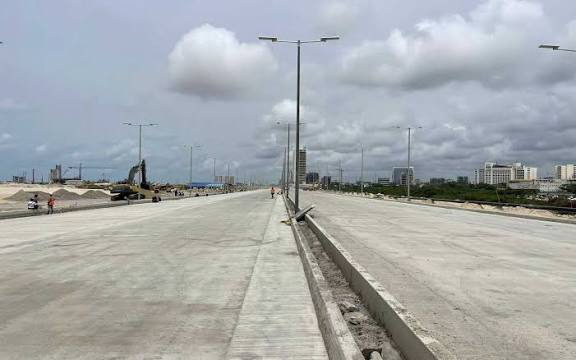
The Lagos-Calabar Coastal Highway is envisioned to serve multiple purposes:
- Economic Lifeline:
- The nine coastal states, Lagos, Ogun, Ondo, Edo, Delta, Bayelsa, Rivers, Akwa Ibom, and Cross River are not only culturally diverse but also economically strategic.
- They host oil and gas reserves, seaports, agriculture belts, and growing industrial zones. A modern highway could cut haulage costs, improve supply chains, and attract investments.
- Tourism Corridor:
- From Lagos beaches to Tinapa in Calabar, Nigeria’s coastline holds untapped tourism gold. Accessibility via a fast, scenic expressway could open resorts, hotels, and entertainment hubs.
- Regional Integration:
- The road is not only about connecting Lagos to Calabar. It’s about linking communities along the coast to each other and to international trade. Nigeria’s ECOWAS neighbours could benefit, turning the highway into a continental connector.
- National Unity Symbol:
- Beyond economics, roads carry symbolic weight. For many Nigerians, the Lagos–Calabar highway is a dream that proves the government can think big and act boldly.
The Design and Scope: What We Know So Far
The Federal Ministry of Works describes the Lagos-Calabar Coastal Highway as a dual carriageway project that will span 700 km across nine states. Key features include:
- Section One (Pilot Phase):
- A 47.47 km stretch from Ahmadu Bello Way in Victoria Island, Lagos to Eleko Village along the Lekki–Ajah corridor.
- This section is already under construction, with concrete pavement technology being used for durability.
- Lane Structure:
- Initially pitched as a 10-lane superhighway, sections have since been reduced to 6 lanes following rerouting and cost considerations.
- Funding:
- A mix of government allocations, loans, and private sector involvement. In July 2025, Nigeria secured a $747 million syndicated loan led by Deutsche Bank to support the first phase.
- Timeline:
- Section One was first scheduled for completion by May 2025 but has since been shifted to January 2026.
Voices from the Ground: Hopes and Concerns
Optimism
For traders in Lagos’s Lekki corridor, the project is a breath of fresh air. “If they finish this road, moving goods from Lekki Port will be faster. Right now, trucks spend days just trying to leave Lagos,” says Chike Ude, a logistics operator.
Similarly, in Calabar, hotel owners are excited. “Imagine tourists driving in comfort from Lagos to Calabar for the Carnival. It would be a new dawn for us,” remarks Gloria Effiong, who runs a mid-size hotel in the city.
Concerns
But not everyone is celebrating. Property owners along the corridor, especially in Lagos, have seen demolitions of buildings to make way for the highway. While the Federal Government claims to have paid billions in compensation, some residents argue they were shortchanged or not compensated at all.
Civil rights activist Inibehe Effiong questioned the transparency of contracts: “How can a project of this scale be awarded without open competitive bidding? Nigerians deserve clarity.”
The Global Lens: Learning from Other Mega Highways
To understand the scale of the Lagos-Calabar Coastal Highway, it helps to compare it with global peers:
- China’s G30 Expressway: Stretches over 4,200 km, linking Lianyungang to Kazakhstan, and cost billions but transformed trade routes.
- India’s Golden Quadrilateral: A 5,846 km network connecting major cities, credited with sparking India’s logistics boom.
- South Africa’s N1 Highway: Runs 1,940 km from Cape Town to the Zimbabwe border, a backbone for Southern Africa’s economy.
For Nigeria, the 700 km Lagos-Calabar project sits modestly among these but carries similar transformational potential, if managed well.
Government’s Defense: Not a Scam, Not a Waste
Amid criticisms, the Federal Government has stood its ground. Minister of Works David Umahi insists the project is neither a scam nor a waste. He argues that:
- Construction is proceeding in phases.
- Due process is followed.
- Compensation is being paid.
- The project aligns with President Bola Ahmed Tinubu’s “Renewed Hope Agenda”.
Umahi even went as far as to invite skeptics to inspect progress on site, urging Nigerians to focus on the long-term benefits rather than short-term inconveniences.
What Completion Could Mean for Nigeria
If the Lagos-Calabar Coastal Highway reaches completion, its impact could be monumental:
- Reduced Travel Time: Driving from Lagos to Calabar could take less than 8 hours, compared to the current 15+ hours via existing routes.
- Lower Cost of Goods: Faster haulage = reduced fuel consumption = cheaper goods in markets.
- Boost to Tourism: Resorts, hotels, and attractions along the coast could see a surge in visitors.
- Job Creation: Construction alone is employing thousands, with more expected in hospitality, logistics, and trade sectors.
- Regional Trade Integration: The corridor could become part of Africa’s wider trade backbone under the AfCFTA (African Continental Free Trade Area).
Road Ahead: Questions That Still Linger
Despite the optimism, many questions remain unanswered:
- Will Nigeria meet deadlines, or will the project drag for decades?
- How affordable will tolls be for ordinary Nigerians?
- Can transparency be guaranteed in financing and execution?
- Will the quality of construction hold up to the harsh coastal climate?
Conclusion: A Dream on the Horizon
The Lagos-Calabar Coastal Highway is more than asphalt and concrete. It is a statement of intent: that Nigeria can think boldly, dream of world-class infrastructure, and attempt to execute it.
Yes, there are controversies, cost concerns, and execution challenges. But if the project is completed and maintained, it could stand as a legacy of transformation, proof that Nigeria, too, can build highways that don’t just connect cities but also connect futures.
For now, Nigerians wait and watch, hoping the promise of smooth drives and connected communities will one day replace the reality of potholes and endless traffic jams.

Five Die as Truck, Car Collide on Badagry Expressway

Two Killed as Trucks Collide, Burst Into Flames on Anambra Road

Stakeholders Raise Alarm Over Safety Gaps in Nigeria’s CNG and Electric Vehicle Transition

Female Driver Dies in Tragic Road Crash at Mongoro, Ile-Zik Area of Lagos

Physically Challenged Beggar Killed in Multi-Vehicle Crash on Lagos-Ibadan Expressway

Court Bars FRSC Officials From State Roads

24 Pupils Killed in Tragic Bus Crash During School Excursion in Uganda

Tyre Blowouts on Heavy Trucks

BYD Seal EV: Can It Challenge Traditional Sedans?

Colorado to Strengthen Driver Education Requirements

Slow Down: Man got his Family Killed by neglecting road signs

Which Bridge is the Tallest in the World?
Impatient Driving Cause Road Accident
How Roads are Constructed on the Mountain

Texas, USA suffers heavy flooding