
Crash News
How Bad Fuel Can Affect Good Engine

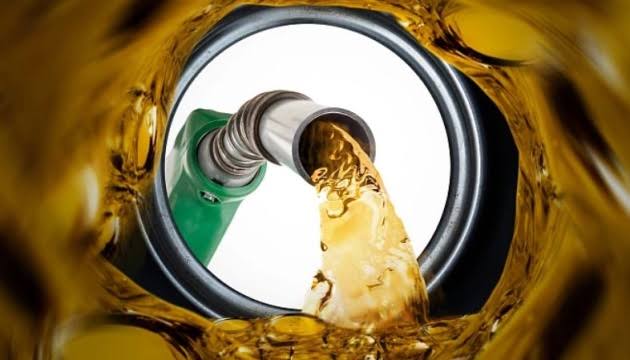
Fuel quality plays a critical role in engine performance, efficiency, and longevity. Contaminated or substandard fuel can cause significant problems for an otherwise well-maintained engine.
From clogged fuel injectors to complete engine failure, bad fuel can lead to costly repairs and reduced vehicle lifespan. This article explores the impact of poor-quality fuel on an engine and how to prevent related issues.
1. Contaminated Fuel and Its Sources
Bad fuel can contain various contaminants, including water, dirt, and chemical impurities. Common sources of contaminated fuel include:
- Water Contamination: Fuel tanks can accumulate moisture, leading to water contamination. This can cause misfiring, poor combustion, and rust inside the fuel system.
- Dirt and Debris: If fuel is stored in unclean containers or transported improperly, it can carry dirt particles that clog filters and fuel injectors.
- Low-Quality Additives: Some fuel providers use cheap or excessive additives that can damage engine components.
- Ethanol Overuse: High ethanol content in fuel can cause corrosion and reduced fuel efficiency, especially in engines not designed to handle it.
2. Effects of Bad Fuel on Engine Performance
Using contaminated or substandard fuel can result in a variety of issues, including:
A. Clogged Fuel Injectors
Fuel injectors play a crucial role in delivering the correct amount of fuel to the engine’s combustion chamber. Bad fuel can cause deposits to build up, leading to:
- Poor fuel atomization
- Reduced engine power
- Rough idling and misfires
Regularly using high-quality fuel and injector cleaners can help prevent clogging.
B. Poor Combustion and Engine Knocking
Bad fuel can have an improper octane rating, leading to engine knocking or pre-ignition. This occurs when fuel ignites too early in the combustion process, potentially damaging pistons and valves. Signs of poor combustion include:
- Reduced fuel efficiency
- Unusual engine noises
- Increased emissions
Using fuel with the recommended octane rating for your vehicle prevents these problems.
C. Fuel Pump Damage
The fuel pump is responsible for delivering fuel from the tank to the engine. Contaminated fuel can:
- Clog the pump’s filters
- Reduce fuel pressure
- Cause overheating and premature failure
Replacing a fuel pump is expensive, so using clean, high-quality fuel is crucial.
D. Increased Carbon Deposits
Substandard fuel often leaves excessive carbon deposits on engine components, leading to:
- Reduced airflow
- Poor engine performance
- Higher maintenance costs
Regular engine cleaning and fuel system treatments can mitigate these effects.
3. Long-Term Engine Damage
If bad fuel is used consistently, it can lead to severe damage, including:
- Corrosion of Engine Components: Water and ethanol in contaminated fuel can lead to rust inside the fuel system.
- Damaged Oxygen Sensors: Poor fuel quality can foul the oxygen sensors, leading to inaccurate air-fuel mixture readings and reduced efficiency.
- Catalytic Converter Failure: Contaminants in fuel can clog the catalytic converter, leading to expensive repairs and emission problems.
4. How to Prevent Fuel-Related Engine Damage
To protect your engine from the harmful effects of bad fuel, consider the following preventive measures:
- Use Trusted Fuel Stations: Purchase fuel from reputable stations that maintain high-quality storage and supply standards.
- Check Fuel Quality: Be cautious of fuel that appears cloudy, has a strange odor, or contains visible particles.
- Use Fuel Additives: High-quality fuel additives can help clean injectors and remove water contamination.
- Regular Maintenance: Change fuel filters regularly and have your fuel system inspected to catch early signs of contamination.
- Avoid Storing Fuel for Long Periods: If a vehicle is left unused for an extended time, old fuel can degrade and cause engine issues.
Using bad fuel can severely impact an engine’s performance, efficiency, and lifespan. Contaminants, poor-quality additives, and low-grade fuel can lead to injector clogs, fuel pump failure, engine knocking, and long-term corrosion. To prevent these issues, always use high-quality fuel from trusted sources, perform regular maintenance, and use proper additives when necessary. By taking these precautions, you can protect your engine and ensure optimal performance for years to come.

Four Injured as Commercial Bus Plunges Into Ditch in Ojodu

Driver Injured After Crashing Into Trees on Hwy 59 Near FM 1314 in Texas

Truck Kills Minor, Two Others in Ogun Expressway Crash Near Abeokuta
11 Killed in Kalyan–Murbad Highway Crash as Taxi Collides with Cement Truck

Fuel Tanker Driver Caught Siphoning Fuel Near Bangui Airport

Major Crash Causes Traffic Gridlock on I-37 San Antonio

Bus Driver Killed, 9 Injured in Highway Crash in Tamil Nadu, India
3 Teenagers Killed in Florida Crash After Vehicle Veers Off Road

Driver Pinned Under Overturned Vehicle in Bunnlevel Crash

Four Teenagers Shot in Atlanta Neighborhood, Police Launch Investigation

Slow Down: Man got his Family Killed by neglecting road signs

Which Bridge is the Tallest in the World?
Impatient Driving Cause Road Accident
How Roads are Constructed on the Mountain

Texas, USA suffers heavy flooding