
Articles
GPS Tracking and Vehicle Recovery: Balancing Security and Privacy

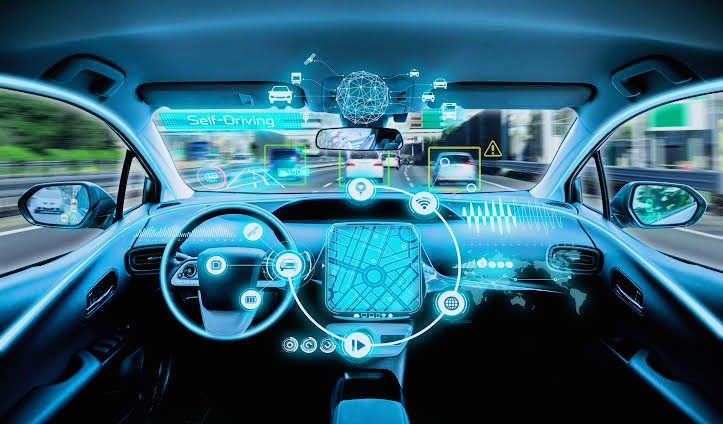
In today’s world, GPS tracking systems have become an integral part of vehicle security. With advancements in technology, they allow vehicle owners to track their cars in real time, recover stolen vehicles, and even monitor driving habits.
GPS tracker plays a critical role in preventing vehicle theft, aiding recovery, and enhancing driver safety. However, it also raises significant privacy concerns that need to be addressed.
This article explores how GPS tracking works, its role in vehicle recovery, its benefits, potential drawbacks, and how to balance the need for security with concerns about personal privacy.
What is GPS Tracking?
GPS (Global Positioning System) tracking involves using satellite signals to pinpoint the exact location of a vehicle.
A GPS tracking device installed in the car communicates with satellites and sends location data to a central database or app, enabling vehicle owners or authorized personnel to monitor the vehicle’s movement in real time.
Modern GPS tracking systems are equipped with advanced features such as geofencing, speed monitoring, and alerts for unauthorized movement, making them a powerful tool for vehicle security and recovery.
The Role of GPS Tracking in Vehicle Recovery
One of the primary uses of GPS tracking is in vehicle recovery. With car theft rates on the rise globally, having a GPS tracker can significantly increase the chances of recovering a stolen vehicle.
1. Real-Time Location Tracking
When a vehicle is stolen, a GPS tracker can provide its real-time location, helping authorities recover it quickly. Many systems offer live tracking updates, which can drastically reduce the time needed to locate the car.
2. Geofencing Alerts
Geofencing allows you to set virtual boundaries for your vehicle. If the car moves beyond the predefined area, the GPS system will send an alert. This feature is especially useful for fleet management or when parking in high-risk areas.
3. Data Sharing with Law Enforcement
GPS trackers store location history, which can be shared with law enforcement to aid in investigations. The detailed data makes it easier to track a thief’s route and recover the vehicle.
Benefits of GPS Tracking
GPS tracking offers several advantages beyond vehicle recovery:
1. Enhanced Security
A GPS tracker acts as a deterrent to thieves who are aware of its presence. Some systems come with remote engine immobilization, allowing the owner to disable the vehicle if it’s stolen.
2. Monitoring Driving Behavior
GPS trackers can monitor driving habits such as speed, sudden braking, or rapid acceleration, making them ideal for fleet management or parents monitoring teenage drivers.
3. Insurance Benefits
Many insurance companies offer discounts to drivers who install GPS trackers, as they reduce the risk of theft and improve vehicle safety.
4. Trip Optimization
GPS tracking helps drivers find efficient routes, saving time and fuel. This feature is particularly useful for delivery drivers or logistics companies.
Privacy Concerns with GPS Tracking
While GPS tracking has undeniable benefits, it also raises privacy issues, particularly when used without the knowledge or consent of the vehicle’s driver.
1. Unauthorized Tracking
GPS tracking devices can be misused to monitor someone’s movements without their consent, infringing on their privacy.
2. Data Security Risks
Location data stored by GPS systems can be vulnerable to hacking. If the data is accessed by unauthorized parties, it can lead to serious security risks.
3. Employee Monitoring in Fleets
Employers using GPS to monitor fleet vehicles may inadvertently breach employee privacy rights, especially if tracking extends beyond work hours.
4. Overreach by Authorities
Some worry about the potential misuse of GPS tracking by law enforcement or other agencies, raising questions about surveillance and personal freedom.
Balancing Security and Privacy
To maximize the benefits of GPS tracking while addressing privacy concerns, it’s essential to strike the right balance:
1. Transparency and Consent
Always inform drivers if their vehicle is equipped with a GPS tracker. Consent is key, whether the vehicle is used for personal or business purposes.
2. Data Encryption
Choose GPS systems that use strong encryption to protect location data from unauthorized access.
3. Limited Data Retention
Implement policies to limit how long location data is stored. Retaining data indefinitely increases the risk of misuse.
4. Compliance with Laws
Ensure GPS tracking practices comply with local privacy laws and regulations. This is especially important for businesses using fleet tracking systems.
5. Restrict Access
Limit who can access GPS tracking data. Only authorized personnel or vehicle owners should have access to location information.
6. Use for Legitimate Purposes
Ensure GPS tracking is used only for legitimate purposes, such as vehicle recovery, driver safety, or route optimization.
Choosing the Right GPS Tracking System
When selecting a GPS tracking system, consider the following:
- Features: Look for features like real-time tracking, geofencing, and remote immobilization.
- Data Security: Choose a system that prioritizes encryption and secure data storage.
- User-Friendliness: Opt for a system with an intuitive app or interface.
- Cost: Compare subscription fees and installation costs to find a system that fits your budget.
- Customer Support: Ensure the provider offers reliable customer support for troubleshooting issues.
—
Conclusion
GPS tracking and vehicle recovery systems provide a vital layer of security for modern drivers. They enhance the chances of recovering stolen vehicles, improve driving habits, and optimize travel routes. However, these systems must be used responsibly to address privacy concerns.
By being transparent, securing data, and adhering to legal guidelines, you can strike a balance between vehicle security and personal privacy. As technology continues to evolve, GPS tracking systems will become even more effective, making our roads and vehicles safer while respecting individual rights.







Five Die as Truck, Car Collide on Badagry Expressway

Two Killed as Trucks Collide, Burst Into Flames on Anambra Road

Stakeholders Raise Alarm Over Safety Gaps in Nigeria’s CNG and Electric Vehicle Transition

Female Driver Dies in Tragic Road Crash at Mongoro, Ile-Zik Area of Lagos

Physically Challenged Beggar Killed in Multi-Vehicle Crash on Lagos-Ibadan Expressway

Court Bars FRSC Officials From State Roads

24 Pupils Killed in Tragic Bus Crash During School Excursion in Uganda

Tyre Blowouts on Heavy Trucks

BYD Seal EV: Can It Challenge Traditional Sedans?

Colorado to Strengthen Driver Education Requirements

Slow Down: Man got his Family Killed by neglecting road signs

Which Bridge is the Tallest in the World?
Impatient Driving Cause Road Accident
How Roads are Constructed on the Mountain

Texas, USA suffers heavy flooding