
Articles
The Impact of Reckless Bikers on Society

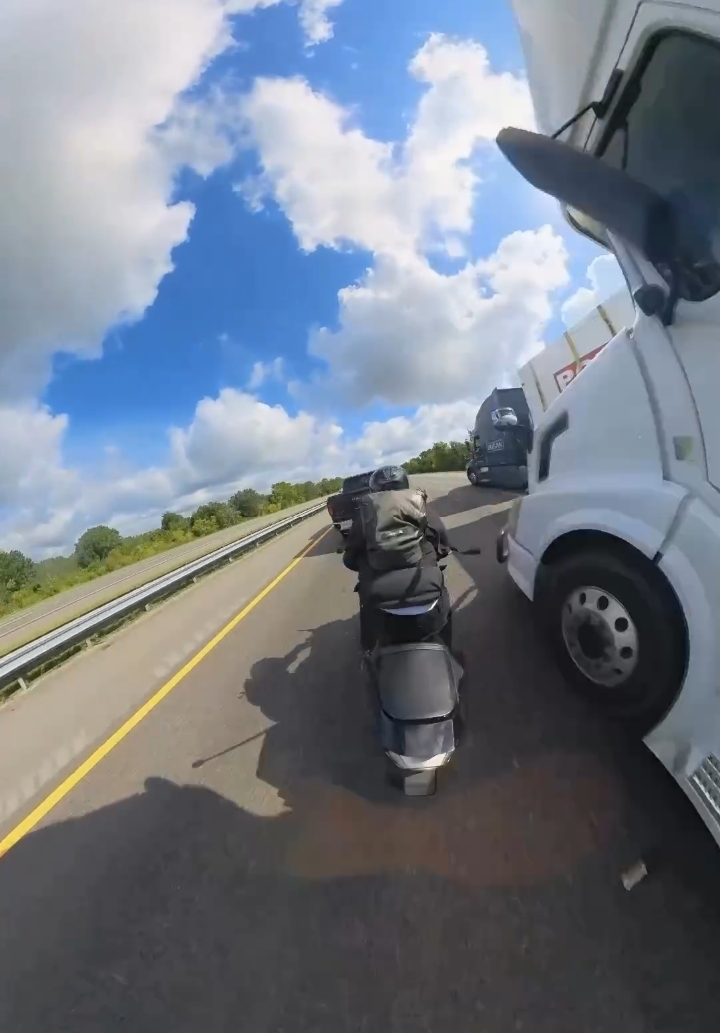
Reckless biking has become a growing concern in many communities worldwide, posing significant risks to both bikers themselves and others sharing the road.
This article examines the various dimensions of reckless biking, its consequences, and potential solutions.
Understanding Reckless Biking
Reckless biking encompasses a range of behaviors that endanger both bikers and those around them. This includes:
- Speeding: Exceeding safe limits for the conditions, which reduces reaction time and increases the severity of accidents.
- Lane Cutting and Weaving: Abruptly changing lanes or weaving through traffic without signaling, increasing the likelihood of collisions.
- Ignoring Traffic Signals: Disregarding red lights, stop signs, and other traffic signals, which heightens the risk of intersection accidents.
- Stunt Riding: Performing dangerous maneuvers such as wheelies, stoppies, and other acrobatics on public roads, endangering both the rider and nearby motorists.
- Impaired Riding: Operating a bike under the influence of alcohol or drugs, impairing judgment and coordination.
Consequences of Reckless Biking
The consequences of reckless biking can be severe and far-reaching:
- Increased Risk of Accidents: Reckless bikers are more likely to be involved in collisions, leading to injuries or fatalities for themselves and others.
- Legal Ramifications: Violations of traffic laws can result in fines, license suspension, or even criminal charges in cases of severe negligence or harm.
- Public Perception: Reckless biking contributes to negative perceptions of all bikers, undermining efforts to promote cycling as a sustainable and safe mode of transport.
- Infrastructure Strain: Emergency response teams and healthcare systems are burdened by preventable accidents caused by reckless biking.
Addressing the Issue
To mitigate the risks associated with reckless biking, several measures can be considered:
- Enforcement of Traffic Laws: Strict enforcement of speed limits, traffic signals, and other regulations can deter reckless behavior.
- Public Awareness Campaigns: Education about the dangers of reckless biking and the importance of responsible cycling practices can promote safer behaviors.
- Infrastructure Improvements: Designing bike lanes and roadways with cyclists’ safety in mind, including barriers and signage, can reduce conflict points with other road users.
- Community Engagement: Encouraging community-led initiatives and partnerships between bikers, motorists, and local authorities fosters a culture of mutual respect and responsibility on the roads.
In conclusion, reckless biking poses significant risks to bikers themselves, other road users, and the broader community.
By addressing this issue through enforcement, education, infrastructure improvements, and community engagement, societies can work towards creating safer environments for all road users.
Responsible biking practices are essential not only for individual safety but also for the well-being of communities as a whole.

Five Die as Truck, Car Collide on Badagry Expressway

Two Killed as Trucks Collide, Burst Into Flames on Anambra Road

Stakeholders Raise Alarm Over Safety Gaps in Nigeria’s CNG and Electric Vehicle Transition

Female Driver Dies in Tragic Road Crash at Mongoro, Ile-Zik Area of Lagos

Physically Challenged Beggar Killed in Multi-Vehicle Crash on Lagos-Ibadan Expressway

Court Bars FRSC Officials From State Roads

24 Pupils Killed in Tragic Bus Crash During School Excursion in Uganda

Tyre Blowouts on Heavy Trucks

BYD Seal EV: Can It Challenge Traditional Sedans?

Colorado to Strengthen Driver Education Requirements

Slow Down: Man got his Family Killed by neglecting road signs

Which Bridge is the Tallest in the World?
Impatient Driving Cause Road Accident
How Roads are Constructed on the Mountain

Texas, USA suffers heavy flooding