
Road Safety / Heavy Vehicle Awareness
Reckless Drivers Kill Five FRSC Officers on Duty

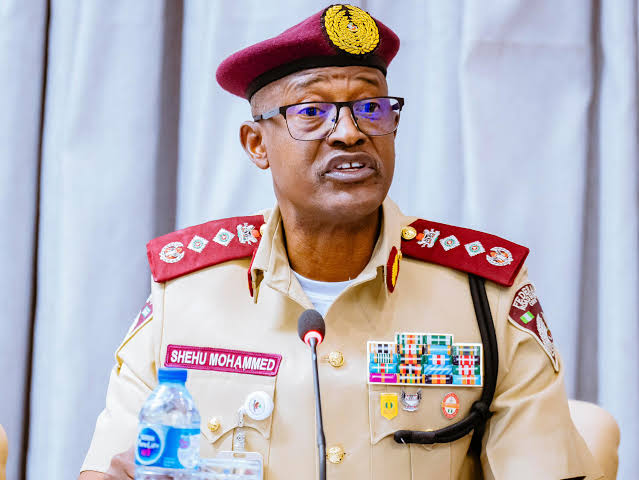
Guardians of the Road Cut Down in Their Prime
It was supposed to be another day of saving lives and ensuring safer roads. But on a busy Nigerian highway, tragedy struck when five Federal Road Safety Corps (FRSC) officers were killed by reckless drivers while carrying out their lawful duty.
Also Read: FRSC Corps Marshal Calls for Firearms: Will Guns Make Nigeria’s Highways Safer?
The incident, which has sparked outrage nationwide, exposes not just the dangers ordinary road users face but the grave risks borne daily by the very officers tasked with enforcing traffic safety.
The Incident: When Enforcement Meets Recklessness
According to eyewitness reports, the FRSC officers were stationed at a highway checkpoint conducting routine traffic enforcement when two speeding vehicles, apparently ignoring safety signals, ploughed into them.
- Five officers died instantly.
- Several others sustained serious injuries and were rushed to nearby hospitals.
- The drivers involved reportedly fled the scene but were later apprehended by local security operatives.
This chilling event underscores a bitter irony: those who dedicate their lives to protecting motorists often become victims of the same recklessness they fight against.
FRSC: A Dangerous Job Few Acknowledge
The FRSC was established in 1988 to tame Nigeria’s chaotic highways, reduce road crashes, and enforce safety regulations. Over the years, they have introduced seatbelt enforcement, speed limiters, alcohol testing, and more.
Yet, their officers remain one of the most endangered uniforms in Nigeria. Unlike soldiers or police, FRSC personnel often operate in open highways without firearms, armed only with reflective jackets, notebooks, and whistles.
Statistics tell the story:
- Between 2015 and 2024, at least 160 FRSC officers were killed on duty by reckless drivers or road crashes (FRSC Headquarters Report).
- In 2023 alone, 21 officers lost their lives in hit-and-run incidents.
- Most deaths occur during holiday seasons when road traffic peaks.
Reckless Driving: A Silent Killer on Nigerian Roads
Nigeria records an average of 40 crashes and 20 deaths daily, according to the FRSC Annual Report (2024). Many of these are linked to reckless driving practices:
- Overspeeding
- Dangerous overtaking
- Driving under the influence of alcohol/drugs
- Using unroadworthy vehicles
- Fatigue and distracted driving (phone use)
In this case, the officers who died were enforcing the very rules meant to prevent these same causes. Their deaths underline the deadly consequences of disregard for road safety laws.
Voices from the Scene: Pain and Outrage
Eyewitnesses described a scene of horror.
- Adekunle, a commercial driver who witnessed the crash:
“Those drivers didn’t even slow down. The officers were just doing their work. In one second, everything changed. I saw bodies on the ground. It was terrible.” - FRSC Command Spokesperson:
“This is not just a crime against the FRSC. It is a crime against Nigeria. Our officers are fathers, mothers, brothers, and sisters. They paid the supreme price while trying to save lives.” - Family member of a slain officer (anonymous):
“My brother always said his job was dangerous, but I never imagined he would die this way. He left home to work and never returned.”
The Legal Angle: Will Justice Be Served?
The drivers have reportedly been arrested, but Nigerians are skeptical about justice.
Past cases often reveal a pattern: reckless drivers arrested for killing FRSC officers walk free within months, sometimes due to weak prosecution or corruption in the system.
Legal analysts argue that Nigeria needs tougher penalties:
- Manslaughter charges for any driver that kills an officer on duty.
- Lifetime driving bans for repeat offenders.
- Stiffer insurance liability laws.
Public Reactions: Sympathy and Anger
Nigerians have flooded social media with condolences, but also with anger.
- Many argue that FRSC officers should be armed to protect themselves.
- Others blame government for failing to provide protected enforcement zones (barriers, cones, sirens).
- Some call for national days of mourning for fallen officers.
RoadKing.ng Analysis: A Dangerous Cycle
This tragedy is not isolated, it’s part of a larger, disturbing cycle:
- Drivers ignore road safety rules.
- FRSC officers try to enforce them.
- Enforcement leads to confrontation or tragedy.
- Public outcry fades; nothing changes.
Unless Nigeria reforms road culture and gives enforcement agencies stronger tools, more officers and motorists will die needlessly.
What Needs to Change Immediately
- Legislation – Introduce a “FRSC Protection Act” making it a federal offense to endanger an officer.
- Technology – Deploy drones, speed cameras, and automatic number plate recognition to reduce the need for physical checkpoints.
- Public Awareness – Nationwide campaigns emphasizing that reckless driving = manslaughter.
- Emergency Response – Provide officers with armored mobile units, crash barriers, and reflective shields.
- Mental Health Support – Families of fallen officers need counseling, compensation, and pension guarantees.
Conclusion: Honoring the Fallen
The five FRSC officers killed this week are not just statistics. They were guardians of Nigeria’s highways, men and women who left their homes in the morning with a mission: to save lives.
Their deaths must not fade into another tragic headline. It should be a wake-up call for drivers, policymakers, and every road user.
As Nigeria mourns, the message is clear: reckless driving kills not only innocent motorists, but even those sworn to protect them.



Six Passengers Killed in Fatal Road Crash Along Keffi–Akwanga

Pedestrian Struck & Killed on Kamo Road in Whangārei, New Zealand

UAE Road Safety Alert During Ramadan 2026
Five Killed as Fuel Tanker Crushes Tricycle in Bayelsa

Traffic Delays Hit North Texas After Multiple Highway Accidents
Mother, Son Survive Horrific SUV Overturn Crash in Lagos

Dozens Injured in Two Separate Bus Crashes in Israel’s Negev

Minibus Drivers Block Roads in Calabar Over ₦700 Daily Ticket Fees

Essential Road Safety Tips Every Traveler Must Know in 2026

Bad Vehicle Maintenance: The Silent Killer on Roads Worldwide
Three Killed in Multi-Vehicle Crash in Northern Ireland

Fatal Drunk Driving Crash Claims Woman’s Life on Clay Road

Lansdale Residents Lead Local Road Safety Initiative to Protect Community

How Turkey Is Using Real Wrecked Cars to Warn Drivers
Sixteen Killed in Fiery Bus–Truck Collision in Yemen
Motorcyclist Crash Shuts Down M40 Motorway in UK, Causes Major Traffic Disruption

Major Multi-Vehicle Collision Shuts Down M25 in Both Directions

Delhi Introduces Safety Reward Scheme for Citizens Who Assist Road Accident Victims

Senior Police Officer Dies in Fatal Road Crash in Borno
Dozens Injured in Two Separate Bus Crashes in Israel’s Negev

Slow Down: Man got his Family Killed by neglecting road signs

Which Bridge is the Tallest in the World?
Impatient Driving Cause Road Accident
How Roads are Constructed on the Mountain

Texas, USA suffers heavy flooding