
Automotive Spotlight & Review
Electric Cars vs. Traditional Cars: Which Is Safer on the Roads?


The automotive industry is undergoing one of its biggest transformations in over a century. Electric vehicles (EVs) are no longer a futuristic dream, they’re mainstream. With companies like Tesla, BYD, Rivian, Ford, and Volkswagen leading the charge, millions of drivers worldwide are now behind the wheel of battery-powered cars.
Also Read: Top 10 Most Reliable Cars of the Decade
But as EVs rise in popularity, one critical question remains at the forefront: Are electric cars actually safer than traditional gas-powered vehicles?
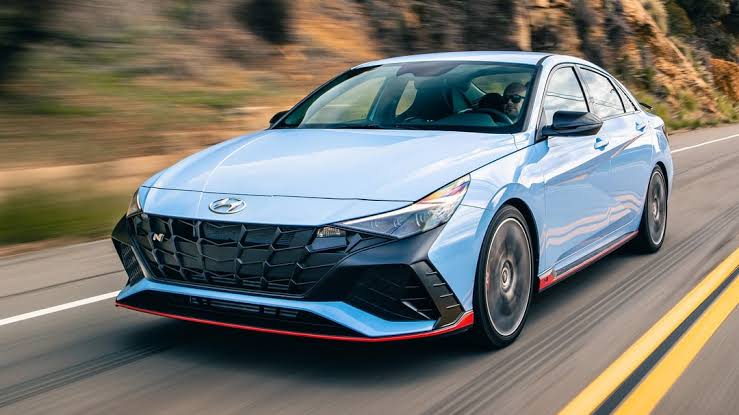 Safety is one of the biggest factors influencing buyer decisions, especially for families and commuters who spend hours on the road each week. To answer this question, we’ll explore crash data, fire risks, battery concerns, driver-assistance technologies, and long-term safety trends. By the end, you’ll have a clear understanding of how EVs and traditional cars compare—and which might keep you and your loved ones safer.
Understanding Vehicle Safety
Before comparing electric and traditional cars, it’s important to define what we mean by “safety.” Vehicle safety can be broken down into several categories:
- Crashworthiness – How well a car protects occupants during a collision.
- Crash Avoidance – Features that help prevent accidents from happening in the first place.
- Post-Crash Safety – How the car responds after an accident (e.g., preventing fires, ease of rescue).
- Reliability and Maintenance Safety – Risks tied to the vehicle’s mechanical or electrical systems.
Both electric and traditional vehicles must pass strict safety standards before hitting the market, but they approach these categories in different ways.
 Crash Test Performance: EVs Have the Edge
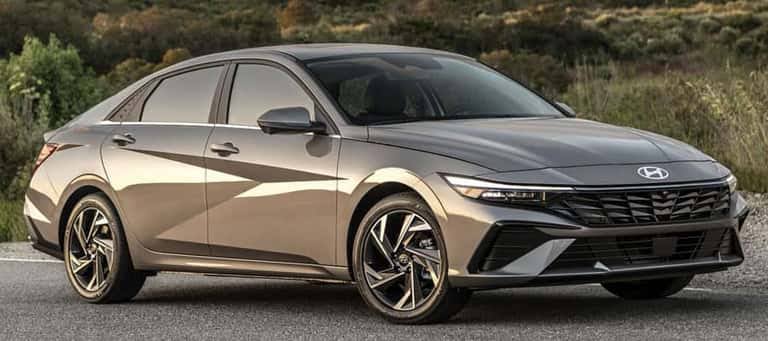 Crash Test Performance: EVs Have the Edge
Surprisingly to some, electric cars often perform better in crash tests than their gasoline counterparts.
Why?
- Battery Placement: EV batteries are typically mounted low in the chassis. This lowers the center of gravity, reducing rollover risk and improving stability.
- Crumple Zones: With no bulky engine block up front, EVs can be engineered with larger crumple zones to absorb impact.
- Rigid Structure: Battery packs are protected by reinforced casings, adding structural strength.
Data from Crash Testing Authorities
- The Tesla Model 3 received a 5-star safety rating from the NHTSA and was praised for having the lowest probability of injury ever tested.
- The Volvo XC40 Recharge scored top marks in Euro NCAP safety ratings.
- Studies by the Insurance Institute for Highway Safety (IIHS) show EVs may be safer for occupants in crashes compared to similar-size gasoline cars.
In terms of crashworthiness, EVs have a significant advantage.
Fire Risks: Gasoline Explosions vs. Battery Fires
One of the biggest debates in the EV vs. gas safety conversation involves fires.
 Gasoline Vehicles
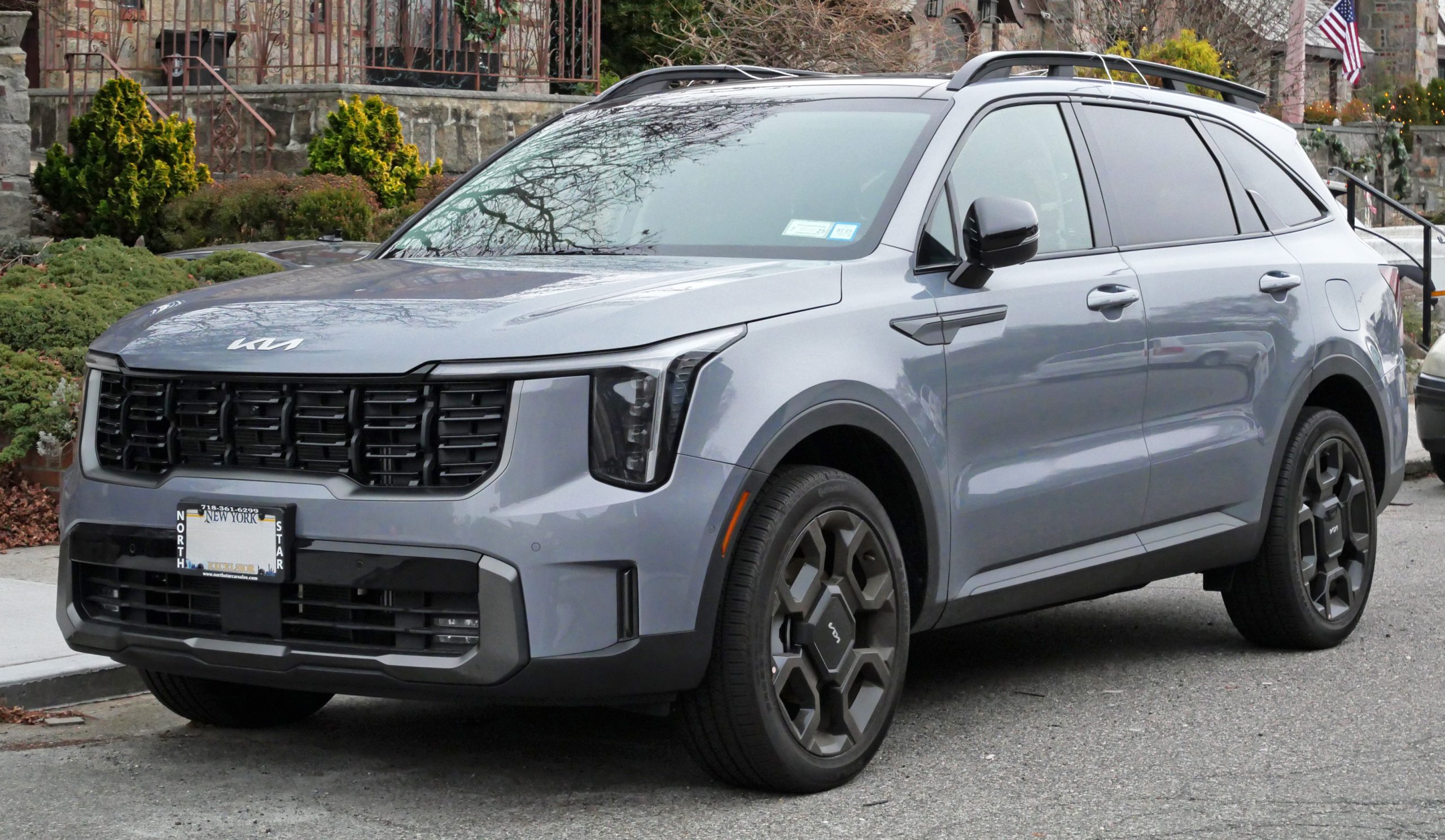 Gasoline Vehicles
- Gasoline is highly flammable.
- Fuel leaks after crashes can lead to dangerous fires or explosions.
- Decades of data show that tens of thousands of gas car fires occur annually worldwide.
Electric Vehicles
- Lithium-ion batteries carry their own fire risks.
- “Thermal runaway” (a chain reaction inside the battery) can cause intense fires.
- However, EV fires are statistically far less common than gasoline fires.
- When they do occur, they can be harder to extinguish, requiring special firefighting techniques.
Verdict: EVs are less likely to catch fire, but when they do, the fires can be more complicated to handle.
Advanced Driver Assistance Systems (ADAS)
Another key difference lies in technology adoption.
Traditional Cars
- Many modern gas vehicles have ADAS features like lane departure warnings, automatic emergency braking, and blind-spot monitoring.
- However, adoption is slower in budget models.
Electric Cars
- EVs often come equipped with cutting-edge driver-assistance as standard.
- Tesla’s Autopilot and Full Self-Driving systems, while controversial, are among the most advanced in consumer vehicles.
- Startups and EV-focused automakers tend to prioritize connectivity, sensors, and automation.
When it comes to crash avoidance, EVs usually lead because they integrate safety tech earlier and more aggressively.
Post-Crash Safety
Gas Vehicles
- Risks of fuel leakage and fire.
- Decades of rescue training means emergency responders know how to deal with them.
Electric Vehicles
- High-voltage batteries pose shock hazards if not properly handled.
- Firefighters need special training to cut power safely.
- Many EVs automatically disconnect battery circuits after an accident to prevent electrocution.
Overall, both systems have risks, but EV manufacturers have implemented safeguards that continue to improve.
Weight: A Double-Edged Sword
EVs are generally heavier than gas cars due to their batteries.
Pros
- Heavier vehicles fare better in accidents with lighter ones (laws of physics).
- The weight improves road grip and stability.
Cons
- Heavier cars can cause more damage to other vehicles in collisions.
- Increased stopping distance if braking systems aren’t optimized.
So while EV occupants may be safer, pedestrians and smaller cars face higher risks in EV collisions.
Long-Term Safety and Maintenance
Gas Cars
- Known risks: oil leaks, brake failures, fuel system malfunctions.
- Well-understood by mechanics worldwide.
Electric Cars
- Fewer moving parts = fewer things to break.
- No oil changes, no complex transmissions, fewer fire risks.
- Concerns about battery degradation, but safety impact is minimal.
Reliability studies suggest EVs may have lower maintenance-related safety risks compared to gas cars.
Environmental Safety and Health
While not usually part of crash safety discussions, the air quality and pollution impact of vehicles affect public health:
- Gas cars emit pollutants that contribute to respiratory illness and premature deaths.
- EVs produce zero tailpipe emissions, making cities safer for long-term health.
This makes EVs safer on a societal level, even if individual crash outcomes vary.
The Future of Vehicle Safety
As EV adoption grows, we can expect rapid safety innovation:
- More automation: Self-driving systems will likely be introduced first in EVs.
- Safer batteries: Advances in solid-state batteries will reduce fire risks.
- Connected safety: EVs will play a leading role in vehicle-to-vehicle (V2V) communication to prevent crashes.
Traditional cars will continue improving too, but EVs are likely to push safety boundaries further and faster.
Conclusion: Which Is Safer?
So, are electric cars safer than traditional cars? The answer isn’t simple but evidence points toward yes, at least for occupants.
- Crash tests: EVs outperform many gas cars.
- Fires: Less frequent in EVs, though harder to control.
- Tech adoption: EVs lead with advanced crash-prevention systems.
- Weight: EVs protect their passengers but may endanger others more in collisions.
- Environment: EVs improve overall public safety through cleaner air.
Ultimately, both gas and electric cars can be safe if driven responsibly. But with innovation accelerating in the EV space, the future of automotive safety is undeniably electric.
Whether you’re team EV or team gasoline, the road to safety starts with you driving smart, staying alert, and keeping your car maintained.

Five Die as Truck, Car Collide on Badagry Expressway

Two Killed as Trucks Collide, Burst Into Flames on Anambra Road

Stakeholders Raise Alarm Over Safety Gaps in Nigeria’s CNG and Electric Vehicle Transition

Female Driver Dies in Tragic Road Crash at Mongoro, Ile-Zik Area of Lagos

Physically Challenged Beggar Killed in Multi-Vehicle Crash on Lagos-Ibadan Expressway

Court Bars FRSC Officials From State Roads

24 Pupils Killed in Tragic Bus Crash During School Excursion in Uganda

Tyre Blowouts on Heavy Trucks

BYD Seal EV: Can It Challenge Traditional Sedans?

Colorado to Strengthen Driver Education Requirements

Slow Down: Man got his Family Killed by neglecting road signs

Which Bridge is the Tallest in the World?
Impatient Driving Cause Road Accident
How Roads are Constructed on the Mountain

Texas, USA suffers heavy flooding