
Automotive Spotlight & Review
The Forgotten Highways: How Nigeria’s Neglected Federal Roads Destroy Cars and Claim Lives

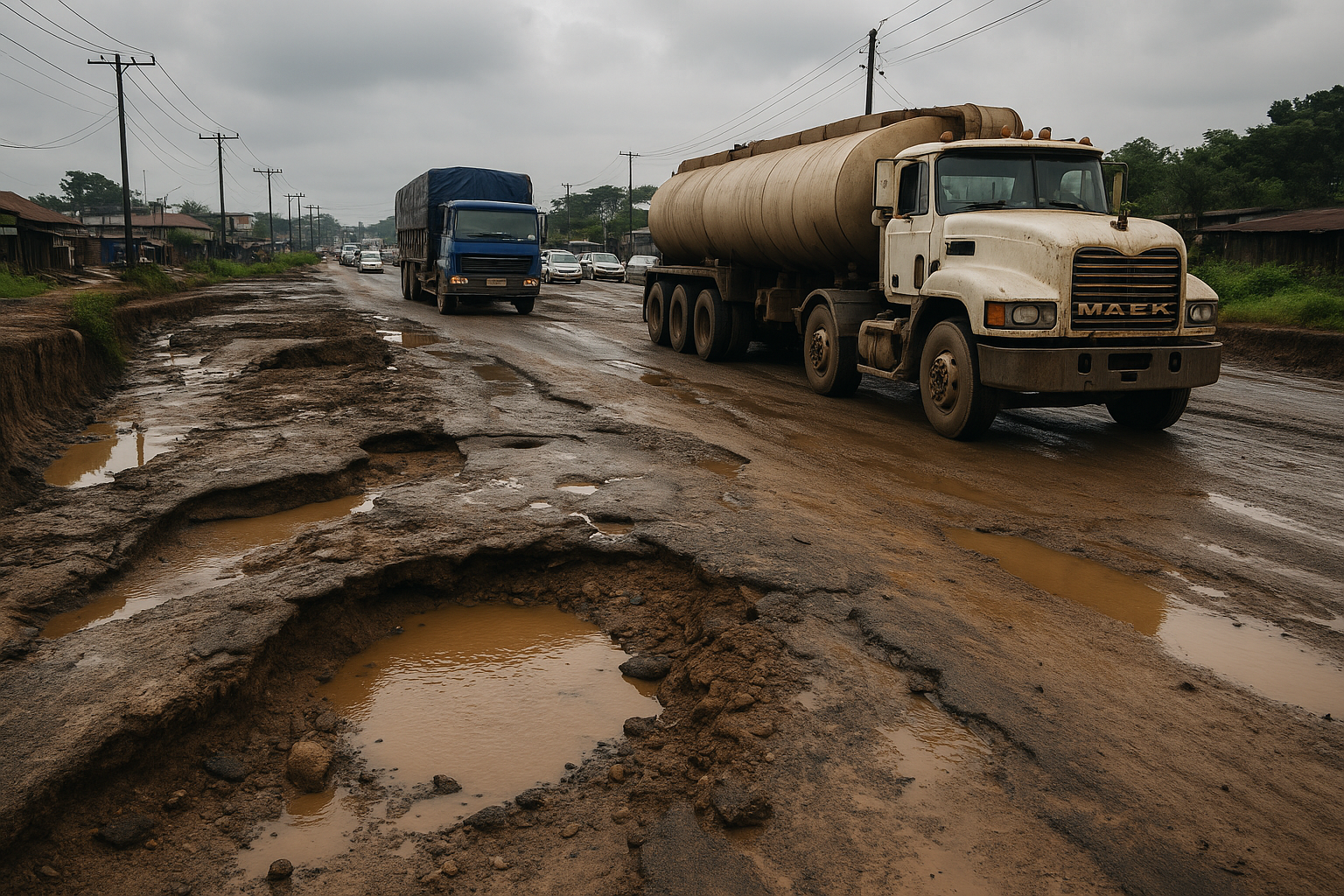
When a Road Becomes a Death Sentence
On a rainy evening in June 2024, a commercial bus traveling from Enugu to Port Harcourt veered off the road near Eleme, Rivers State. The driver had swerved to avoid a crater-sized pothole, but in doing so, lost control and plunged into a ditch. Six passengers were killed instantly.
Also Read: Nigeria’s Silent Killers: Rising Fatalities from Late-Night Road Accidents
For residents, the tragedy wasn’t shocking. The East-West Road, like many federal highways across Nigeria has long been a corridor of broken asphalt, abandoned projects, and endless funerals.
Nigeria boasts over 200,000 kilometers of road networks, but less than 40,000 kilometers are federal highways. Ironically, these federal roads are the arteries of commerce, connecting states, ports, and cities. Yet, many of them are so neglected that they no longer serve as infrastructure but as instruments of death.
This investigation uncovers how Nigeria’s forgotten highways are destroying vehicles, slowing economic growth, and claiming thousands of lives every year.
The Toll of Neglect: Statistics That Speak Volumes
- According to the Federal Road Safety Corps (FRSC), poor road conditions account for 28% of road accidents in Nigeria.
- The World Bank estimates that Nigeria loses $3 billion annually to vehicle damage, delayed deliveries, and lost productivity caused by bad roads.
- Between 2018 and 2023, over 15,000 deaths were recorded on federal roads categorized as “bad or very bad.”
Highways of Horror: Case Studies of Neglect
- The East-West Road (Niger Delta)
Originally conceived as a lifeline for the oil-rich Niger Delta, the East-West Road is today a symbol of abandonment. Construction began in 2006, but nearly two decades later, critical sections remain unfinished. Floods routinely wash away parts of the road, leaving motorists stranded for hours or swept away. - Abuja-Lokoja Highway
Linking the capital to the southern states, this highway is plagued by gullies, narrow lanes, and constant traffic jams. Fatal crashes here often involve overloaded trailers tipping over onto smaller vehicles. - Enugu-Onitsha and Enugu-Port Harcourt Highways
Both highways are notorious for potholes that force vehicles into dangerous zigzags. Traders lose goods daily, while night travelers fear being stranded and vulnerable to armed robbery. - Maiduguri-Damaturu Road (Northeast)
Apart from terrorism threats, the road itself is a killer. Washed-out sections create choke points where accidents are frequent. Humanitarian aid vehicles often break down mid-journey, delaying relief to communities.
Voices from the Road: Human Stories of Pain
- Commercial Driver’s Plight
Musa, a bus driver who plies the Abuja–Lokoja route, told RoadKing:
“Every two months I repair my suspension or change tyres. The potholes are like wells. We spend our little profit fixing cars. Passengers blame us, but it is the road.”
- A Trader’s Loss
Chinyere, a tomato seller from Benue, recalled how her truck overturned near Lokoja:
“We lost ₦4 million worth of goods that day. Nobody came to help. We slept on the road. The road is our enemy.”
- Families in Mourning
In 2023, a family of seven died on the Enugu–Onitsha expressway after their car burst a tyre in a pothole and collided with a trailer. Relatives said they had warned against night travel, but the road’s poor condition made the crash inevitable.
Why Nigeria’s Roads Remain Abandoned
- Corruption in Road Contracts
Billions are budgeted yearly for road repairs, but projects are often inflated, abandoned, or poorly executed. The East-West Road alone has consumed over ₦500 billion without completion. - Poor Maintenance Culture
Unlike developed countries where roads undergo routine maintenance, Nigeria waits until a road is almost impassable before repairs begin. - Over-Reliance on Contractors
Many contractors awarded federal road projects lack the equipment or technical expertise to deliver. Political favoritism, not competence, dictates contract awards. - Neglect of Road Safety Design
Drainages, streetlights, and safety barriers are afterthoughts. Without them, roads deteriorate faster and crashes become deadlier.
Expert Insights
FRSC Corps Marshal Dauda Ali Biu once warned:
“No matter how careful drivers are, bad roads create unavoidable accidents. Until roads are fixed, we will continue to bury our citizens.”
Transport economist, Prof. Adebayo Oloye, told RoadKing:
“Bad roads are not just killing Nigerians. They are killing the economy. A country that cannot move its goods safely cannot grow.”
Economic Impact: Beyond Lost Lives
Bad roads don’t just destroy vehicles and kill people, they also sabotage Nigeria’s economy:
- Increased Vehicle Maintenance Costs: Nigerians spend billions annually fixing suspensions, tyres, and engines.
- Rising Transport Fares: Drivers transfer costs to passengers, inflating travel expenses.
- Reduced Investment: Investors shy away from regions with impassable roads.
- Agricultural Losses: Farmers lose perishable goods daily due to delays.
What Can Be Done? The Road Ahead
- Prioritize Maintenance: Establish a National Road Maintenance Agency with guaranteed funding.
- Transparent Contracting: Enforce accountability for failed road projects and blacklist incompetent contractors.
- Adopt PPP Models: Involve private investors in road construction and toll management.
- Integrate Technology: Use drones and GIS to monitor road conditions in real-time.
- Strengthen Enforcement: Ensure that roads under construction have proper signage and diversions to prevent crashes.
Conclusion: A National Emergency
Every pothole on Nigeria’s highways is a potential grave. Every abandoned road project is a betrayal of the citizens who pay with their lives. The forgotten highways of Nigeria are more than neglected infrastructure, they are crime scenes where corruption and inefficiency kill silently.
As one grieving father told RoadKing after losing his daughter on the East–West Road:
“She didn’t die because of God’s will. She died because the government abandoned the road.”



Five Die as Truck, Car Collide on Badagry Expressway

Two Killed as Trucks Collide, Burst Into Flames on Anambra Road

Stakeholders Raise Alarm Over Safety Gaps in Nigeria’s CNG and Electric Vehicle Transition

Female Driver Dies in Tragic Road Crash at Mongoro, Ile-Zik Area of Lagos

Physically Challenged Beggar Killed in Multi-Vehicle Crash on Lagos-Ibadan Expressway

Court Bars FRSC Officials From State Roads

24 Pupils Killed in Tragic Bus Crash During School Excursion in Uganda

Tyre Blowouts on Heavy Trucks

BYD Seal EV: Can It Challenge Traditional Sedans?

Colorado to Strengthen Driver Education Requirements

Slow Down: Man got his Family Killed by neglecting road signs

Which Bridge is the Tallest in the World?
Impatient Driving Cause Road Accident
How Roads are Constructed on the Mountain
