
Articles
The Hidden Cost of Overloading: How Nigeria’s Trucks and Buses are Destroying Roads and Lives

Introduction: A Journey That Never Ended
At dawn on the Abuja-Lokoja expressway in June 2024, a 40-tonne trailer meant to carry 25 tonnes of cement tilted dangerously before crashing into a commercial bus.
Also Read: Why Overloading Is Silently Killing Nigeria’s Roads And Its Drivers
The overloaded vehicle, straining under excess weight, had lost balance on a curve. In seconds, 14 lives were lost, dozens were injured, and yet another Nigerian family joined the growing list of those whose loved ones never returned from the road.
This is not an isolated tragedy. Across Nigeria’s highways, overloading has become a silent epidemic, destroying vehicles, claiming lives, and eroding the country’s fragile infrastructure. Yet, for every accident we see in headlines, countless more near-misses and hidden costs go unnoticed.
What Is Overloading and Why It Matters
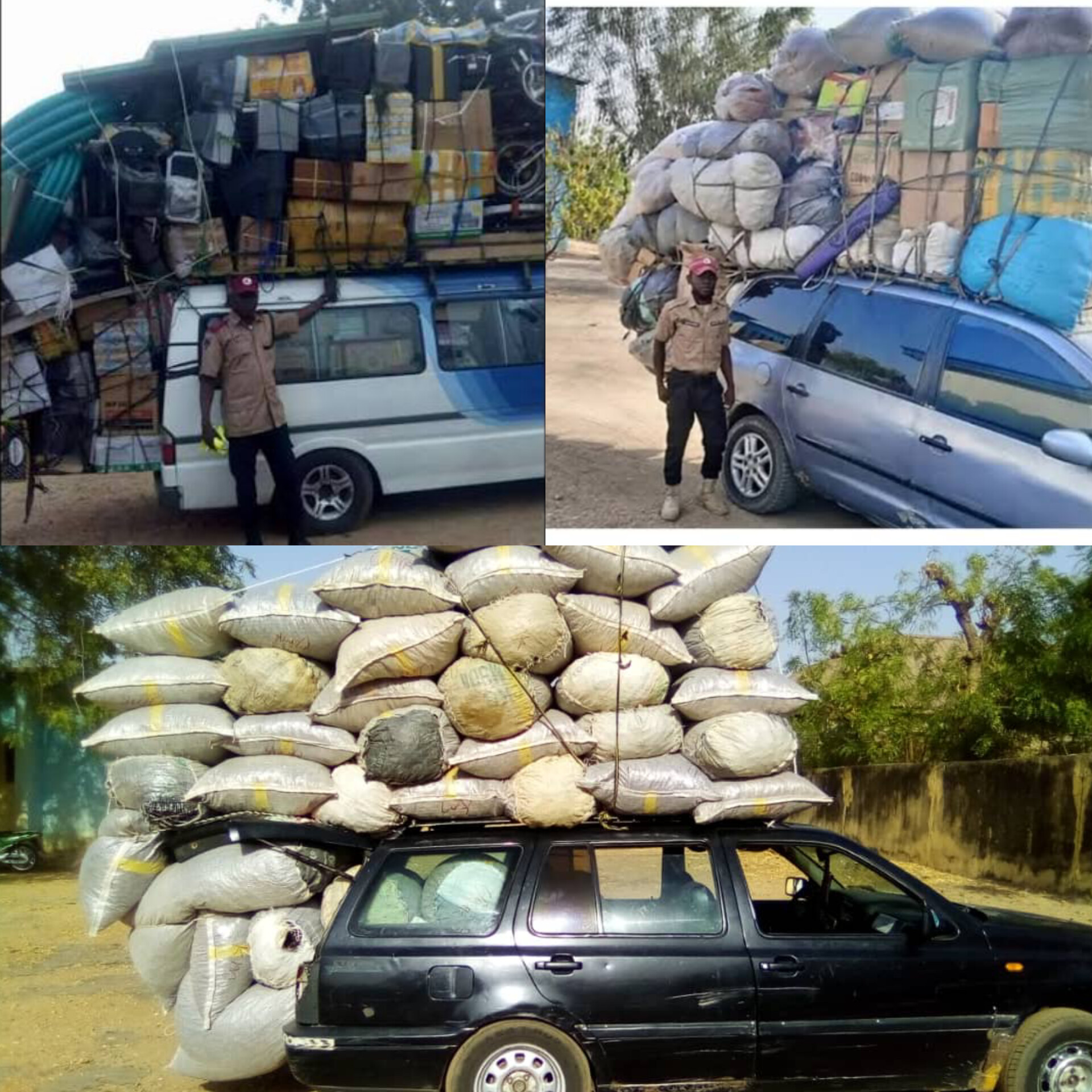
Overloading happens when vehicles, buses, trailers, trucks carry more weight than their approved capacity. In Nigeria, it is not uncommon to see:
- 18-seater buses carrying 25 passengers
- Pickups loaded with cement, goats, and humans at once
- Trucks designed for 30 tonnes carrying 60 tonnes of goods
This isn’t just about breaking the law, it’s about creating rolling time bombs on our highways.
The Human Cost: Deaths and Injuries on the Rise
According to the Federal Road Safety Corps (FRSC) 2023 annual report, overloading contributed to 8.3% of recorded road crashes nationwide. The World Health Organization (WHO) also warns that overloaded vehicles are three times more likely to be involved in fatal accidents.
Victims often pay the highest price:
- Crushed passengers in buses without proper exits
- Families torn apart when trailers overturn on highways
- Pedestrians struck when overloaded vehicles lose control
Behind every statistic is a name, a family, a story cut short.
The Economic Damage: Roads and Bridges Under Siege
Overloading does not only kill people, it kills infrastructure.
Nigeria spends ₦600 billion annually on road repairs, according to the Federal Ministry of Works. A large portion of this is due to overloaded trucks tearing apart highways long before their expected lifespan.
- Bridges designed for 30 years collapse within 10
- Asphalt cracks, forming potholes that cause secondary accidents
- Transport costs rise as vehicles break down frequently
Every overloaded trip may save a transporter a few thousand naira, but the national economy pays billions in return.
Why Drivers and Transport Companies Overload
The truth is harsh but clear: overloading thrives because it pays.
- Profit margins – More goods = more money in one trip.
- Weak enforcement – Drivers know weighbridges are broken or corruptly bypassed.
- Passenger desperation – In rural towns, buses overload because there aren’t enough vehicles.
- Ignorance – Many drivers underestimate the risk until tragedy strikes.
FRSC and Law Enforcement: Toothless Tigers?
The FRSC has made attempts, but challenges remain:
- Insufficient weigh stations – Out of 774 local government areas, fewer than 20 weighbridges are functional.
- Corruption at checkpoints – Drivers “settle” officers with bribes.
- Weak penalties – Fines are often less than the profit from overloading, making violations a calculated risk.
Until enforcement becomes consistent and penalties outweigh profits, overloading will continue unchecked.
International Lessons: How Others Tackle Overloading
- Kenya – Introduced electronic weigh-in-motion systems that automatically detect overloaded trucks.
- South Africa – Enforces severe fines and immediate offloading before a vehicle can continue.
- Europe – Uses real-time telematics to monitor commercial freight weight.
Nigeria lags far behind, but these models show that reform is possible.
The Way Forward: Solutions Nigeria Must Embrace
- Functional Weigh Stations Nationwide – Digital weighbridges should be installed at all major highways.
- Stricter Penalties – Overloading fines must be high enough to discourage the practice.
- Vehicle Design Regulations – Import and manufacturing standards must ensure vehicles cannot be easily overloaded.
- Public Awareness Campaigns – Just like seatbelts, Nigerians must understand the dangers of overloading.
- Technology-Driven Enforcement – AI-based monitoring systems can track trucks in real-time.
Conclusion: A Call to Save Lives
Every day Nigeria delays action, overloaded trucks and buses will continue to claim innocent lives. Overloading is not just a transport problem, it is a national emergency. It eats away at our economy, destroys our infrastructure, and kills our citizens.
We must decide: will Nigeria keep patching potholes and burying victims, or will it finally stop the madness at its source?


Three Killed in Deadly Crash on Betul Road in Madhya Pradesh

One Killed, Three Injured After Truck Rams Tricycle at Epe Junction
Truck Driver Dies in Fatal Head-On Crash on Calabar–Itu highway
Six Passengers Killed in Fatal Road Crash Along Keffi–Akwanga

Pedestrian Struck & Killed on Kamo Road in Whangārei, New Zealand

UAE Road Safety Alert During Ramadan 2026
Five Killed as Fuel Tanker Crushes Tricycle in Bayelsa

Traffic Delays Hit North Texas After Multiple Highway Accidents
Mother, Son Survive Horrific SUV Overturn Crash in Lagos

Dozens Injured in Two Separate Bus Crashes in Israel’s Negev

Minibus Drivers Block Roads in Calabar Over ₦700 Daily Ticket Fees

Social Media Influencer Dies After Losing Control on French Motorway
Truck Driver Dies in Fatal Head-On Crash on Calabar–Itu highway
Mother, Son Survive Horrific SUV Overturn Crash in Lagos
UAE Road Safety Alert During Ramadan 2026
One Dead After Vehicle Collides With Train in United States

Essential Road Safety Tips Every Traveler Must Know in 2026

Bad Vehicle Maintenance: The Silent Killer on Roads Worldwide

Slow Down: Man got his Family Killed by neglecting road signs

Which Bridge is the Tallest in the World?
Impatient Driving Cause Road Accident
How Roads are Constructed on the Mountain

Texas, USA suffers heavy flooding