
Articles
Drunk Driving in Nigeria: Lives Cut Short by Irresponsible Choices

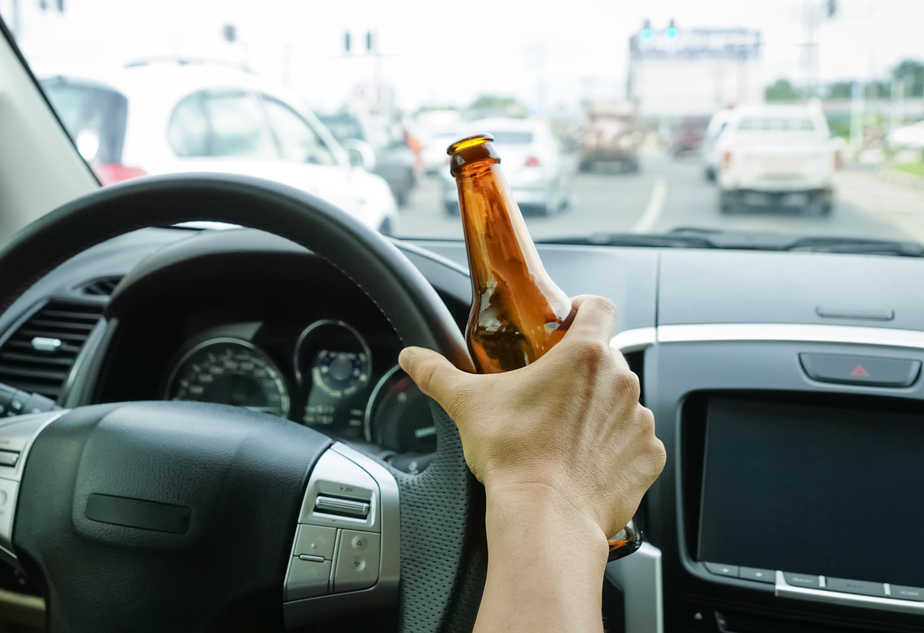
Drunk driving is silently becoming one of the deadliest threats on Nigerian roads. Every weekend, lives are cut short, families are thrown into mourning, and promising futures are destroyed because some drivers still believe it is acceptable to drink alcohol and get behind the wheel.
Also Read: Exclusive: Mobile Phone Sensors Could Help Detect Drunk Driving in Nigeria
While headlines often focus on fuel prices, bad roads, and reckless commercial drivers, the menace of drunk driving lurks beneath the surface, claiming lives daily in ways that are rarely documented. Experts warn that unless urgent action is taken, the epidemic will only grow worse as alcohol consumption continues to rise across the country.
How Big Is the Problem?
Though Nigeria does not have robust nationwide data on drunk driving, the Federal Road Safety Corps (FRSC) estimates that alcohol is a factor in one out of every five serious crashes. In Lagos, Abuja, and Port Harcourt cities with high nightlife activity reports of drivers under the influence are alarmingly frequent.
Unlike Western nations where random breathalyzer tests are standard, Nigeria lacks widespread enforcement. This loophole allows intoxicated drivers to easily blend into traffic, posing grave danger to unsuspecting road users.
Stories Behind the Numbers
- In 2024, a wedding celebration in Imo State turned tragic when a guest, heavily intoxicated, insisted on driving home and veered into a family of four, killing them instantly.
- In Abuja, a late-night clubgoer lost control of his SUV, ramming into a roadside kiosk and injuring six people.
- In Kaduna, two university students returning from a party never made it back to campus after their drunk driver crashed into an oncoming truck.
Each of these stories echoes a common theme: alcohol and driving are a deadly mix.
Why Nigerians Still Drink and Drive
- Weak Enforcement – Unlike speeding and seatbelt checks, roadside alcohol testing is rare.
- Cultural Acceptance – Drinking is often seen as part of celebration, and the idea of “I can handle it” fuels risk-taking.
- Commercial Drivers – Some bus and trailer drivers consume alcohol or herbal mixtures (“ogogoro,” “kparaga,” “sepe”) to stay awake on long trips, unaware that it impairs judgment.
- Lack of Awareness – Many do not realize that even “just two bottles” slows reaction time and increases accident risk.
The Human Cost
Beyond deaths and injuries, drunk driving leaves scars that never heal:
- Children left orphaned.
- Breadwinners lost.
- Survivors dealing with life-long disabilities.
- Billions spent on medical bills, vehicle repairs, and funeral expenses.
According to the World Health Organization (WHO), alcohol-related crashes cost Nigeria over ₦120 billion annually in lost productivity and medical expenses.
The Way Forward
To fight this hidden epidemic, Nigeria must adopt a multi-pronged strategy:
- Strict Enforcement – FRSC and police should conduct random breath tests, especially at night and near bars/clubs.
- Public Awareness – Mass campaigns linking alcohol and road deaths should be sustained.
- Harsher Penalties – Jail terms and heavy fines for offenders, not just token warnings.
- Technology Use – Equip patrol officers with portable breathalyzers nationwide.
- Responsible Drinking Culture – Bars and event centers should encourage designated drivers.
Conclusion
Drunk driving is not just a traffic offense, it is a premeditated act of recklessness that kills innocent people. Every time a driver picks up their car keys after drinking, they gamble not only with their own life but with the lives of others sharing the road.
Nigeria cannot afford to keep losing lives to such avoidable tragedies. The fight against drunk driving must become a national priority because behind every statistic is a family torn apart forever.




Five Die as Truck, Car Collide on Badagry Expressway

Two Killed as Trucks Collide, Burst Into Flames on Anambra Road

Stakeholders Raise Alarm Over Safety Gaps in Nigeria’s CNG and Electric Vehicle Transition

Female Driver Dies in Tragic Road Crash at Mongoro, Ile-Zik Area of Lagos

Physically Challenged Beggar Killed in Multi-Vehicle Crash on Lagos-Ibadan Expressway

Court Bars FRSC Officials From State Roads

24 Pupils Killed in Tragic Bus Crash During School Excursion in Uganda

Tyre Blowouts on Heavy Trucks

BYD Seal EV: Can It Challenge Traditional Sedans?

Colorado to Strengthen Driver Education Requirements

Slow Down: Man got his Family Killed by neglecting road signs

Which Bridge is the Tallest in the World?
Impatient Driving Cause Road Accident
How Roads are Constructed on the Mountain

Texas, USA suffers heavy flooding