
Petrol Price Update
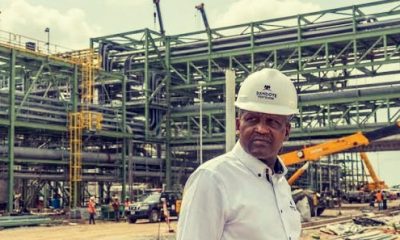
Dangote Slams Depot Owners, Marketers Over N1.5 Trillion Fuel Subsidy Demand


Nigeria’s downstream oil sector has been thrown into fresh controversy as Dangote Petroleum Refinery & Petrochemicals locked horns with the Depot and Petroleum Products Marketers Association of Nigeria (DAPPMAN) over a staggering ₦1.505 trillion subsidy demand.
Also Read: Dangote Refinery Deploys 4,000 CNG-Powered Trucks for Fuel Distribution
The disagreement highlights one of the biggest challenges facing Nigeria’s fuel supply chain logistics, distribution costs, and the ever-sensitive issue of subsidies.
The Heart of the Dispute
At the center of the battle is DAPPMAN’s request for Dangote to absorb the difference in cost between lifting products directly from the refinery gantry in Lagos and lifting through coastal logistics routes.
- Depot owners argue that multiple charges including coastal freight, Nigerian Ports Authority (NPA) fees, Nigerian Maritime Administration and Safety Agency (NIMASA) levies, and vessel pumping charges increase the landed cost of fuel by ₦75 per litre.
- With Nigeria consuming about 40 million litres of petrol (PMS) daily and 15 million litres of diesel (AGO) daily, Dangote calculated the extra burden at ₦1.505 trillion annually.
In essence, depot operators want Dangote to foot the bill, a request the refinery has branded as unsustainable and dangerous for the market.
Dangote Fires Back
Aliko Dangote’s refinery has rejected the subsidy request outright, accusing some marketers of trying to replicate the old subsidy culture that drained Nigeria’s economy for decades.
According to the company:
- No Gantry Price Increase: Dangote insists it will not adjust its gantry pricing to cover what it describes as artificial costs.
- Market Manipulation Allegations: The refinery accused certain marketers of smuggling and round-tripping, claiming some depots divert products or export them illegally while demanding protection at home.
- Capacity Assurance: Dangote claims it has enough capacity to meet domestic demand while still exporting, boasting of a 500 million litre monthly stock buffer.
In a stinging rebuke, the refinery said granting DAPPMAN’s request would be tantamount to re-introducing subsidies through the backdoor.
Marketers Strike Back
DAPPMAN has denied all allegations of smuggling and diversion, warning Dangote to either produce evidence or retract its claims.
- The association has issued a seven-day ultimatum threatening legal action if the refinery fails to substantiate its accusations.
- Marketers argue that they are being unfairly portrayed as saboteurs, and insist that the real problem lies in transparency of dispatch and loading records.
- They maintain that Dangote’s claims about daily consumption figures and supply capacity should be independently verified.
One marketer described the allegations as “an attempt to tarnish reputations and avoid addressing structural logistics issues.”
Why This Matters
Nigeria’s fuel sector has long been entangled in the politics of subsidies and deregulation. The removal of federal subsidies in 2023 left pricing to market forces, but the Dangote vs DAPPMAN clash shows how logistics costs still threaten to tilt the market.
- If Dangote holds its ground, depot owners may be forced to raise pump prices, especially outside Lagos.
- If depot owners prevail, Dangote could be pressured into a hidden subsidy, echoing the same practices that once cost Nigeria billions annually.
- Government regulators may eventually need to step in to prevent fuel scarcity or price hikes.
What to Watch
- Legal Showdown: Will DAPPMAN follow through with its lawsuit?
- Government Mediation: The Nigerian government may intervene given the political sensitivity of fuel prices.
- Consumer Impact: If depot owners pass on costs, Nigerians could see pump prices spike, particularly in the North and remote areas.
- Market Direction: This dispute may ultimately shape the future of deregulation in Nigeria’s downstream petroleum sector.
RoadKing.ng Analysis
This fight is bigger than Dangote and the marketers, it is about who controls Nigeria’s new fuel economy.
- Dangote wants to establish itself as the sole price anchor, refusing to be burdened with subsidies.
- Marketers want logistics fairness, ensuring depot operators far from Lagos aren’t disadvantaged.
- Consumers are caught in the middle, waiting to see whether deregulation truly means lower prices or yet another cycle of subsidy games.
Nigeria has been here before. The difference now is that Dangote Refinery is the single largest player in Africa’s downstream oil market. Its decisions will shape the pump price for over 200 million Nigerians.





Five Die as Truck, Car Collide on Badagry Expressway

Two Killed as Trucks Collide, Burst Into Flames on Anambra Road

Stakeholders Raise Alarm Over Safety Gaps in Nigeria’s CNG and Electric Vehicle Transition

Female Driver Dies in Tragic Road Crash at Mongoro, Ile-Zik Area of Lagos

Physically Challenged Beggar Killed in Multi-Vehicle Crash on Lagos-Ibadan Expressway

Court Bars FRSC Officials From State Roads

24 Pupils Killed in Tragic Bus Crash During School Excursion in Uganda

Tyre Blowouts on Heavy Trucks

BYD Seal EV: Can It Challenge Traditional Sedans?

Colorado to Strengthen Driver Education Requirements

Slow Down: Man got his Family Killed by neglecting road signs

Which Bridge is the Tallest in the World?
Impatient Driving Cause Road Accident
How Roads are Constructed on the Mountain
