
News Update
Dangote Refinery Deploys 4,000 CNG-Powered Trucks for Fuel Distribution

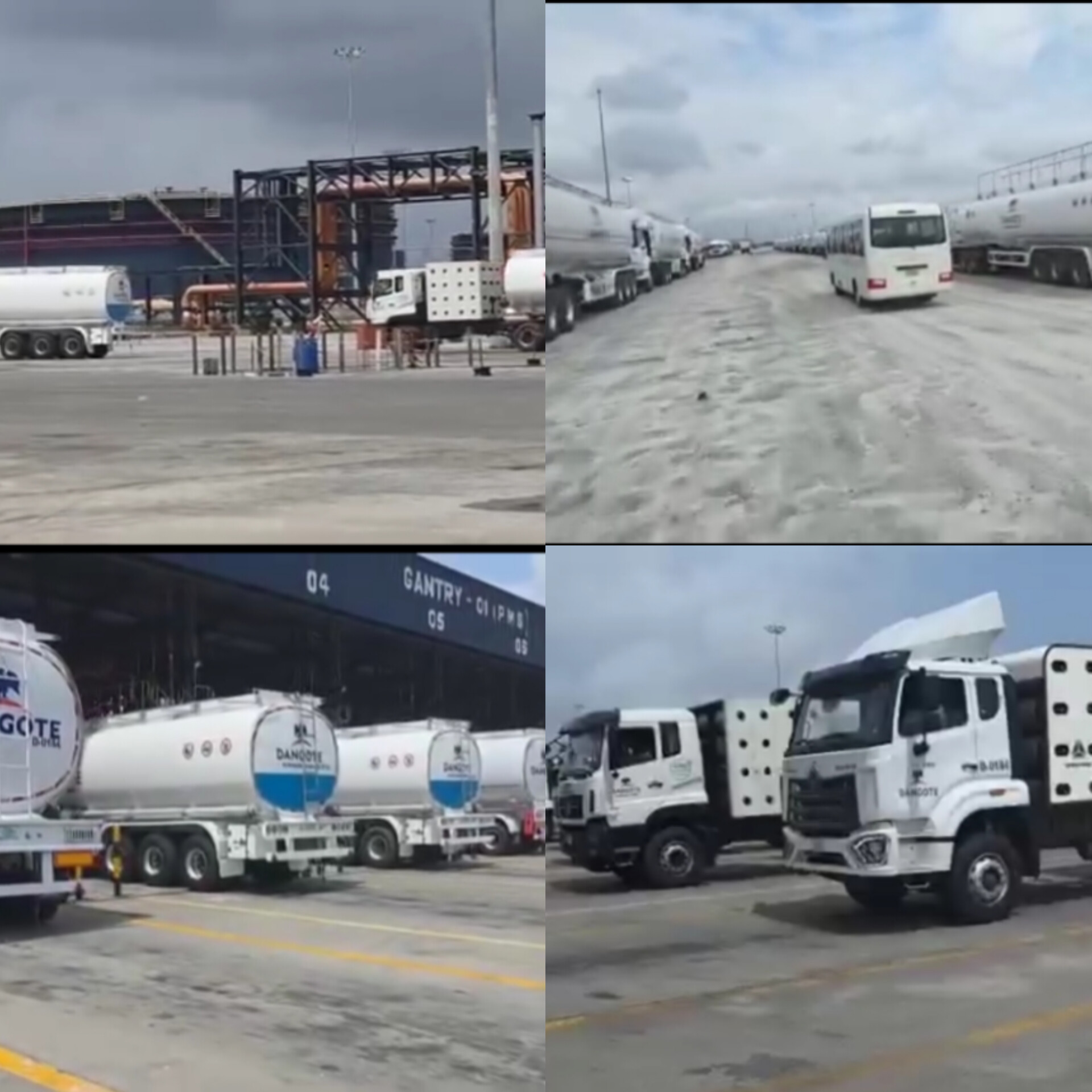
For years, Nigerians have been waiting on promises of easier fuel supply, better prices, and fewer of those long queues at petrol stations. On paper, Dangote Petroleum Refinery’s plan to invest in 4,000 Compressed Natural Gas (CNG)-powered tankers and begin direct fuel distribution from August 15, 2025 signals a major shift in how petroleum products are delivered across Nigeria.
Also Read: NUPENG Calls Off Strike After DSS-Brokered Resolution with Dangote
 This initiative is ambitious with wide implications for logistics, pricing, environment, employment, and the downstream petroleum sector. If it works as planned, it could reduce costs, improve supply stability, and lower pump prices. But success won’t be automatic; the execution will matter.
Here’s an in-depth look at what Dangote’s CNG-truck rollout involves, what Nigerians stand to gain (and potentially lose), and what to watch out for.
What the Plan Is?
According to multiple sources:
- Dangote has taken delivery / begun receiving 4,000 CNG-powered fuel tankers.
- The investment for this fleet is about ₦720 billion.
- Starting August 15, 2025, Dangote is to commence direct delivery of refined petroleum products (petrol, diesel) to filling stations, industrial users, and large-volume consumers.
- The plan is expected to save Nigerians over ₦1.7 trillion annually in fuel distribution / logistics costs.
- Dangote plans also include “mother and daughter” CNG fueling / supply infrastructure to support the fleet.
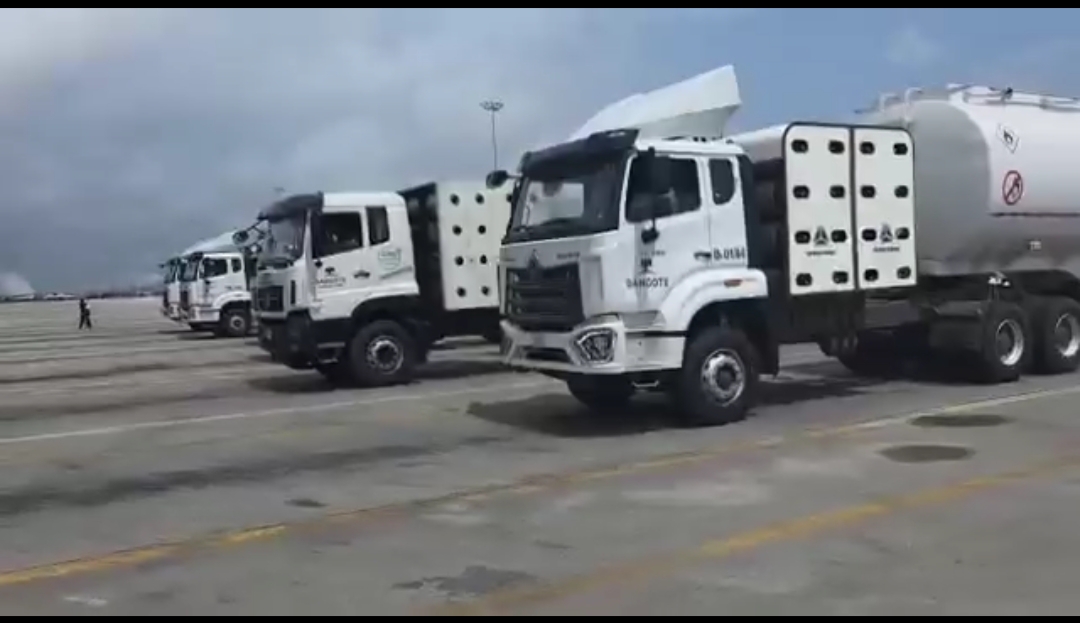
Why This Move Matters
1. Reducing Logistics Costs
Transporting fuel over long distances, often with old diesel tankers, contributes significantly to the pump price. By using CNG-powered trucks (which are generally cheaper to run per kilometer due to cheaper fuel cost, and potentially lower maintenance in some cases), Dangote aims to absorb a big chunk of the distribution expense over ₦1.07 trillion annually as estimated.
Eliminating or reducing “middlemen” in transport can also reduce mark-ups. If Dangote delivers directly to filling stations and industrial consumers, those savings may filter down.
2. Improving Supply Stability & Efficiency
With its own fleet, Dangote can better plan deliveries, avoid the delays and inefficiencies that characterize outsourcing logistics to third parties, and ensure more predictable supply to the market. This could help reduce stock-outs and “fuel scarcity” from transport or supply chain breakdowns.
3. Environmental & Energy Policy Impacts
CNG trucks emit less particulate matter, less sulphur dioxide, and lower carbon emissions than older diesel tankers. This aligns with Nigeria’s broader policy interest in cleaner energy, including the “Decade of Gas” plan and other programs promoting gas use.
4. Economic & Social Benefits
- Over 42 million MSMEs are expected to gain from lower energy / fuel costs.
- Job creation: There are estimates of 15,000 direct jobs in the logistics value chain (drivers, station managers, attendants, maintenance, etc.).
- Revitalization of dormant filling stations: Some stations that were unprofitable or under-supplied may become viable as distribution becomes more efficient.
The Numbers: Consumption, Savings & Scale
To understand the scale, here are key figures:
- Daily consumption target: 65 million litres of refined products. This includes roughly 45 million litres of Premium Motor Spirit (PMS), 15 million litres of diesel, and 5 million litres of aviation fuel.
- Estimated yearly savings for Nigeria: ₦1.7 trillion from reduced logistics costs.
- Investment by Dangote: around ₦720 billion.
- Trucks to be supplied through ports: imported via Apapa Port and received in Lagos / Ibeju-Lekki.
 Challenges & Potential Risks
 Challenges & Potential Risks
While the benefits are numerous, there are several risks and challenges:
A. Reliability of CNG Infrastructure
CNG-powered trucks require reliable access to compressed natural gas fueling stations or CNG supply infrastructure. If the “mother and daughter” CNG station network isn’t working well or doesn’t have capacity, trucks may face downtime or detours.
B. Truck Performance & Maintenance
CNG engines may require different maintenance regimes. If mechanics aren’t well-trained or spare parts are not available, maintenance costs could be higher than anticipated.
C. Initial Capital Outlay
₦720 billion is a large upfront investment. If returns (via savings, price reductions, efficiency gains) are delayed, there may be pressure on Dangote to absorb costs, which could affect profitability or lead to delays in full roll-out.
D. Regulatory / Bureaucratic / Operational Barriers
- Numbering and registration of trucks must be completed for legal road operations.
- Regulatory oversight: ensuring safety, roadworthiness of these vehicles, certifying CNG systems.
- Logistics of routing: how to schedule deliveries, manage loading and unloading, avoid congestion.
E. Impact on Existing Market Players
Traditional fuel transporters, tanker owners, middlemen, depot owners may be upset or economically affected. Their businesses may see reduced demand, potentially leading to pushback or conflicts.
F. Price Pass-Through & Consumer Benefit
Even if distribution costs fall, the key question is: will consumers see lower pump prices? Or will savings get retained somewhere in the supply chain? Will Dangote and retailers pass on savings? Price regulation and market competition will influence this.
Stakeholder Reactions
- Dangote Industries: Emphasizing that this is part of their logistics overhaul, pushing for more efficiency and reducing costs. Company spokespeople have expressed confidence that customers will benefit from improved fuel availability and lower transportation mark-ups.
- IPMAN (Independent Petroleum Marketers Association of Nigeria): IPMAN supports the goal of lower costs and better supply, but has raised the issue of numbering (registering) the trucks. They noted some delays but believe the move will help reduce unnecessary middlemen costs.
- Experts / Observers: Many view it as a bold and innovative move, particularly for the downstream sector which has long struggled with distribution inefficiencies. There are also observers who caution that success depends heavily on governance, maintenance, and infrastructure support.
 Outlook: What to Expect in Coming Months
 Outlook: What to Expect in Coming Months
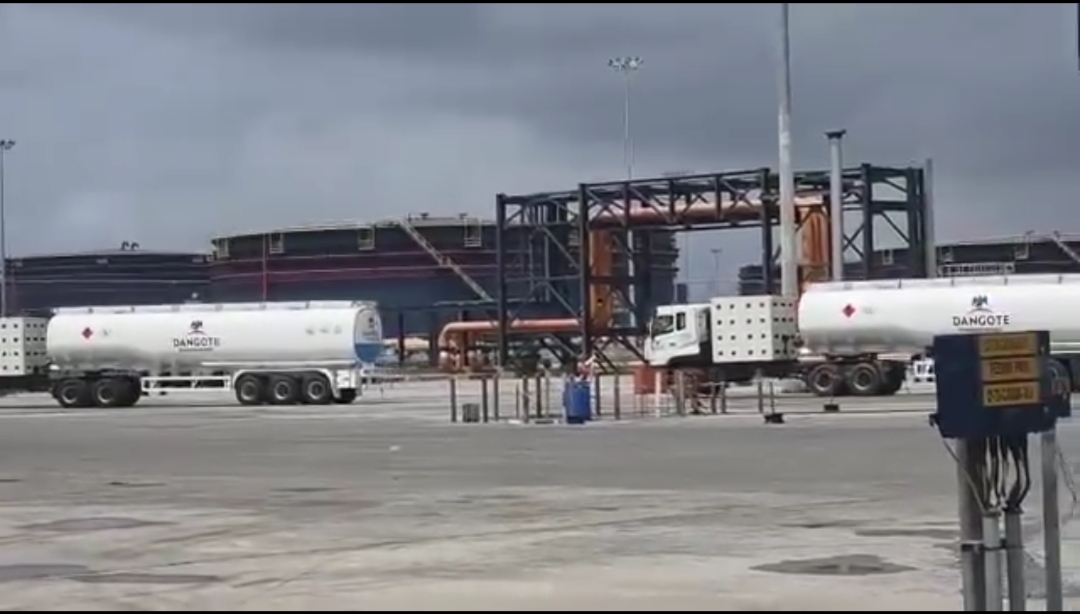
- As of now, some of the trucks have been delivered and received (at Ibeju-Lekki for example)
- Numbering/registration processes are underway. Once completed, deployment should fast-track.
- We should see the first rounds of direct deliveries to filling stations and industrial consumers beginning mid-August 2025.
- Monitoring will be needed: fuel availability, price movements, reliability, and whether the trucks maintain the CNG standard.
What Nigerians Should Demand / FAQs
To ensure the rollout delivers value, Nigerians may want to ask:
- Will pump prices go down?
Dangote claims so, but this depends on whether cost savings are shared. - Are these trucks safe & certified?
How has safety of CNG systems been proven? Will drivers be trained properly? - How reliable are CNG stations across all states?
Fueling infrastructure must reach both urban and rural areas. - What about environmental benefits?
What metrics will be used to measure emissions reduction? Is there oversight? - Impact on existing stakeholders?
How are current transporters / marketers being integrated or compensated?
RoadKing Analysis: Is This a Game-Changer?
This initiative has the potential to reshape the downstream petroleum sector in Nigeria, for several reasons:
- It addresses one of the costliest parts of fuel pricing: logistics. If the trucks run reliably, and infrastructure supports them, savings can be real.
- Helps reduce carbon footprint and aligns with cleaner energy goals. While not zero emissions, CNG is a cleaner alternative to many diesel tankers on the road.
- Could reduce fuel scarcity and haphazard pricing in remote or underserved areas, since Dangote can plan direct distribution routes.
- May reduce smuggling / adulteration of fuel in transit, because there is more control over the supply chain.
However, the full benefits hinge on execution. Weak regulation, delays, infrastructure gaps, or failure to pass savings to consumers could undermine the potential.
Conclusion
Dangote Refinery’s deployment of 4,000 CNG-powered trucks is one of the boldest moves seen recently in Nigeria’s downstream oil sector. If implemented well, it could lower pump prices, reduce logistics costs, create jobs, improve supply reliability, and boost environmental outcomes.
For Nigerians tired of fuel scarcity, high transportation surcharges, and inconsistent supply, this initiative holds promise. But vigilance will be required by government bodies, civil society, consumers to ensure the promise becomes real.

Five Die as Truck, Car Collide on Badagry Expressway

Two Killed as Trucks Collide, Burst Into Flames on Anambra Road

Stakeholders Raise Alarm Over Safety Gaps in Nigeria’s CNG and Electric Vehicle Transition

Female Driver Dies in Tragic Road Crash at Mongoro, Ile-Zik Area of Lagos

Physically Challenged Beggar Killed in Multi-Vehicle Crash on Lagos-Ibadan Expressway

Court Bars FRSC Officials From State Roads

24 Pupils Killed in Tragic Bus Crash During School Excursion in Uganda

Tyre Blowouts on Heavy Trucks

BYD Seal EV: Can It Challenge Traditional Sedans?

Colorado to Strengthen Driver Education Requirements

Slow Down: Man got his Family Killed by neglecting road signs

Which Bridge is the Tallest in the World?
Impatient Driving Cause Road Accident
How Roads are Constructed on the Mountain

Texas, USA suffers heavy flooding