
Articles
How FRSC Is Rewriting Nigeria’s Road Safety Rulebook


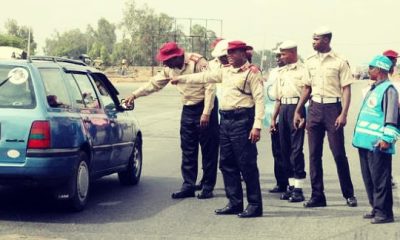
When Nigerians think about road safety, images of reflective-vested officers standing under the scorching sun or rain often come to mind. But what many don’t realise is that behind those roadside checkpoints lies a complex, highly coordinated web of targeted patrols and special operations strategies designed to tackle the country’s most dangerous traffic violations head-on.
Also Read: Nigeria’s 10 Deadliest Roads in 2025: FRSC Data & Community Reports
The Federal Road Safety Corps (FRSC) has evolved over the decades from a small enforcement unit to one of Africa’s most sophisticated traffic policing agencies. Its Targeted Patrols and Special Operations approach is at the heart of this transformation, blending intelligence gathering, seasonal safety campaigns, and tactical deployments to reduce fatalities on Nigerian roads.
1. The Evolution of Targeted Patrols in Nigeria
The FRSC’s targeted patrol strategy didn’t start as a fully fleshed-out plan—it grew out of necessity. By the late 1980s, Nigerian roads had become notorious for high fatality rates, with the country recording one of the worst road death statistics in the world per capita. The Corps realised that random patrols were not enough, there needed to be a data-driven enforcement system.
Today, targeted patrols are guided by:
- Crash Data Analysis: Using accident blackspot mapping to deploy officers in high-risk corridors such as the Abuja–Lokoja, Benin–Ore, and Lagos–Ibadan highways.
- Time-Based Risk Profiling: Intensifying patrols during peak travel times, festive seasons, market days, or public holidays—when traffic density and violations spike.
- Offence Trends Monitoring: Tracking emerging infractions such as phone use while driving, unroadworthy vehicles, and failure to install speed limiters.
2. Anatomy of a Special Operation
Special operations are not just random crackdowns, they are mission-focused campaigns aimed at addressing one or two specific problems at a time. Some of the most notable include:
- Operation Cobra: Targeting drivers under the influence of alcohol or drugs.
- Operation Shield: Zero tolerance for seatbelt and helmet violations.
- Operation Isangtim: Recently launched in Cross River to curb speed-induced offences.
- Operation Zero Tolerance: A national end-of-year campaign tackling multiple offences to reduce December–January crash surges.
Each operation is preceded by intensive public awareness drives, from radio jingles to social media alerts, ensuring that enforcement is backed by education.
3. Tools and Tactics Used in Patrols
The FRSC’s enforcement toolbox is growing increasingly sophisticated:
- Breathalysers for real-time alcohol testing.
- Radar Guns for speed detection.
- Mobile Patrol Vehicles with flashing amber lights for visibility and deterrence.
- Handheld Ticketing Devices linked to a central database to prevent duplicate or fraudulent citations.
- Body Cameras (in pilot stages) to enhance transparency and protect both officers and motorists from false accusations.
4. Why Targeted Patrols Work
The philosophy behind targeted patrols is simple: limited resources, maximum impact. Instead of scattering officers everywhere, FRSC focuses on the most dangerous areas, times, and offences. This allows:
- Better Crash Prevention: Officers are positioned where accidents are most likely to occur.
- Higher Violation Detection Rates: Concentrated patrols catch more offenders per deployment.
- Increased Public Deterrence: Visible enforcement in high-risk areas makes other drivers think twice.
5. Challenges in Implementation
Despite its success, the strategy faces obstacles:
- Officer Safety: Some targeted zones are high-crime areas, exposing FRSC teams to assault.
- Corruption Attempts: Drivers often try to bribe their way out of penalties.
- Resource Limitations: Nigeria’s vast road network and limited patrol vehicles mean many dangerous spots still go unmonitored.
- Driver Hostility: Some motorists see patrols as a nuisance rather than lifesaving measures.
6. Success Stories & Measurable Impact
- December 2023 Festive Patrols: A nationwide Operation Zero Tolerance reportedly cut fatal crashes by 21% compared to the previous year.
- Cross River’s Operation Isangtim: Within its first month, over 600 violations were recorded, with speeding dropping by 15% along major corridors.
- Seatbelt Compliance: National seatbelt usage improved from 35% in 2010 to over 60% in 2024 due in part to targeted enforcement.
7. The Future of Targeted Enforcement
The FRSC is now moving towards AI-supported surveillance and real-time traffic analytics to predict violations before they happen. Plans are underway to integrate:
- Drone Monitoring for aerial patrols in hard-to-reach rural areas.
- AI Speed Cameras linked to central violation databases.
- Predictive Patrol Models based on live traffic and weather feeds.
Conclusion: A Smarter, Sharper Road Safety Model
Targeted patrols and special operations are proving that enforcement, when smartly executed, saves lives. While challenges persist, the FRSC’s evolving tactics are positioning Nigeria to meet its goal of reducing road traffic deaths by 50% in line with the UN Decade of Action for Road Safety.







Five Die as Truck, Car Collide on Badagry Expressway

Two Killed as Trucks Collide, Burst Into Flames on Anambra Road

Stakeholders Raise Alarm Over Safety Gaps in Nigeria’s CNG and Electric Vehicle Transition

Female Driver Dies in Tragic Road Crash at Mongoro, Ile-Zik Area of Lagos

Physically Challenged Beggar Killed in Multi-Vehicle Crash on Lagos-Ibadan Expressway

Court Bars FRSC Officials From State Roads

24 Pupils Killed in Tragic Bus Crash During School Excursion in Uganda

Tyre Blowouts on Heavy Trucks

BYD Seal EV: Can It Challenge Traditional Sedans?

Colorado to Strengthen Driver Education Requirements

Slow Down: Man got his Family Killed by neglecting road signs

Which Bridge is the Tallest in the World?
Impatient Driving Cause Road Accident
How Roads are Constructed on the Mountain

Texas, USA suffers heavy flooding