
Driving Tips
The 7-Second Rule: The Life-Saving Driving Habit Most Nigerians Ignore

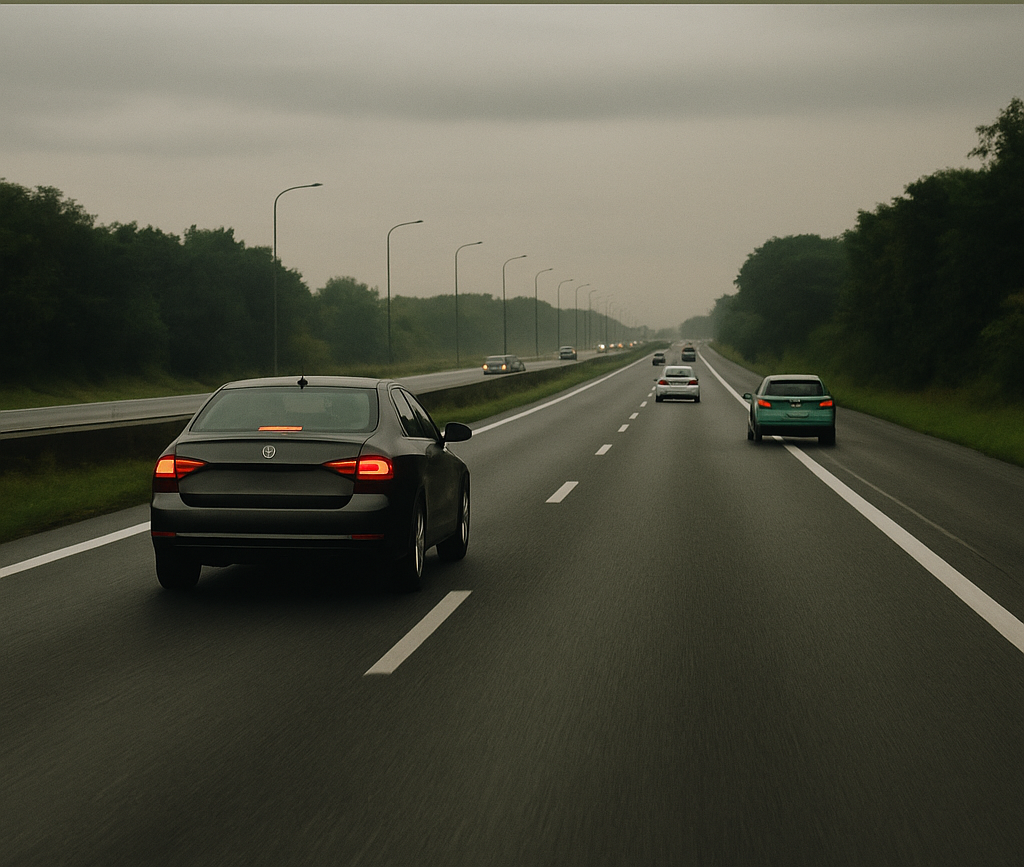
On Nigeria’s highways, accidents happen in seconds. A driver in front slams their brakes, a motorcycle cuts across the lane, or a heavy truck suddenly swerves to avoid a pothole. In these moments, your survival often depends on one simple but powerful habit, the 7-Second Rule.
Also Read: Impatient Driving Cause Road Accident
While many motorists are familiar with the “2-second” or “3-second” following distance taught in driving schools, the 7-second rule goes further. It’s a defensive driving technique designed for high-risk environments like Nigerian roads, where unpredictability is the norm.
In this article, we explore what the 7-second rule is, why it saves lives, and how Nigerian drivers can start using it immediately.
What is the 7-Second Rule?
The 7-second rule is a defensive driving guideline that means:
You should always allow at least 7 seconds of reaction time between your vehicle and the one ahead in risky conditions (rain, fog, night driving, or poor roads).
This isn’t just about comfort, it’s about safety. A 7-second gap gives you time to brake, swerve, or stop completely if the unexpected happens.
Why Nigerian Roads Require More Than the 2-Second Rule
In developed countries, 2–3 seconds may be enough. But Nigeria’s unique conditions make the 7-second rule more practical:
- Bad Roads: Sudden potholes and uneven surfaces require extra space.
- Unpredictable Traffic: Okadas, tricycles, and pedestrians often appear suddenly.
- Heavy Vehicles: Tankers, trailers, and buses brake slower than smaller cars.
- Weather Conditions: Rain and floods reduce tyre grip and increase stopping distance.
How the 7-Second Rule Works in Real Life
- Step 1: Choose a fixed landmark ahead (road sign, tree, pole).
- Step 2: When the car in front passes it, start counting: “One thousand one… one thousand seven.”
- Step 3: Your vehicle should pass the same landmark after you’ve finished counting to seven.
The Science Behind It
According to the Federal Road Safety Corps (FRSC), the average driver’s reaction time is 1.5 seconds. Braking distance increases exponentially with speed, especially on wet or rough roads.
- At 100 km/h in rain: braking distance ≈ 75-90 meters.
- At 100 km/h in dry conditions: braking distance ≈ 50-60 meters.
Seven seconds ensures enough distance to avoid collisions.
Case Studies
- Benin-Ore Expressway (2024): A multiple-vehicle pile-up involved 5 cars and 2 trucks. Witnesses confirmed that tailgating was a major cause; those who kept a wider gap avoided the crash.
- Abuja-Lokoja Road (2023): A sudden tyre burst on a trailer caused chaos. Cars with enough following distance stopped safely without collision.
Common Mistakes Nigerians Make
- Misjudging Speed: Drivers often underestimate how long it takes to stop at high speed.
- Overconfidence: Belief that experience or good brakes alone can prevent crashes.
- Pressure from Other Drivers: Impatient motorists tailgate, forcing unsafe gaps.
How to Practice the 7-Second Rule
- Start applying it on expressways immediately.
- Use even longer gaps at night or in heavy rain.
- Ignore pressure from impatient drivers behind you — safety comes first.
Conclusion
In a country where road accidents claim thousands of lives annually, the 7-second rule is a small habit with a huge impact. Whether you drive a sedan, bus, or truck, keeping extra space is one of the simplest, cheapest, and most effective ways to stay safe.
Citations
- Federal Road Safety Corps. (2024). Safe Driving Practices Report. FRSC.gov.ng
- World Health Organization. (2023). Global Road Safety Report – Africa Edition. WHO.int




Five Die as Truck, Car Collide on Badagry Expressway

Two Killed as Trucks Collide, Burst Into Flames on Anambra Road

Stakeholders Raise Alarm Over Safety Gaps in Nigeria’s CNG and Electric Vehicle Transition

Female Driver Dies in Tragic Road Crash at Mongoro, Ile-Zik Area of Lagos

Physically Challenged Beggar Killed in Multi-Vehicle Crash on Lagos-Ibadan Expressway

Court Bars FRSC Officials From State Roads

24 Pupils Killed in Tragic Bus Crash During School Excursion in Uganda

Tyre Blowouts on Heavy Trucks

BYD Seal EV: Can It Challenge Traditional Sedans?

Colorado to Strengthen Driver Education Requirements

Slow Down: Man got his Family Killed by neglecting road signs

Which Bridge is the Tallest in the World?
Impatient Driving Cause Road Accident
How Roads are Constructed on the Mountain

Texas, USA suffers heavy flooding