
Articles
Driving in the Rain: 10 Deadly Mistakes Nigerian Motorists Make Without Realizing

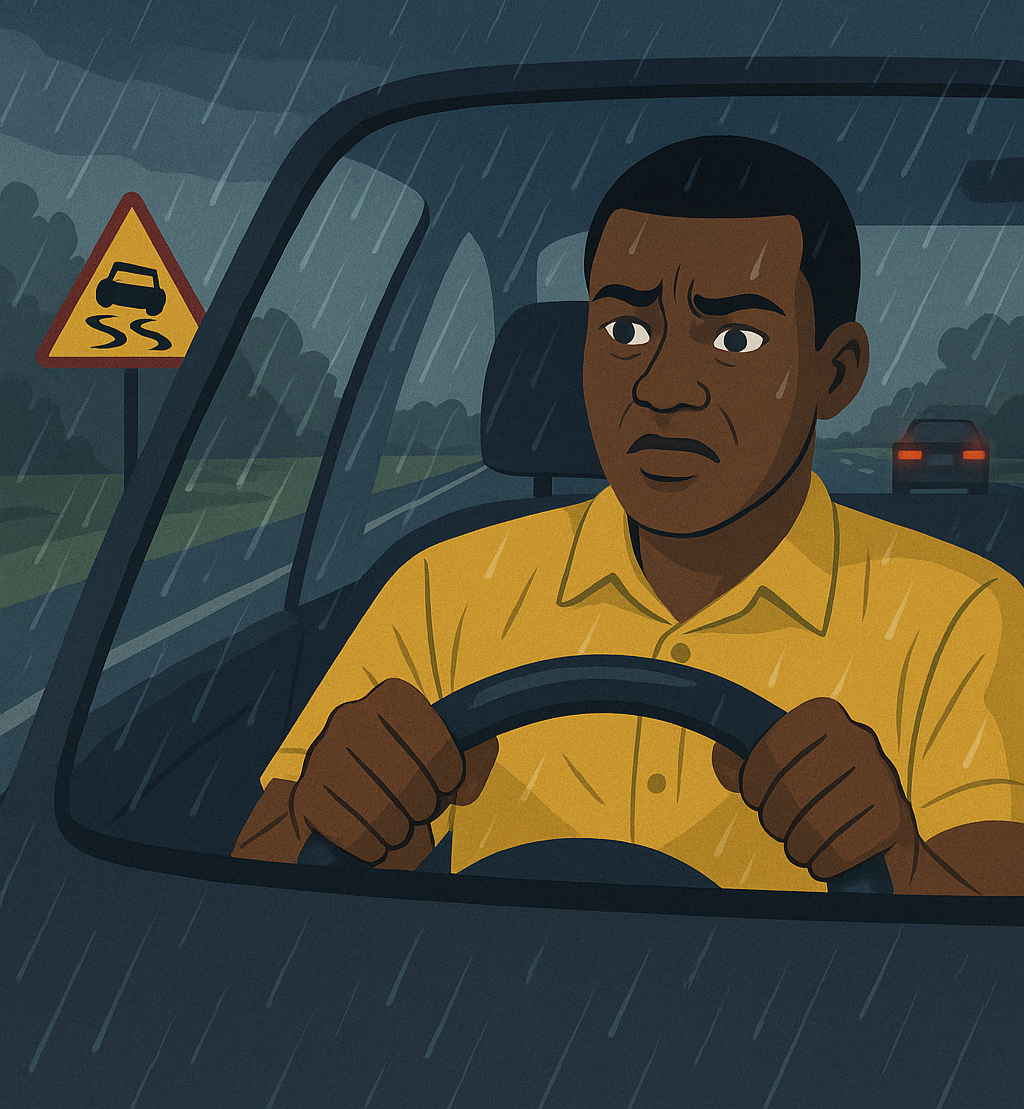
In Nigeria, the rainy season brings more than just relief from heat, it also ushers in one of the most dangerous driving periods of the year.
Also Read: Why a Rainy Season Road Safety Campaign Is Urgently Needed in Nigeria
Between June and September, accident rates spike by as much as 20% nationwide, according to the Federal Road Safety Corps (FRSC) . Flooded highways, worn-out tyres, and impatient drivers create a deadly mix.
Unfortunately, many motorists underestimate the risks of rain-soaked roads, making critical mistakes that could cost them their lives or the lives of others.
This article takes a deep dive into 10 common mistakes Nigerian drivers make in the rain and how to avoid them. Whether you drive in Lagos, Abuja, Port Harcourt, or on the East–West Road, understanding these hazards can save you from a potentially fatal crash.
Ignoring Worn-Out Tyres
Many Nigerian drivers run their tyres until the treads are almost bald. During heavy rain, bald tyres lose traction easily, increasing the risk of hydroplaning—a dangerous condition where the car glides uncontrollably on water.
- Pro Tip: Ensure tyre treads are at least 1.6mm deep. Replace tyres showing cracks or uneven wear.
Overconfidence in Speed
Rain doesn’t just reduce visibility, it changes braking dynamics. At 80 km/h in wet conditions, your braking distance can almost double. Unfortunately, many motorists continue driving at dry-weather speeds, misjudging stopping distances.
- Pro Tip: Reduce speed by at least 20–30% in heavy rain to maintain control.
Poor Windshield Maintenance
A common oversight is driving with old, streaking wiper blades. In a storm, poor wipers turn your windshield into a blur, making accidents inevitable.
- Pro Tip: Replace wiper blades every 6–12 months. Keep washer fluid topped up for quick cleaning.
Driving Through Deep Floodwater
From Lekki’s Admiralty Way to parts of Ajah and Ikorodu, Lagos floods notoriously during heavy rain. Yet, drivers still push their cars through knee-deep water, risking engine hydrolock and brake failure.
- Pro Tip: Avoid water deeper than your exhaust pipe. Wait for water levels to drop or use alternative routes.
Tailgating
In the rain, following too closely can be fatal. Slippery roads reduce tyre grip, meaning even anti-lock braking systems (ABS) need more distance to stop safely.
- Pro Tip: Double your following distance, keep at least four seconds between you and the vehicle ahead.
Using Hazard Lights While Moving
Many Nigerian drivers mistakenly believe hazard lights help during rain. In reality, it confuses other road users because hazard lights suggest a stationary or disabled vehicle.
- Pro Tip: Use low-beam headlights in rain, not hazards, unless you’re stopped on the roadside.
Poor Brake Maintenance
Brake pads worn thin are dangerous in dry weather, add rain, and the stopping ability worsens drastically.
- Pro Tip: Inspect brakes every 10,000 km. Listen for squealing or grinding noises as early warning signs.
Overlooking Defogging
Rain often fogs up windshields, especially when the air inside is warm. Many motorists struggle with poor visibility simply because they don’t know how to defog properly.
- Pro Tip: Use your car’s defogger or air conditioner to clear windows. Keep a microfiber cloth handy for emergencies.
Braking Suddenly on Curves
Sharp turns in wet conditions are a recipe for disaster. Sudden braking can make tyres lose grip, causing spins or collisions.
- Pro Tip: Slow down before entering curves, then maintain steady speed through the turn.
Distracted Driving in Bad Weather
From texting to adjusting the radio, distractions are deadly in the rain. A split-second delay in reaction can mean losing control on a wet road.
- Pro Tip: Focus entirely on the road. Keep both hands on the wheel.
Conclusion
Rain doesn’t have to be a death sentence for Nigerian drivers. By avoiding these 10 common mistakes, maintaining your tyres, slowing down, ensuring visibility, and respecting the conditions, you significantly improve your safety. Remember, defensive driving in rain is not just about protecting yourself, but also every other road user.

Three Killed in Deadly Crash on Betul Road in Madhya Pradesh

One Killed, Three Injured After Truck Rams Tricycle at Epe Junction
Truck Driver Dies in Fatal Head-On Crash on Calabar–Itu highway
Six Passengers Killed in Fatal Road Crash Along Keffi–Akwanga

Pedestrian Struck & Killed on Kamo Road in Whangārei, New Zealand

UAE Road Safety Alert During Ramadan 2026
Five Killed as Fuel Tanker Crushes Tricycle in Bayelsa

Traffic Delays Hit North Texas After Multiple Highway Accidents
Mother, Son Survive Horrific SUV Overturn Crash in Lagos
Sixteen Killed in Fiery Bus–Truck Collision in Yemen

Dozens Injured in Two Separate Bus Crashes in Israel’s Negev

Minibus Drivers Block Roads in Calabar Over ₦700 Daily Ticket Fees

Social Media Influencer Dies After Losing Control on French Motorway
Mother, Son Survive Horrific SUV Overturn Crash in Lagos

FRSC Deploys Mobile Speed Enforcement Units Across Nigerian Highways
Truck Driver Dies in Fatal Head-On Crash on Calabar–Itu highway

Essential Road Safety Tips Every Traveler Must Know in 2026
One Dead After Vehicle Collides With Train in United States

Slow Down: Man got his Family Killed by neglecting road signs

Which Bridge is the Tallest in the World?
Impatient Driving Cause Road Accident
How Roads are Constructed on the Mountain

Texas, USA suffers heavy flooding