
Car/Vehicle Maintenance
How to identifying accelerator issues

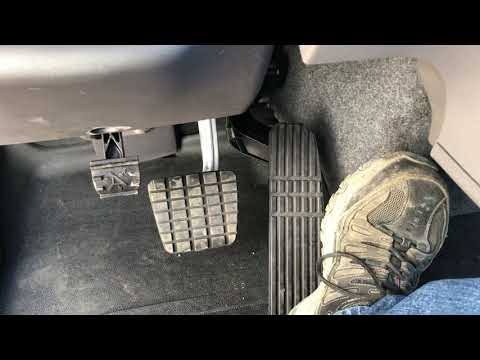
The accelerator position sensor is a crucial component in modern vehicles, responsible for transmitting data about the position of the accelerator pedal to the engine control unit (ECU).
When this sensor malfunctions, it can lead to various performance issues.
This article aims to guide you through the process of spotting and fixing a faulty accelerator position sensor.
Signs of a Faulty Accelerator Position Sensor
1. Unresponsive Acceleration
If you notice a delay or lack of response when pressing the accelerator pedal, it could indicate a problem with the sensor.
2. Inconsistent Speed
Fluctuations in vehicle speed without corresponding changes in pedal input may signal a malfunction in the accelerator position sensor.
3. Poor Fuel Efficiency
A faulty sensor may disrupt the fuel-to-air ratio, leading to decreased fuel efficiency.
4. Check Engine Light
The illumination of the check engine light is a common indicator of sensor issues.
However, it’s essential to conduct a thorough diagnosis to pinpoint the specific problem.
Diagnosing a Faulty Accelerator Position Sensor
1. OBD-II Scanner
Use an OBD-II scanner to retrieve error codes from the vehicle’s ECU. Specific codes related to the accelerator position sensor, such as P2121 or P2138, can provide valuable information.
2. Visual Inspection
Examine the wiring and connections associated with the accelerator position sensor. Loose or damaged wires may contribute to sensor malfunctions.
3. Throttle Response Test
Conduct a throttle response test by observing how quickly the vehicle responds to changes in accelerator pedal input. Inconsistencies in response may point to a sensor issue.
Fixing a Faulty Accelerator Position Sensor
1. Sensor Replacement
If the accelerator position sensor is confirmed as faulty, replacement is often the most effective solution. Ensure you use a compatible and high-quality replacement sensor.
2. Wiring Repair
If the issue lies in damaged or loose wiring, repair or replace the affected sections. Properly secure all connections to ensure reliable sensor operation.
3. Cleaning Throttle Body
In some cases, carbon buildup on the throttle body can affect sensor performance. Cleaning the throttle body may improve sensor accuracy and responsiveness.
4. Reprogramming or Calibration
After sensor replacement, some vehicles may require reprogramming or recalibration of the ECU to ensure accurate sensor readings.
Preventive Measures
1. Regular Maintenance
Include the accelerator position sensor in your vehicle’s regular maintenance schedule to detect and address potential issues early.
2. Quality Replacement Parts
When’s my replacing the sensor, opt for high-quality, OEM or equivalent parts to ensure reliability and compatibility.
3. Safe Driving Practices
Gentle and gradual acceleration can reduce stress on the sensor and contribute to its longevity.
In conclusion, a faulty accelerator position sensor can significantly impact vehicle performance.
Recognizing the signs of a malfunction, conducting a thorough diagnosis, and addressing the issue promptly are crucial steps in ensuring the smooth operation of your vehicle.
Whether through sensor replacement, wiring repair, or other measures, taking proactive steps can help maintain optimal accelerator sensor function and overall vehicle performance.



Two Separate Highway Crashes Leave One Dead, Several Injured in Katsina

Victor Osimhen Reportedly Buys ₦1.4 Billion Lamborghini Revuelto Supercar

Truck Crash Kills Three After Collision With Parked Trailer in Kano

3 Killed, 6 Injured in Multiple-Vehicle Crash on Lagos–Abeokuta Expressway

Multi-Vehicle Crash Causes Fire and Gridlock on Admiralty Way, Lagos
Two Killed in Multi-Vehicle Crash Involving Truck, Bus and Motorcycle
Seven Killed, Eight Injured in Pakistan Makran Coastal Highway Crash
1 Killed as Speeding Bike Loses Control in Trichy

Kenya Report Reveals Heavy Cost of Road Traffic Injuries on Healthcare System

Serious Two‑Vehicle Crash in South Burnett, Australia
Serious Two‑Vehicle Crash in South Burnett, Australia
Seven Killed, Eight Injured in Pakistan Makran Coastal Highway Crash
Kenya Report Reveals Heavy Cost of Road Traffic Injuries on Healthcare System
Multi-Vehicle Crash Causes Fire and Gridlock on Admiralty Way, Lagos
Victor Osimhen Reportedly Buys ₦1.4 Billion Lamborghini Revuelto Supercar
1 Killed as Speeding Bike Loses Control in Trichy
3 Killed, 6 Injured in Multiple-Vehicle Crash on Lagos–Abeokuta Expressway
Two Killed in Multi-Vehicle Crash Involving Truck, Bus and Motorcycle
Truck Crash Kills Three After Collision With Parked Trailer in Kano
Two Separate Highway Crashes Leave One Dead, Several Injured in Katsina

Slow Down: Man got his Family Killed by neglecting road signs

Which Bridge is the Tallest in the World?
Impatient Driving Cause Road Accident
How Roads are Constructed on the Mountain

Texas, USA suffers heavy flooding