
Car/Vehicle Maintenance
How to identify original car tyres

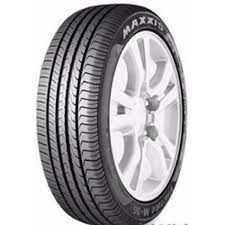
When it comes to maintaining the safety and performance of your vehicle, ensuring that you have genuine and high-quality tyres is crucial.
Counterfeit or substandard tyres can compromise your safety on the road.
This article will provide you with a detailed guide on how to identify original car tyres, allowing you to make informed choices and safeguard your driving experience.
1. Brand Verification
Start by verifying the brand of the tyres.
Original equipment manufacturers (OEMs) have a reputation for producing high-quality products.
Check for the brand’s official website or contact the manufacturer directly to confirm the authenticity of the tyre model you are considering.
2. Tread Patterns and Depth
Original tyres from reputable manufacturers have unique tread patterns designed for specific performance characteristics.
Compare the tread pattern of the tyre you are inspecting with images and specifications provided by the manufacturer.
Additionally, measure the tread depth using a tread depth gauge to ensure it meets the recommended levels.
3. Tire Markings and Labels
Genuine tyres come with specific markings and labels that convey essential information.
Look for the Department of Transportation (DOT) code, which includes the manufacturing date, and ensure it adheres to the standardized format.
Check for other markings, such as load index, speed rating, and country of origin, which should align with the manufacturer’s specifications.
4. Sidewall Information:
Examine the sidewall of the tyre for detailed information.
Original tyres display the manufacturer’s name, tyre model, size, and other relevant specifications.
Counterfeit tyres may have misspelled words, blurry markings, or irregularities in the font, indicating potential fakes.
5. Uniformity of Construction
Inspect the tyre’s construction for uniformity. Original tyres maintain consistent rubber thickness and overall build quality.
Irregularities such as bulges, deformities, or uneven sidewalls may indicate substandard manufacturing and could compromise the tyre’s performance and safety.
6. Check for Homologation Codes
Some premium tyres have homologation codes, indicating that they meet specific standards set by vehicle manufacturers.
Verify these codes with the manufacturer to confirm the tire’s authenticity and its suitability for your vehicle.
7. Purchase from Authorized Dealers
To minimize the risk of buying counterfeit tyres, always purchase from authorized dealers or reputable tire retailers.
Authorized dealers receive products directly from the manufacturers, ensuring the authenticity and quality of the tyres.
In conclusion, identifying original car tyres requires a combination of careful inspection, knowledge of tire markings, and purchasing from trustworthy sources.
By following these guidelines, you can confidently select genuine tyres that meet the safety and performance standards set by reputable manufacturers.
Remember, investing in authentic tyres is an investment in the safety and longevity of your vehicle.












5 Dangerous Reasons Drivers Fall Asleep Behind the Wheel

Young Female Driver Trapped After Early Morning Crash in Buies Creek

Motorcyclist Killed in High-Speed Collision Involving SUV in Dunn Area

Multiple Feared Dead After Horrific Bus-Tanker Collision in India

Tourist Bus Rollover on Australia’s Bruce Highway Kills Passenger, Several Injured

Global Road Safety Concerns Intensify After Multiple Deadly Crashes Across Continents

U.S. Traffic Deaths Decline in 2025 But Dangerous Driving Still Alarms Experts

16 Killed as Passenger Bus Plunges Under Bridge Along Lokoja-Okene Highway

Florida Horror Crash Leaves 3 Dead, 5 Critically Injured in Head-On Collision on State Road 40

4 CRUTECH Students, Driver Killed in Fatal Cross River Crash

Slow Down: Man got his Family Killed by neglecting road signs

Which Bridge is the Tallest in the World?
Impatient Driving Cause Road Accident
How Roads are Constructed on the Mountain

Texas, USA suffers heavy flooding