
News Update
How Turkey Is Using Real Wrecked Cars to Warn Drivers

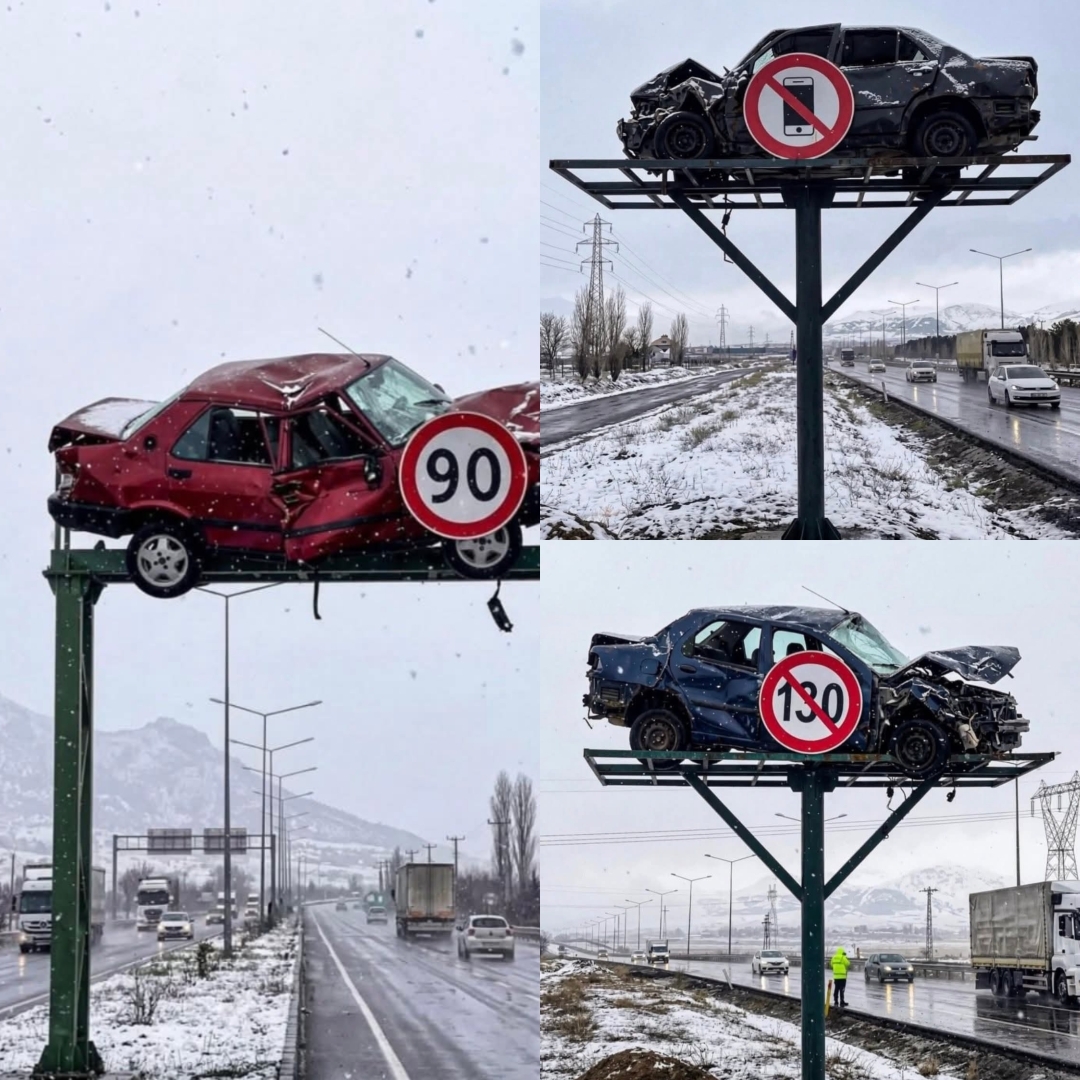
In an unconventional but highly effective road safety campaign, Turkey has adopted a striking approach to reducing traffic accidents, placing real wrecked vehicles along highways and major roads as permanent warning signs to motorists.
Also Read:
- Delhi Road Safety Experts Advocate 30 km/h Limits in High-Risk Zones
- Dubai Rolls Out Long-Range Electric Buses in Major Push for Green Public Transport
Unlike traditional billboards or speed limit signs that drivers often ignore, these crushed vehicles serve as powerful visual reminders of what reckless driving can lead to.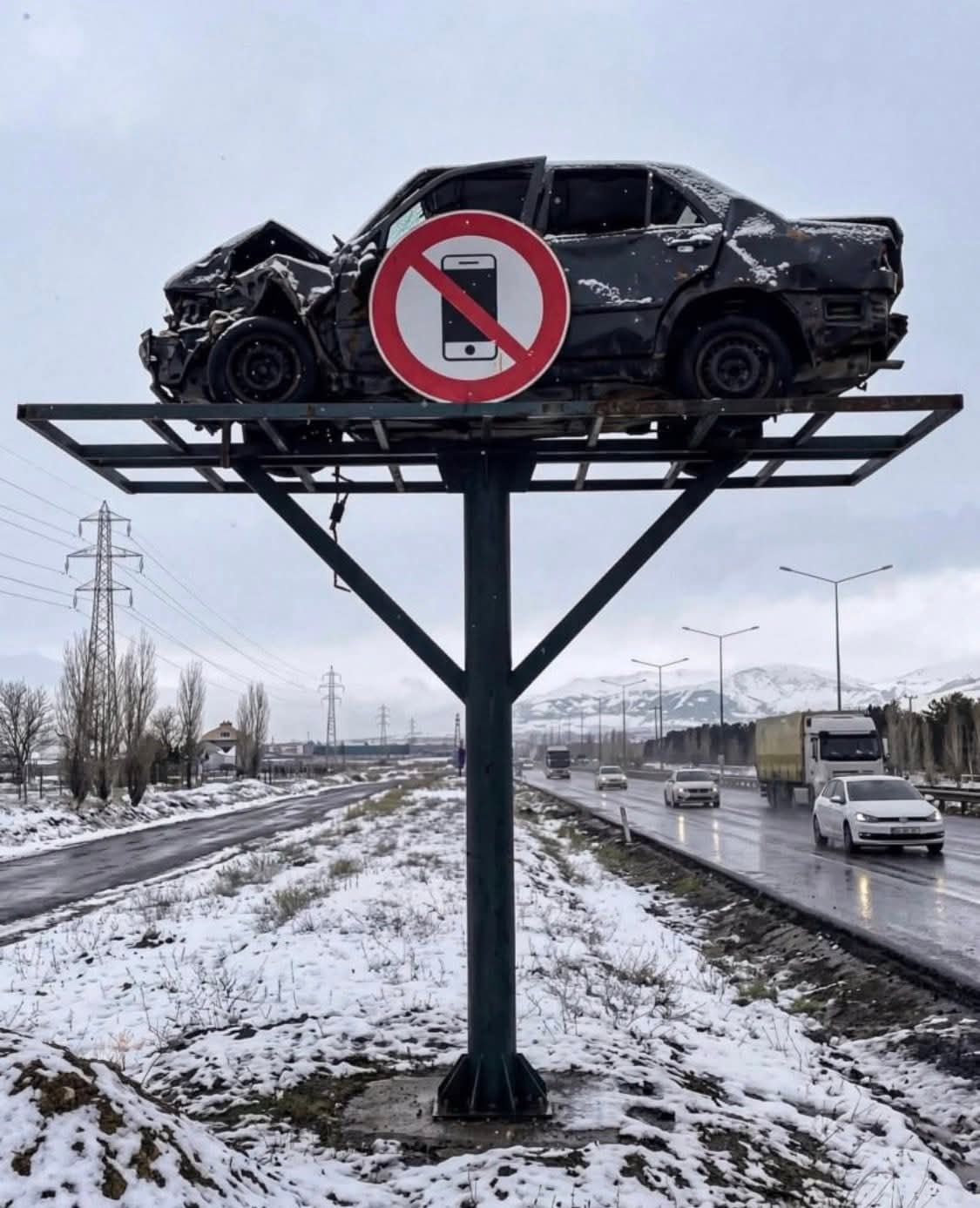 And according to road safety authorities, the method is working.
Turning Tragedy Into Prevention
Across several Turkish highways, badly damaged cars involved in fatal crashes are carefully positioned beside roads, particularly in accident-prone zones.
The vehicles are not random displays. Each wreck represents a real crash, often accompanied by warning messages such as:
“Speed kills.”
“This was once someone’s journey home.”
“Don’t let this be your last drive.”
Drivers approaching these locations immediately confront the physical consequences of road accidents, twisted metal, shattered frames, and destroyed cabins.
Officials say the emotional impact forces motorists to slow down instinctively.
Why Traditional Warnings Often Fail
Globally, road safety campaigns rely heavily on:
- Road signs
- Media campaigns
- Fines and enforcement
- Public awareness advertisements
However, repeated exposure causes drivers to become psychologically desensitized. Over time, warning signs blend into the background.
Turkey’s strategy disrupts this routine.
Seeing an actual wrecked car creates what safety experts describe as a “shock awareness effect”, a sudden emotional response that reconnects drivers with the real risks of speeding and careless driving.
Measurable Impact on Driver Behaviour
Traffic monitoring authorities in Turkey report noticeable behavioural changes in areas where wrecked vehicles were installed:
- Reduced average driving speeds
- Increased braking before danger zones
- Improved seatbelt compliance
- Lower accident recurrence rates in previously dangerous corridors
Drivers interviewed by local media admitted that encountering destroyed vehicles along highways made them reconsider aggressive driving habits.
Many described the displays as more convincing than police warnings.
Psychology Behind the Strategy
Road safety researchers explain that humans respond more strongly to visual evidence than abstract warnings.
A written message saying “Drive Carefully” requires interpretation.
A crushed vehicle requires none.
The brain instantly processes danger through visual association, triggering caution without conscious decision-making.
This approach mirrors aviation and industrial safety systems where real incident visuals are used for behavioral correction.
Could This Work in Nigeria?
Nigeria records thousands of road crashes annually, many linked to speeding, dangerous overtaking, poor vehicle maintenance, and driver negligence.
According to the Federal Road Safety Corps (FRSC), road traffic crashes remain one of the leading causes of preventable deaths nationwide.
Adopting Turkey’s model could offer Nigeria a low-cost but high-impact intervention, especially along notorious highways such as:
- Lagos–Ibadan Expressway
- Abuja–Kaduna Highway
- East–West Road
- Benin–Ore Corridor
Instead of abandoned accident vehicles being scrapped immediately, selected wrecks could be repurposed as permanent safety reminders at black spots.
Advantages of the Wrecked-Car Warning System
- Low implementation cost
- Immediate psychological impact
- Continuous 24-hour safety messaging
- No electricity or technology required
- Effective in rural and urban highways
Most importantly, it communicates a message drivers cannot easily ignore.
Ethical Considerations
While effective, authorities must handle such displays responsibly.
Experts recommend:
- Removing identifiable personal information
- Ensuring displays respect victims’ dignity
- Positioning vehicles safely away from traffic flow
- Using educational messaging rather than sensationalism
The goal remains prevention not fear exploitation.
A New Direction for Global Road Safety
Turkey’s initiative demonstrates that innovation in road safety does not always require advanced technology or expensive infrastructure.
Sometimes, the most powerful warning is reality itself.
As countries worldwide struggle to reduce traffic fatalities, this approach offers a compelling lesson: people drive differently when consequences become visible.
RoadKing.ng Safety Perspective
Road crashes are often treated as statistics after they occur. Turkey’s model shifts focus toward prevention by confronting drivers with the outcome before tragedy happens.
If implemented strategically across high-risk corridors, similar initiatives could significantly reshape driver behavior across Africa.
Because sometimes, saving lives begins with showing the truth drivers rarely see.



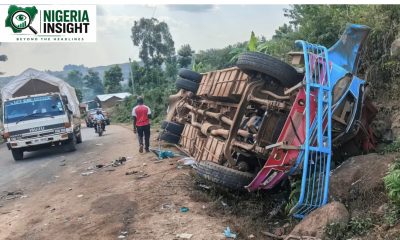

Five Die as Truck, Car Collide on Badagry Expressway

Two Killed as Trucks Collide, Burst Into Flames on Anambra Road

Stakeholders Raise Alarm Over Safety Gaps in Nigeria’s CNG and Electric Vehicle Transition

Female Driver Dies in Tragic Road Crash at Mongoro, Ile-Zik Area of Lagos

Physically Challenged Beggar Killed in Multi-Vehicle Crash on Lagos-Ibadan Expressway

Court Bars FRSC Officials From State Roads

24 Pupils Killed in Tragic Bus Crash During School Excursion in Uganda

Tyre Blowouts on Heavy Trucks

BYD Seal EV: Can It Challenge Traditional Sedans?

Colorado to Strengthen Driver Education Requirements

Slow Down: Man got his Family Killed by neglecting road signs

Which Bridge is the Tallest in the World?
Impatient Driving Cause Road Accident
How Roads are Constructed on the Mountain

Texas, USA suffers heavy flooding