
Crash News
Why Motorists Still Endanger Lives Despite Repeated Warnings

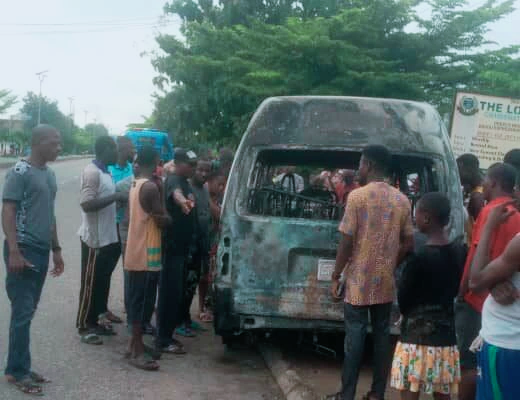
Every day, Nigerian highways tell the same grim story: road rage, reckless overtaking, and careless speeding that cost lives and property. Despite decades of awareness campaigns and law enforcement efforts, driver misbehavior remains a stubborn threat on our roads.
Also Read: Tanker Drivers in Turmoil: How Fake PTD Leaders Threaten Nigeria’s Fuel Supply and Road Safety
A recent string of accidents and complaints across the country once again brings to the fore the urgent need to tackle bad driver behavior before more innocent lives are lost.
A Snapshot of Daily Chaos
On a typical morning in Lagos, Abuja, or Port Harcourt, one can spot motorists weaving dangerously through traffic, commercial drivers parking indiscriminately to pick up passengers, and private car owners blaring horns as though they are above the law. These behaviors may seem minor to the offenders, but collectively they contribute to avoidable crashes, road rage incidents, and the slow grind of traffic gridlock that paralyzes cities.
Recent accident reports only highlight how deep this culture of indiscipline runs:
- Edo State: An SUV driver, allegedly under the influence, veered into a commercial motorcycle near Ogba River Bridge, killing three instantly. Witnesses blamed reckless “Yahoo boys” notorious for drag racing in the area.
- Ogun State: Six narrowly escaped death on the Abeokuta-Sagamu Expressway when an overspeeding Lexus rammed into a Toyota Avensis. Miraculously, there were no fatalities.
These two incidents occurred on the same day, underlining a pattern that road safety authorities say is far too common.
What Fuels Reckless Driving?
Several factors drive bad driver behavior in Nigeria:
- Impatience and Lack of Courtesy
Many drivers treat roads like battlefields, prioritizing personal gain over shared safety. Lane hogging, refusing to yield, and road rage are frequent triggers of accidents. - Weak Enforcement of Laws
While the FRSC and state traffic agencies exist, inconsistent enforcement means many violators escape consequences. Corruption, bribery, and overstretched personnel further undermine road discipline. - Youthful Exuberance and Peer Pressure
A disturbing trend is the rise of young drivers, some linked to internet fraud, engaging in dangerous stunts with flashy cars to “show off.” As Edo’s Okada riders lamented, many of these drivers behave like the road belongs to them. - Alcohol and Substance Abuse
Alcohol-induced recklessness remains a leading cause of late-night crashes, especially in entertainment districts and highways near major cities. - Poor Driver Education
Many Nigerians obtain licenses without proper training. The lack of structured driver education fosters ignorance of traffic signs, right-of-way rules, and defensive driving practices.
During a protest in Oredo LGA after the Edo accident, commercial motorcyclists accused “Yahoo boys” of reckless driving. Abdullahi Usman, one of the protesters, captured public frustration:
“These boys do not care about another person on the road. The accident was very severe. People are tired of burying friends because of careless drivers.”
Such sentiments echo nationwide. Every community seems to have its tale of tragedy tied to reckless drivers.
Road safety experts say that changing driver behavior requires a mix of strict enforcement, education, and cultural change.
- Traffic Psychologists argue that Nigeria must embed road safety education into schools and religious institutions to cultivate discipline from a young age.
- FRSC Officials continue to stress the dangers of speed. According to the Corps, speeding accounts for over 52% of road crashes in Nigeria.
- Urban Planners say poor road design and congestion often provoke aggressive behavior, suggesting that infrastructure upgrades should go hand-in-hand with behavioral enforcement.
Government and FRSC Response
The FRSC has repeatedly warned motorists against reckless driving and speeding, deploying speed limiters in commercial vehicles and intensifying patrols along high-risk corridors like the Lagos-Ibadan and Abuja-Kaduna highways.
State agencies in Ogun and Edo moved quickly after the recent accidents to clear wreckage and calm protests. Authorities promise thorough investigations and prosecution of offenders, but citizens remain skeptical until they see actual convictions.
To truly address driver misbehavior, experts recommend:
- Zero-tolerance enforcement: No more bribes; strict fines and license suspensions for offenders.
- Community-driven awareness: Local leaders and unions (like NURTW and okada associations) must drive peer accountability.
- Technology adoption: Widespread use of speed cameras, dashboard cameras, and mobile reporting apps.
- Reform of licensing: Ensuring no driver obtains a license without structured training and evaluation.
Conclusion
Reckless driving is not just an individual choice; it is a societal failure that costs Nigeria thousands of lives annually. Until Nigerians begin to treat driving as a shared responsibility rather than a selfish pursuit, tragedies like those in Edo and Ogun will continue to plague our roads.




5 Dangerous Reasons Drivers Fall Asleep Behind the Wheel

Young Female Driver Trapped After Early Morning Crash in Buies Creek

Motorcyclist Killed in High-Speed Collision Involving SUV in Dunn Area

Multiple Feared Dead After Horrific Bus-Tanker Collision in India

Tourist Bus Rollover on Australia’s Bruce Highway Kills Passenger, Several Injured

Global Road Safety Concerns Intensify After Multiple Deadly Crashes Across Continents

U.S. Traffic Deaths Decline in 2025 But Dangerous Driving Still Alarms Experts

16 Killed as Passenger Bus Plunges Under Bridge Along Lokoja-Okene Highway

Florida Horror Crash Leaves 3 Dead, 5 Critically Injured in Head-On Collision on State Road 40

4 CRUTECH Students, Driver Killed in Fatal Cross River Crash

Slow Down: Man got his Family Killed by neglecting road signs

Which Bridge is the Tallest in the World?
Impatient Driving Cause Road Accident
How Roads are Constructed on the Mountain

Texas, USA suffers heavy flooding