
Road Safety / Heavy Vehicle Awareness
Nigeria’s Poor Road Lighting: The Silent Killer on Our Highways


For many Nigerian drivers, nighttime driving is an unavoidable reality. Yet, what should be a routine journey often turns into a gamble with death due to poor or non-existent road lighting across the country.
Also Read: Why Do So Many Car Accidents Happen at Night?
From expressways linking major cities to community roads within urban centers, the absence of functional streetlights has become a silent but deadly menace on our highways.
A Nation Driving in the Dark
Roads like the Lagos–Ibadan Expressway, Abuja–Lokoja Highway, and Benin–Ore Road, which carry thousands of vehicles daily, often leave drivers navigating in complete darkness once the sun sets.
 Faulty or vandalized streetlights, combined with little or no maintenance, have left critical highways shrouded in danger. This increases the risks of head-on collisions, pedestrian fatalities, and armed robbery attacks at night.
Deadly Consequences
According to the Federal Road Safety Corps (FRSC), over 40% of road crashes in Nigeria occur at night, with poor visibility listed as a major contributing factor. In many tragic cases, drivers misjudge distances, fail to notice broken-down vehicles parked without hazard lights, or collide with unsuspecting pedestrians trying to cross the road.
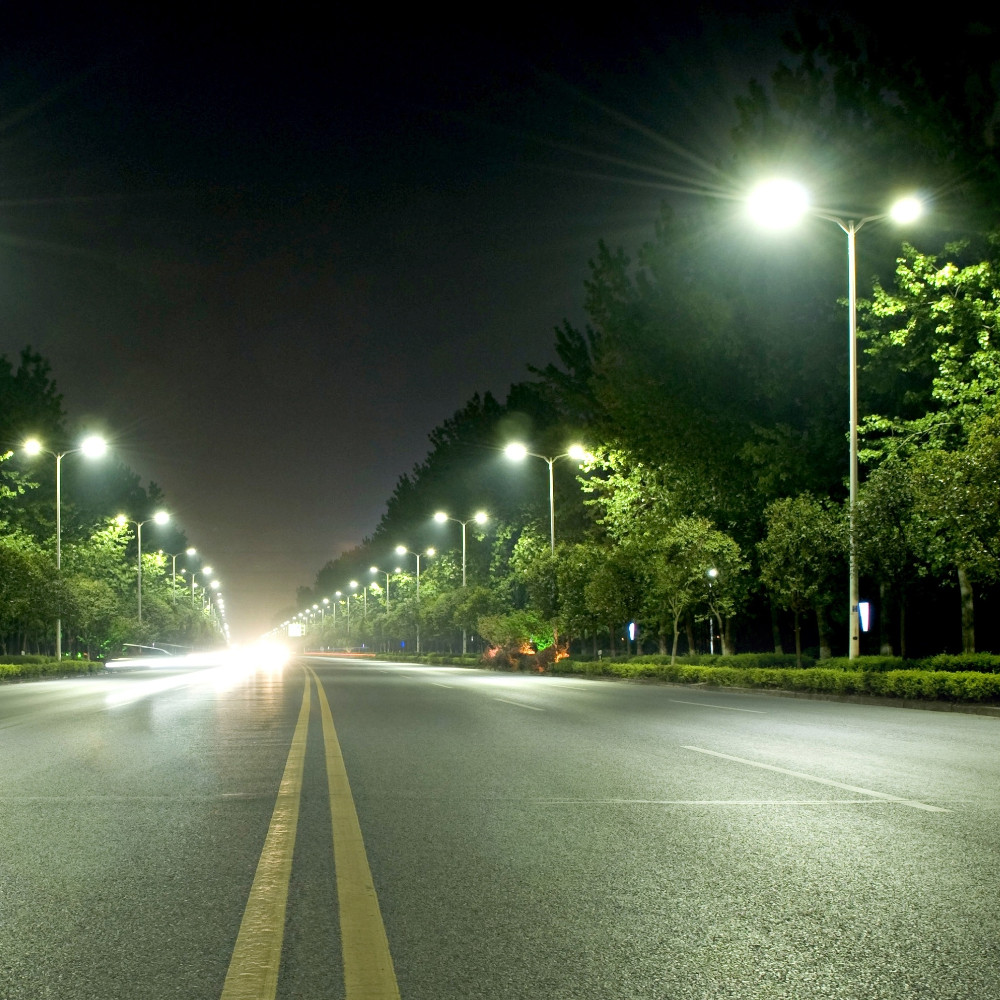 A 2024 report by the World Health Organization (WHO) also highlighted that countries with poor road lighting infrastructure record significantly higher rates of nighttime fatalities compared to those with proper illumination. Nigeria, sadly, fits into the former category.
The Burden on Road Users
Commercial drivers, truck operators, and private motorists have all raised concerns. Many are forced to install high-powered, blinding headlights just to see a few meters ahead, inadvertently putting oncoming vehicles at risk of temporary blindness. Motorcyclists (Okada riders) are not spared either—most operate without proper lighting, making them invisible hazards on poorly lit roads.
Government’s Role and Neglect
Despite billions allocated to road maintenance and urban infrastructure annually, the reality on Nigerian roads tells a different story. Many road lighting projects are either abandoned midway, poorly executed, or left without routine maintenance. In Abuja, for example, newly installed streetlights along key expressways often stop functioning within months, leaving the roads once again in darkness.
What Needs to Change
Experts recommend a multi-layered approach:
- Proper Funding & Monitoring: Ensure funds allocated to road lighting are fully utilized.
- Public-Private Partnerships: Allow private companies to install and maintain lights in exchange for tax breaks.
- Community Vigilance: Prevent vandalism of poles and solar panels through neighborhood watch systems.
- Use of Solar Technology: Reduce dependence on unstable electricity by adopting solar-powered street lighting.
A Call for Action
The absence of functional streetlights in Nigeria is not just an inconvenience, it is a matter of life and death. Every unlit road is a potential death trap, every broken streetlight a missed chance to save a life. Until road lighting becomes a priority, Nigerians will continue to risk their lives navigating highways in the dark.




Five Die as Truck, Car Collide on Badagry Expressway

Two Killed as Trucks Collide, Burst Into Flames on Anambra Road

Stakeholders Raise Alarm Over Safety Gaps in Nigeria’s CNG and Electric Vehicle Transition

Female Driver Dies in Tragic Road Crash at Mongoro, Ile-Zik Area of Lagos

Physically Challenged Beggar Killed in Multi-Vehicle Crash on Lagos-Ibadan Expressway

Court Bars FRSC Officials From State Roads

24 Pupils Killed in Tragic Bus Crash During School Excursion in Uganda

Tyre Blowouts on Heavy Trucks

BYD Seal EV: Can It Challenge Traditional Sedans?

Colorado to Strengthen Driver Education Requirements
Two Killed as Trucks Collide, Burst Into Flames on Anambra Road
Five Die as Truck, Car Collide on Badagry Expressway

Slow Down: Man got his Family Killed by neglecting road signs

Which Bridge is the Tallest in the World?
Impatient Driving Cause Road Accident
How Roads are Constructed on the Mountain

Texas, USA suffers heavy flooding