
Driver Training
Drunk Driving: Cause of accident


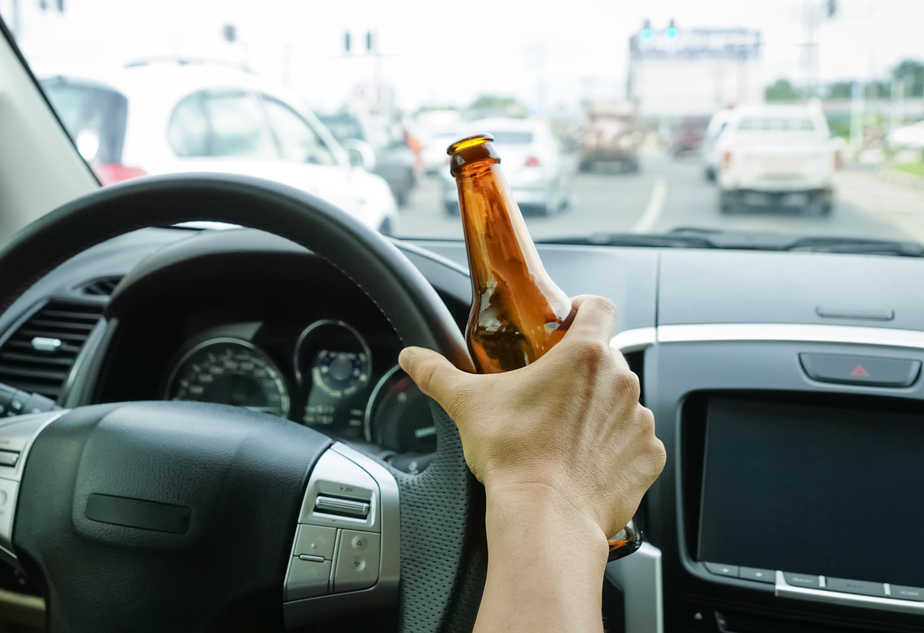
Drunk driving is a serious and dangerous issue that affects millions of people worldwide.
It is a problem that has severe consequences not only for the driver but also for innocent individuals on the road.
This article aims to shed light on the effects of drunk driving and why it is crucial to prevent it.
One of the most obvious effects qis the increased risk of accidents.
Alcohol impairs a person’s ability to think clearly, react quickly, and make rational decisions.
This impairment affects crucial driving skills such as judgment, coordination, and concentration, making it more likely for drivers under the influence to cause accidents.
Drunk driving remains a significant and pervasive issue that poses a severe threat to public safety globally.
This dangerous behavior involves operating a vehicle under the influence of alcohol, impairing the driver’s ability to make sound judgments and react appropriately.
Despite ongoing efforts to combat it, it continues to claim countless lives and cause devastating consequences for individuals, families, and communities.
Scope of drunk driving
The statistics surrounding drunk driving paint a grim picture of its widespread impact.
According to the World Health Organization (WHO), alcohol-related crashes account for a substantial portion of road traffic fatalities worldwide.
In the United States alone, the Centers for Disease Control and Prevention (CDC) reports that approximately 29 people die in alcohol-impaired vehicle crashes every day.
These incidents not only result in fatalities but also lead to numerous injuries, often leaving victims with long-lasting physical and emotional scars.
Contributing Factors
Several factors contribute to the prevalence of drunk driving;
- Social norms surrounding alcohol consumption
- Lax enforcement of drunk driving laws.
- Lack of effective preventive measures.
Additionally, the misconception among some individuals that they can still drive safely after consuming alcohol contributes to the persistence of this hazardous behavior.
Legal Consequences
To deter drunk driving, many countries have implemented strict legal consequences for those caught operating a vehicle under the influence.
Penalties typically include fines, license suspension, mandatory alcohol education programs, and even imprisonment, depending on the severity of the offense.
However, despite these measures, repeat offenders and individuals who evade law enforcement remain a challenge, highlighting the need for comprehensive and enforceable policies.
Preventive Measures
Efforts to address driving drink extend beyond legal consequences.
Public awareness campaigns, education programs, and community initiatives are crucial components of a multifaceted approach to reducing alcohol-impaired driving.
Designated driver programs, ride-sharing services, and the promotion of responsible alcohol consumption all contribute to creating a safer environment on the roads.
Technological Advances
Advancements in technology have also played a role in the fight against drinking why driving
Breathalyzer devices, ignition interlock systems, and other alcohol-sensing technologies help prevent intoxicated individuals from starting their vehicles.
Integrating these technologies into law enforcement practices and vehicle designs can serve as an additional layer of defense against the dangers of drunk driving.
Drunk driving remains a persistent threat to public safety, claiming lives and causing irreparable harm to individuals and communities.
Addressing this issue requires a comprehensive approach, combining legal consequences, public awareness campaigns, education programs, and technological advancements.
By working together, governments, law enforcement, communities, and individuals can contribute to creating safer roads and reducing the devastating impact of drunk driving on society.



Washington State Patrol Investigates Rear-End Collision Involving Truck

Young Edo Innovator Builds Lamborghini-Inspired Sports Car, Showcasing Nigeria’s Hidden Engineering Talent

Truck Crash Causes Traffic Delays on Highway 6 Near Guelph, Ontario

FAAN Orders Airport Taxi Operators to Upgrade Vehicles by 2026

5 Dangerous Reasons Drivers Fall Asleep Behind the Wheel

Young Female Driver Trapped After Early Morning Crash in Buies Creek

Motorcyclist Killed in High-Speed Collision Involving SUV in Dunn Area

Multiple Feared Dead After Horrific Bus-Tanker Collision in India

Tourist Bus Rollover on Australia’s Bruce Highway Kills Passenger, Several Injured

Global Road Safety Concerns Intensify After Multiple Deadly Crashes Across Continents
Truck Crash Causes Traffic Delays on Highway 6 Near Guelph, Ontario
FAAN Orders Airport Taxi Operators to Upgrade Vehicles by 2026
Young Edo Innovator Builds Lamborghini-Inspired Sports Car, Showcasing Nigeria’s Hidden Engineering Talent
Washington State Patrol Investigates Rear-End Collision Involving Truck

Slow Down: Man got his Family Killed by neglecting road signs

Which Bridge is the Tallest in the World?
Impatient Driving Cause Road Accident
How Roads are Constructed on the Mountain

Texas, USA suffers heavy flooding