
Articles
Inside Nigeria’s Growing Menace of Reckless Okada Riders

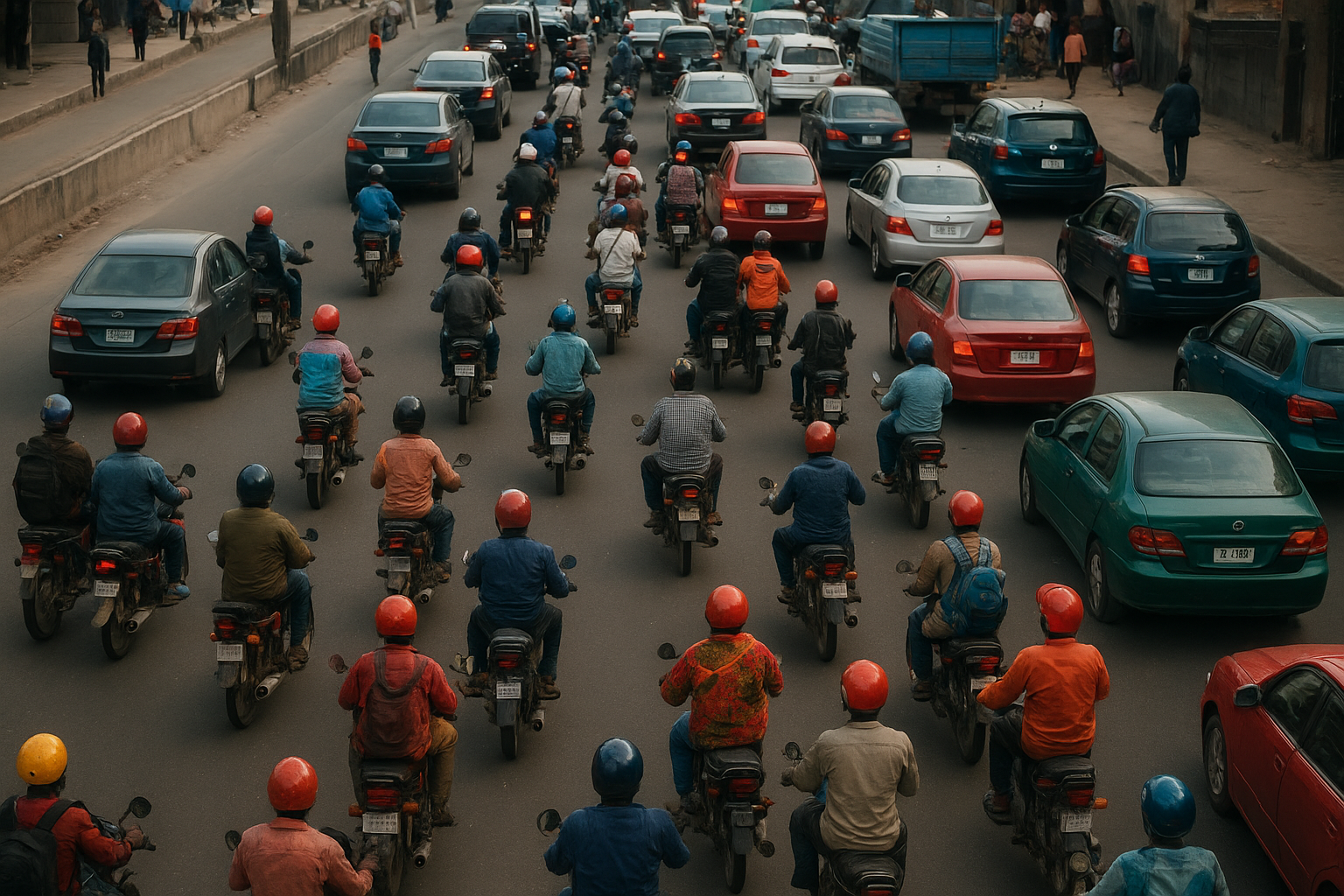
Motorcycles, popularly known as Okada, have long been a convenient and affordable means of transportation across Nigeria.
Also Read: Hidden Danger: Understanding ‘Okada Mentality’ Behind the Wheel
In many urban and rural areas, they provide quick mobility where cars and buses struggle due to traffic jams, bad roads, or remote locations.
However, this convenience is increasingly overshadowed by the chaos, lawlessness, and accidents linked to reckless Okada riders.
From Lagos to Kano, Abuja to Port Harcourt, the menace of motorcycle operators has become a daily nightmare for road users and authorities alike. Recent crash statistics highlight just how deadly the trend has become, sparking urgent calls for stricter regulation and safer alternatives.
The Alarming Rise of Okada-Related Accidents
According to the Federal Road Safety Corps (FRSC), motorcycles accounted for nearly 25% of road accidents in Nigeria in 2023, with thousands of fatalities recorded. In Lagos alone, the state government reported that Okada-related crashes killed more than 1,000 people between 2020 and 2022, most of them pedestrians and passengers.
In Abuja, reckless motorcycle riders are often seen riding against traffic, ignoring traffic lights, and overloading with passengers or goods. The situation is so dire that several state governments, including Lagos, Rivers, and the FCT, have either banned or restricted Okada operations. Yet, enforcement remains weak in many areas, and desperate commuters continue to patronize them.
Why Are Okada Riders So Reckless?
Several factors contribute to the reckless behavior commonly associated with motorcycle riders:
- Lack of Training and Licensing
Many Okada riders operate without valid licenses or formal training. They learn informally, often from friends or fellow riders. This results in poor knowledge of road safety rules. - Poverty and Unemployment
For many young Nigerians, riding Okada is a last resort for survival. With limited job opportunities, thousands resort to motorcycles as a quick source of income, regardless of their skill or experience level. - Weak Regulation and Enforcement
Even in states where Okada is banned, enforcement is often inconsistent. Riders exploit loopholes, pay bribes, or simply overwhelm security agencies by sheer numbers. - Impatience and Aggression on the Road
Motorcycle riders are notorious for weaving through traffic, riding against one-way streets, and taking dangerous shortcuts. This impatience often leads to fatal crashes.
Voices From the Streets
Commuters and motorists frequently express frustration about Okada riders’ disregard for safety.
- “They hit my side mirror and ran off. Nobody could stop them,” lamented Chika, a Lagos driver.
- “Sometimes, they carry three passengers without helmets. It’s a death trap,” said Musa, an Abuja resident.
Even pedestrians are not spared. Many accidents occur when riders speed through crowded markets or bus stops without warning.
Government and Community Responses
Several Nigerian states have launched crackdowns on Okada operations. In Lagos, over 5,000 motorcycles were seized and destroyed in 2024 alone. The Federal Government has also hinted at introducing stricter licensing requirements for commercial riders nationwide.
However, outright bans are controversial. Critics argue that banning Okada without providing affordable alternatives leaves commuters stranded and worsens unemployment. Instead, some experts recommend:
- Formalizing motorcycle associations and enforcing strict union rules.
- Compulsory licensing and training programs.
- Introducing safer alternatives like tricycles and minibuses in high-demand areas.
The Road Ahead
The Okada menace reflects Nigeria’s broader challenges of unemployment, weak enforcement, and poor road safety culture. While motorcycles may remain a necessary evil in the short term, the long-term solution lies in investing in affordable public transport, training programs, and stronger road safety enforcement.
Until then, Nigeria’s roads will continue to witness the deadly consequences of reckless Okada operations, with commuters paying the price in lives and livelihoods.


5 Dangerous Reasons Drivers Fall Asleep Behind the Wheel

Young Female Driver Trapped After Early Morning Crash in Buies Creek

Motorcyclist Killed in High-Speed Collision Involving SUV in Dunn Area

Multiple Feared Dead After Horrific Bus-Tanker Collision in India

Tourist Bus Rollover on Australia’s Bruce Highway Kills Passenger, Several Injured

Global Road Safety Concerns Intensify After Multiple Deadly Crashes Across Continents

U.S. Traffic Deaths Decline in 2025 But Dangerous Driving Still Alarms Experts

16 Killed as Passenger Bus Plunges Under Bridge Along Lokoja-Okene Highway

Florida Horror Crash Leaves 3 Dead, 5 Critically Injured in Head-On Collision on State Road 40

4 CRUTECH Students, Driver Killed in Fatal Cross River Crash

Slow Down: Man got his Family Killed by neglecting road signs

Which Bridge is the Tallest in the World?
Impatient Driving Cause Road Accident
How Roads are Constructed on the Mountain

Texas, USA suffers heavy flooding