
News Update
Safety Emergency: 5,000 Deaths, 31,000 Injuries Annually

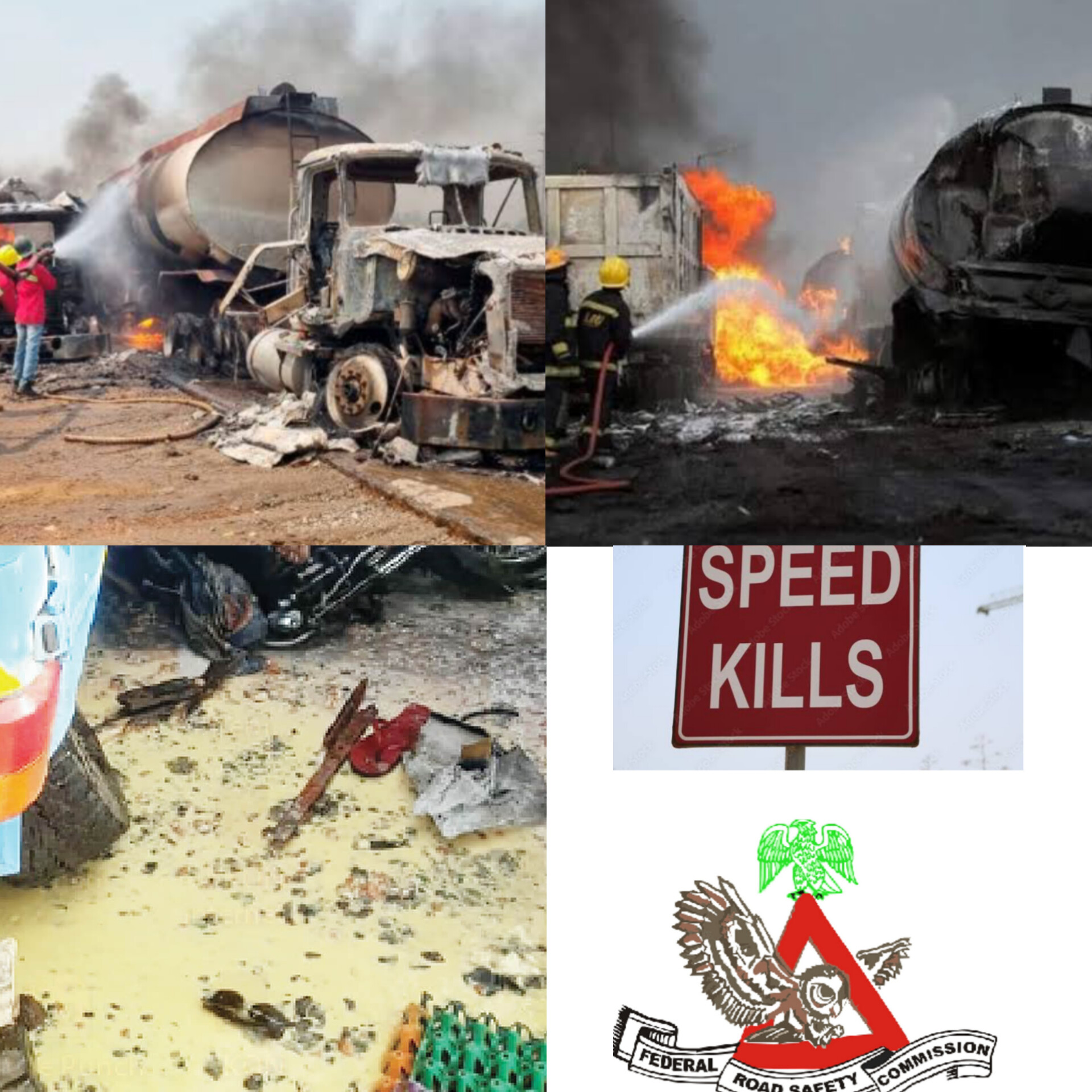
The Federal Road Safety Corps (FRSC) has issued a chilling statistic: Nigeria registers nearly 5,000 road fatalities and a staggering 31,154 injuries annually. This is not a statistic, it’s a nation bleeding lives, injuries, and futures.
Also Read: 5.4km Karu Road to Be Completed in 10 Months – Wike Assures FCT Residents
Breaking it down further, Q1 2025 alone saw 1,593 deaths and over 9,200 injuries, as road crashes proved more severe than before despite a slight dip in total crash numbers.
Causes at a Glance: Why This Is Happening
1. Human Error & Reckless Driving
Studies attribute over 90% of crashes in Nigeria to human factors such as speeding, fatigue, and distraction fueling a deadly pattern.
2. Dilapidated Roads & Infrastructure
Sharp bends, unmarked potholes, and poor road design continue to contribute to accidents especially at night.
3. Seasonal & Vehicle Faults
Tire bursts, brake failure, and reckless lane changes are frequent crash triggers. The Eid-el-Kabir period, for instance, alone led to multiple fatal crashes.
Road Safety in Nigeria: A Deeper Dive
A) Scale & Trends
- Annual casualties (≈ 5,000 deaths; 31,000 injuries) place a heavy burden on families, healthcare systems, and the economy.
- Q1 2025 data reflects growing casualties per crash, underscoring increased severity.
B) Governing Gaps
Despite awareness campaigns and legislative efforts, road-safety performance remains stagnant. The FRSC, among others, is pushing for smarter tech and a new amendment bill.
C) Education as a Force Multiplier
Research shows targeted road-user education emphasizing rule compliance, vehicle upkeep, and signage respect can significantly curb crash rates.
D) Innovation & Enforcement to the Rescue
Africa’s ongoing Safe System efforts stress institutional accountability and systemic safety design. Nigeria’s “Ym@ne Driver” smart monitoring system—backed by CAMTRACK-MTN is a promising pilot in this direction.
Nigerian Voices & Road King Verdict
- Families in grief: Stories abound of loss to reckless overtakes and derailing trucks. Without early intervention, these tragedies will only become more frequent.
- Voluntary safety advocates: Leaders like Simon Obi (GreenLight Initiative, UN Global Leader) are building grassroots momentum for awareness and curriculum inclusion.
RoadKing.ng Verdict:
If Nigeria wants safer roads, it must invest urgently in behavioral re-education, smarter enforcement, road infrastructure, and technology-enabled monitoring. Ignoring the crisis only costs more lives and our future.
A Roadmap for Safety (2025–2030)
| Strategy | Action Steps |
|---|---|
| Driver Education | Nationwide campaigns; school-based road safety curriculum; sanctions for violators |
| Infrastructure Upgrades | Illuminate dangerous stretches; patch potholes; redesign accident-prone junctions |
| Smarter Enforcement | Deploy speed cameras; expand “Ym@ne Driver”; community data-sharing platforms |
| Public Awareness | Promote seat belts, helmet use, sober driving via media & grassroots |
| Policy & Oversight | Prioritize the FRSC amendment; fund accident response systems in all LGAs |



Bad Vehicle Maintenance: The Silent Killer on Roads Worldwide

Bad Roads Investigation: How Poor Infrastructure Is Causing Global Road Crashes

One Dead After Vehicle Collides With Train in United States

Social Media Influencer Dies After Losing Control on French Motorway

Sixteen Killed in Fiery Bus–Truck Collision in Yemen

Hazardous Truck Crash Spills Asbestos on Major Highway in Australia

FRSC Deploys Mobile Speed Enforcement Units Across Nigerian Highways
Three Dead in Multi-Vehicle Crash on Lagos–Ibadan Expressway

Fatal Nigeria Crashes — Adamawa & Lagos Raise Fresh Road Safety Concerns

Delhi Introduces Safety Reward Scheme for Citizens Who Assist Road Accident Victims
Three Killed in Multi-Vehicle Crash in Northern Ireland

Fatal Drunk Driving Crash Claims Woman’s Life on Clay Road

How Turkey Is Using Real Wrecked Cars to Warn Drivers

Lansdale Residents Lead Local Road Safety Initiative to Protect Community
Motorcyclist Crash Shuts Down M40 Motorway in UK, Causes Major Traffic Disruption

Senior Police Officer Dies in Fatal Road Crash in Borno
Delhi Introduces Safety Reward Scheme for Citizens Who Assist Road Accident Victims

LASTMA Rescues 1,075 Crash Victims, Impounds Over 17,000 Vehicles
M11 Motorway Shut After Double Crash Near Stansted Airport

Indiana Senate Advances Trucking Oversight Bill to Improve Road Safety

Slow Down: Man got his Family Killed by neglecting road signs

Which Bridge is the Tallest in the World?
Impatient Driving Cause Road Accident
How Roads are Constructed on the Mountain

Texas, USA suffers heavy flooding