
Car/Vehicle Maintenance
How Poorly Maintained Vehicle Suspensions Put Nigerian Drivers at Risk

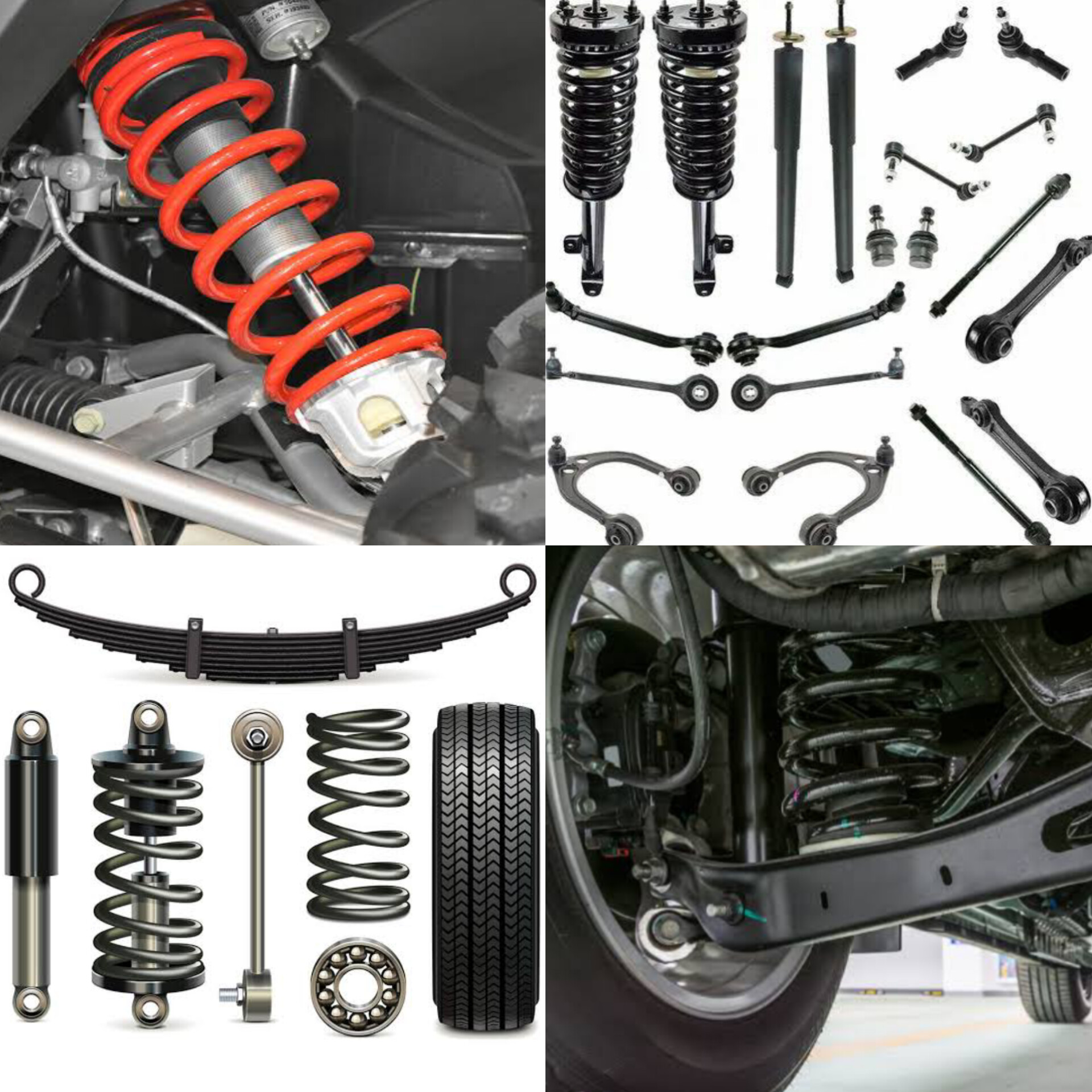
Across Nigeria’s roads, from Lagos’ traffic-congested expressways to the rugged stretches of the Abuja–Lokoja highway, drivers face countless hazards.
Also Read: Causes of Ball Joint Damage in Cars
While tyres, brakes, and engines often receive regular attention, there’s one critical safety component that quietly bears the brunt of Nigeria’s poor road network: the vehicle suspension system.
Many motorists underestimate the suspension’s role, assuming it only affects comfort. In reality, suspension health is directly linked to safety. A failing suspension can compromise braking, steering, tyre grip, and stability, making accidents far more likely—especially on Nigeria’s pothole-ridden highways.
This article examines the hidden dangers of neglected suspensions, how they fail, and what Nigerian drivers can do to avoid the risks.
What the Suspension System Really Does
The suspension system connects your car’s wheels to its frame, absorbing shocks and maintaining tyre contact with the road. Its primary roles are:
- Safety: Ensuring tyres maintain grip even on uneven surfaces.
- Comfort: Smoothing out vibrations and bumps.
- Control: Supporting safe steering and braking.
In Nigeria’s road conditions, where uneven asphalt, sudden potholes, and speed bumps are common, the suspension works overtime.
Why Suspension Neglect is Rampant in Nigeria
Several factors contribute to poor suspension maintenance in the country:
- Bad Roads: Constant jarring impacts speed up wear and tear.
- High Repair Costs: Many drivers postpone repairs due to cost.
- Lack of Awareness: Some drivers simply don’t understand suspension’s role in safety.
- Informal Mechanics: Many roadside mechanics prioritize quick fixes, often ignoring deeper issues.
Signs of a Failing Suspension (Often Ignored)
These early warning signs are frequently dismissed by motorists:
- Excessive Bouncing: Car continues bouncing after hitting a bump.
- Pulling to One Side: Difficulty keeping the car straight.
- Uneven Tyre Wear: One tyre wearing out faster than others.
- Noisy Ride: Creaks, knocks, or squeaks when driving over bumps.
- Nosedive During Braking: Front dips more than normal when brakes are applied.
Ignoring these signs compromises safety with every trip.
Safety Risks of a Bad Suspension
Neglecting suspension issues can lead to severe consequences:
- Reduced Braking Efficiency: Worn suspension increases stopping distance.
- Loss of Vehicle Stability: Car can sway or roll unexpectedly in turns.
- Poor Tyre Grip: Increased risk of skidding, especially in wet weather.
- Greater Accident Risk: A failing suspension can trigger loss of control at high speeds.
According to FRSC statistics (2024), 14% of vehicle-related accidents in Nigeria involved poor vehicle maintenance, with suspension issues as a key contributor.
Real-Life Nigerian Cases
- Case 1: Ibadan-Oyo Road Incident (2024), A Toyota Hiace bus carrying 12 passengers veered off the road after hitting a pothole. Post-accident inspection revealed broken suspension components worsened by neglect.
- Case 2: 3rd Mainland Bridge Close Call (2023), A private car nearly flipped after swerving to avoid debris. The investigation confirmed a severely worn suspension spring had compromised stability.
How Drivers Can Protect Their Suspension
Routine Checks
- Inspect suspension during every major service (every 10,000 km).
- Watch for fluid leaks near shock absorbers.
Drive Defensively
- Slow down for potholes and avoid aggressive cornering.
- Approach speed bumps gently.
Invest in Quality Parts
- Use genuine shock absorbers and bushings.
- Avoid cheap, counterfeit parts that wear out prematurely.
The Cost of Prevention vs. The Cost of Neglect
Preventive Maintenance: Shock absorber replacement (₦50,000–₦80,000 for most sedans).
After Failure: Accident repair costs can reach ₦500,000+plus potential injuries or fatalities.
Preventive care is far cheaper than post-accident repairs.
Conclusion
In Nigeria, bad roads may be unavoidable, but poor vehicle maintenance doesn’t have to be. The suspension system is the unsung hero of road safety, quietly protecting drivers and passengers. By giving it the same attention as tyres and brakes, Nigerian motorists can reduce crash risks and improve driving safety nationwide.

Five Die as Truck, Car Collide on Badagry Expressway

Two Killed as Trucks Collide, Burst Into Flames on Anambra Road

Stakeholders Raise Alarm Over Safety Gaps in Nigeria’s CNG and Electric Vehicle Transition

Female Driver Dies in Tragic Road Crash at Mongoro, Ile-Zik Area of Lagos

Physically Challenged Beggar Killed in Multi-Vehicle Crash on Lagos-Ibadan Expressway

Court Bars FRSC Officials From State Roads

24 Pupils Killed in Tragic Bus Crash During School Excursion in Uganda

Tyre Blowouts on Heavy Trucks

BYD Seal EV: Can It Challenge Traditional Sedans?

Colorado to Strengthen Driver Education Requirements

Slow Down: Man got his Family Killed by neglecting road signs

Which Bridge is the Tallest in the World?
Impatient Driving Cause Road Accident
How Roads are Constructed on the Mountain

Texas, USA suffers heavy flooding