
Driver Training
Blind Spots: The Invisible Zones That Cause Visible Crashes


Every driver thinks they see everything happening around their vehicle. The truth? Every car, bus, or truck has areas you cannot see directly in your mirrors or peripheral vision, these are called blind spots.
Also Read: Understanding Blind Spots and How to Check Them
On Nigeria’s busy roads, blind spot ignorance is a frequent cause of crashes, especially:
- Side swipes during lane changes
- Motorcycles clipped by trucks
- Pedestrians and smaller cars crushed at junctions
The FRSC 2025 Mid-Year Report shows over 17% of lane-change crashes in Nigeria were linked to blind spot oversight.
What Exactly Is a Blind Spot?
A blind spot is any area around your vehicle that cannot be directly observed using your mirrors alone.
- Cars: Usually located slightly behind and to the side.
- Buses & SUVs: Larger blind spots due to size and body shape.
- Trucks & Tankers: Massive “no-zones” on all sides, especially right behind and alongside.
Blind Spots on Different Vehicles
Passenger Cars
- Blind spots typically exist at the rear corners.
- Even with properly adjusted mirrors, a vehicle can hide in these zones during overtaking.
SUVs and Pickup Trucks
- Wider bodies increase side blind spot areas.
- Higher seating position can create front blind spots for smaller cars or children.
Commercial Trucks & Tankers
Four major blind zones:
- Front: Up to 20 feet ahead.
- Sides: Especially passenger side — can extend over two lanes.
- Rear: Entire zone directly behind.
- Turning blind spots: Right turns in Nigeria (left-hand drive trucks) are notorious.
Important: If you can’t see the truck driver’s mirrors, the driver probably can’t see you.
How Blind Spots Cause Crashes in Nigeria
Blind spot collisions are common on:
- Expressways (Benin–Ore, Lagos–Ibadan): Lane changes at high speed.
- Urban roads (Ojuelegba, Nyanya, Ikeja): Motorcycles weaving between vehicles.
- Intersections (Aba Road, Kaduna–Zaria junctions): Trucks making wide turns.
Example Incident (May 2025):
A Toyota Camry was sideswiped by a container truck on Apapa–Oshodi Expressway when the truck driver changed lanes, unaware of the sedan hidden in the right-side blind spot.
FRSC Blackspot Crash Data Related to Blind Spots (Jan–June 2025)
Road – Blind Spot-Related Crashes – Common Vehicle Involved
- Lagos-Ibadan Expressway – 58 – Tankers, luxury buses
- Benin-Ore-Sagamu Expressway – 42 – Trailers, pickup trucks
- Abuja-Lokoja Expressway – 33 – Long-haul buses, SUVs
- Apapa-Oshodi Expressway – 27 – Container trucks.
How to Check & Manage Blind Spots
Proper Mirror Adjustment
- Side mirrors: Adjust so you barely see the edge of your car.
- Rearview mirror: Focus directly behind.
Shoulder Checks
- Always glance over your shoulder before changing lanes, mirrors aren’t enough.
Blind Spot Mirrors
- Install convex stick-on mirrors for wider coverage.
Blind Spot Monitoring Systems
- Modern vehicles (Hyundai Tucson, Toyota Corolla Cross) offer electronic alerts.
- Affordable aftermarket options exist for older cars.
Tips for Different Road Users
For Car Drivers
- Don’t linger in another vehicle’s blind spot, either overtake or fall back.
- Use hazard perception: anticipate sudden lane changes from trucks/buses.
For Truck & Bus Drivers
- Perform wide mirror sweeps every few seconds.
- Signal early before lane changes.
- Allow motorcycles extra clearance, they disappear easily.
For Motorcyclists
- Never ride between two large vehicles at high speed.
- Stay visible by positioning slightly ahead of truck/bus cabins.
RoadKing.ng Recommendations for Nigeria
Issue and Recommendation
High blind spot crash rate: National blind spot awareness campaign
Poor driver training: Update driving school curriculum to emphasize blind spots
Commercial truck incidents: Mandate blind spot mirrors on all freight vehicles
Motorcycle vulnerability: Create motorcycle-only lanes on high-risk expressways
RoadKing.ng Final Word
Blind spots are invisible until they cause a collision. Whether you’re driving a small sedan or a 40-foot tanker, awareness and proper checks are your best defense.
The next time you’re changing lanes or overtaking, remember:
If you can’t see them, they might be in your blind spot.




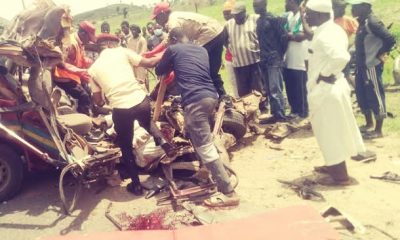


Five Die as Truck, Car Collide on Badagry Expressway

Two Killed as Trucks Collide, Burst Into Flames on Anambra Road

Stakeholders Raise Alarm Over Safety Gaps in Nigeria’s CNG and Electric Vehicle Transition

Female Driver Dies in Tragic Road Crash at Mongoro, Ile-Zik Area of Lagos

Physically Challenged Beggar Killed in Multi-Vehicle Crash on Lagos-Ibadan Expressway

Court Bars FRSC Officials From State Roads

24 Pupils Killed in Tragic Bus Crash During School Excursion in Uganda

Tyre Blowouts on Heavy Trucks

BYD Seal EV: Can It Challenge Traditional Sedans?

Colorado to Strengthen Driver Education Requirements

Slow Down: Man got his Family Killed by neglecting road signs

Which Bridge is the Tallest in the World?
Impatient Driving Cause Road Accident
How Roads are Constructed on the Mountain

Texas, USA suffers heavy flooding