
Articles
Why FRSC’s Speed Limit Policy Needs Better Enforcement


Speeding has silently become one of the most deadly contributors to road fatalities in Nigeria, yet enforcement of speed limits remains largely symbolic.
Despite well-meaning efforts by the Federal Road Safety Corps (FRSC), particularly the deployment of radar guns, speed limiters, and speed checks, many Nigerian drivers continue to flout the rules with impunity.
Also Read: Understanding FRSC Driving Laws in Nigeria
The consequences? Shattered families, mangled vehicles, and grief-stricken communities.
The Speed Limit Policy: On Paper vs. Reality
The Nigerian Highway Code sets speed limits based on vehicle category and road type:
Urban roads: 50 km/hour
Highways: 80–100 km/h
Heavy-duty vehicles: 60 km/h
But on most Nigerian roads, these speed limits exist only on signs, rarely enforced. Drivers zoom past checkpoints at 120 km/h without fear of consequences, especially when law enforcement is absent or compromised.
“We have laws, but enforcement is weak. People drive as if their lives and the lives of others don’t matter,” says Ezekiel Udo, a commercial driver in Benin City.
What the Data Shows
According to FRSC’s 2024 Annual Crash Report:
23% of road crashes nationwide were directly linked to speeding
In high-risk zones like Kaduna–Abuja and Sagamu-Benin, speeding accounted for nearly 35% of all major crashes
Fatalities involving private drivers were twice as likely to be speed-related than those involving commercial transport.
These figures underline a public safety crisis that is preventable — if only enforcement matched legislation.
Why Drivers Keep Speeding
1. Poor Driver Education
Many drivers on Nigerian roads — especially private ones — never go through certified training. Speed awareness and control techniques are foreign concepts to them.
2. Lack of Consequences
Even when caught, most drivers simply “settle” officers or receive verbal warnings. Without consistent legal penalties, fear of the law is minimal.
3. Bad Roads That Encourage Risk
Ironically, some smooth patches of highway tempt drivers to “test the engine.” Combine that with no visible speed traps, and you have a recipe for disaster.
4. Cultural Mindset
Many drivers equate speed with skill or power. “I can handle it,” they often say — right before losing control.
FRSC’s Tools – Underutilized?
To their credit, the FRSC has invested in:
- Speed radar guns
- Speed limiters for commercial vehicles
- Public campaigns on radio and social media
But these tools are not uniformly deployed across the country. In fact, some highways in the northeast and south-south have zero radar coverage, while urban areas suffer from understaffed patrol units.
A Real Tragedy: Suleja Crash, March 2025
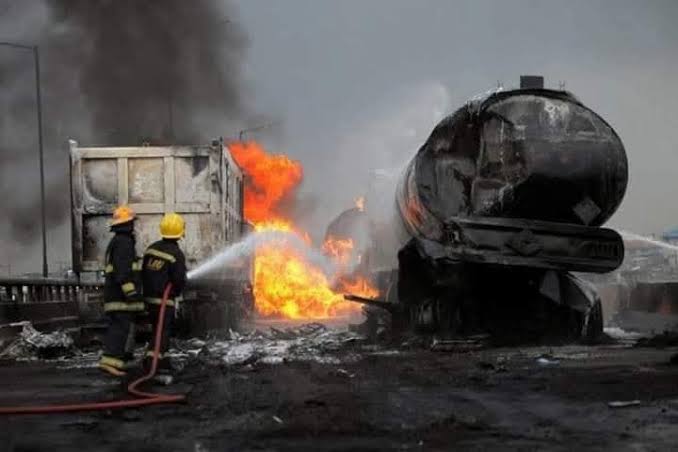 On a rainy evening in March 2025, a private SUV traveling from Suleja to Abuja lost control while overtaking at high speed. The vehicle skidded into an oncoming bus, killing 6 people, including 2 children.
Eyewitnesses said the SUV was moving at “over 140 km/h,” despite the road being wet and visibility poor. FRSC’s post-crash report listed “excessive speeding” as the primary cause
What Needs to Happen Now
1. Nationwide Speed Camera Network: Deploy automated speed enforcement cameras at key crash-prone zones. Technology doesn’t collect bribes.
2. Stricter Penalties: Fine or suspend licenses for repeat offenders. Name-and-shame campaigns on TV can act as deterrents.
3. Public Speed Awareness Campaigns: Real stories, real people. Share survivor accounts, grief-stricken families, and rescue visuals to hammer the message home.
4. Speed Limiter Installation Enforcement: Many commercial buses tamper with their speed limiters. FRSC must work with motor parks and unions to inspect and audit compliance regularly.
What You Can Do as a Driver
- Check your speedometer often.
- Drive slower when it’s raining, foggy, or at night.
- Never try to “outspeed” another driver, you’re not in a race.
- Set an example. People, including your children are watching how you drive.
Conclusion
Speeding is not just a violation of road rules, it’s a potential death sentence for you and others. The time has come for FRSC to move beyond awareness to strict enforcement. The road should not be a battleground, and speed shouldn’t determine who lives and who dies.
“Speed Kills. Drive Safe.”
It starts with accountability. And it starts now.







Four Injured as Commercial Bus Plunges Into Ditch in Ojodu

Driver Injured After Crashing Into Trees on Hwy 59 Near FM 1314 in Texas

Truck Kills Minor, Two Others in Ogun Expressway Crash Near Abeokuta
11 Killed in Kalyan–Murbad Highway Crash as Taxi Collides with Cement Truck

Fuel Tanker Driver Caught Siphoning Fuel Near Bangui Airport

Major Crash Causes Traffic Gridlock on I-37 San Antonio

Bus Driver Killed, 9 Injured in Highway Crash in Tamil Nadu, India
3 Teenagers Killed in Florida Crash After Vehicle Veers Off Road

Driver Pinned Under Overturned Vehicle in Bunnlevel Crash

Four Teenagers Shot in Atlanta Neighborhood, Police Launch Investigation
Truck Kills Minor, Two Others in Ogun Expressway Crash Near Abeokuta
Driver Injured After Crashing Into Trees on Hwy 59 Near FM 1314 in Texas
Four Injured as Commercial Bus Plunges Into Ditch in Ojodu

Slow Down: Man got his Family Killed by neglecting road signs

Which Bridge is the Tallest in the World?
Impatient Driving Cause Road Accident
How Roads are Constructed on the Mountain

Texas, USA suffers heavy flooding