
Car/Vehicle Maintenance
Tips for preventing Engine knock

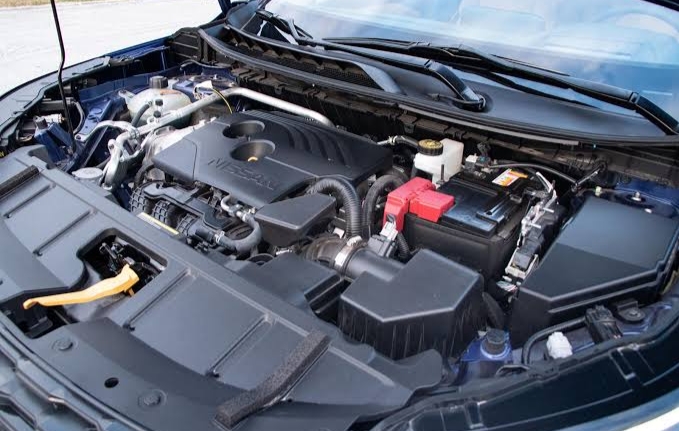
Engine knock or detonation can be an exceedingly vexing issue for automobile owners, it can be caused by various factors.
However, fear not, for there exist a multitude of steps that one can undertake to prevent this troublesome predicament and ensure the seamless operation of one’s engine.
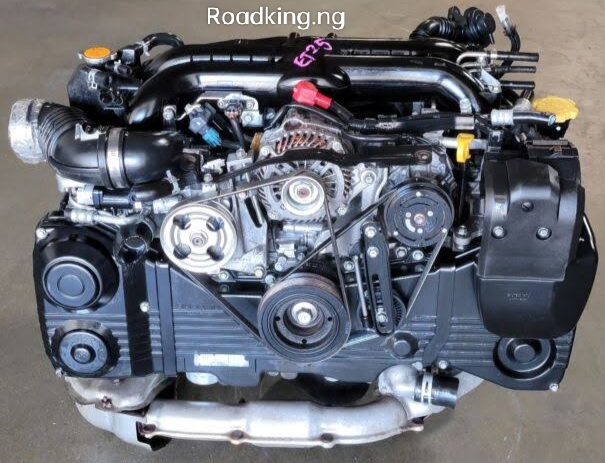
Engine unit
Firstly, it is of utmost importance to utilize fuel of highest quality, possessing the precise octane rating that is suitable for one’s particular vehicle.
This judicious choice of fuel shall serve to avert the untimely ignition of the fuel-air mixture within the combustion chamber, thereby significantly diminishing the probability of engine knocking.
Moreover, the regular maintenance of one’s vehicle is an indispensable practice.
One must diligently inspect and replace the spark plugs on a routine basis, as the presence of worn or soiled plugs can undeniably contribute to the occurrence of engine knocking.
Lastly, one must exercise prudence in one’s driving habits.
The adoption of a more restrained approach to acceleration and the avoidance of excessive engine load shall undoubtedly alleviate the undue strain imposed upon the engine, thereby mitigating the risk of engine knocking.

Engine piston
By faithfully adhering to these preventive measures, one shall be able to maintain the harmonious functioning of one’s engine and successfully evade the exasperation that accompanies the occurrence of engine knocking.
Reasons why Engine knock
Engine knock, or detonation, can be caused by various factors including:
- Low Octane Fuel: Using fuel with an octane rating lower than recommended for your engine can lead to premature ignition, causing knocking.
- Incorrect Ignition Timing: Timing that is too advanced can cause the air-fuel mixture to ignite before the piston reaches the top of its compression stroke, resulting in knocking.
- Carbon Deposits: Accumulation of carbon deposits on the pistons, valves, or combustion chamber can create hot spots and lead to knocking.
- Overheating: Excessive engine temperature can cause pre-ignition, contributing to engine knock.
- Faulty Knock Sensor: A malfunctioning knock sensor may fail to detect and address knocking, allowing it to persist.
- Worn Spark Plugs: Old or worn-out spark plugs may not ignite the fuel properly, contributing to knocking.
- Lean Air-Fuel Mixture: An excessively lean mixture can cause the combustion process to become unstable, leading to knocking.
- Mechanical Issues: Problems with components like the fuel injectors, valves, or piston rings can contribute to knocking.
Regular maintenance and using the right fuel are essential to prevent and address engine knock. If persistent, consult a mechanic for a thorough inspection.

Five Die as Truck, Car Collide on Badagry Expressway

Two Killed as Trucks Collide, Burst Into Flames on Anambra Road

Stakeholders Raise Alarm Over Safety Gaps in Nigeria’s CNG and Electric Vehicle Transition

Female Driver Dies in Tragic Road Crash at Mongoro, Ile-Zik Area of Lagos

Physically Challenged Beggar Killed in Multi-Vehicle Crash on Lagos-Ibadan Expressway

Court Bars FRSC Officials From State Roads

24 Pupils Killed in Tragic Bus Crash During School Excursion in Uganda

Tyre Blowouts on Heavy Trucks

BYD Seal EV: Can It Challenge Traditional Sedans?

Colorado to Strengthen Driver Education Requirements

Slow Down: Man got his Family Killed by neglecting road signs

Which Bridge is the Tallest in the World?
Impatient Driving Cause Road Accident
How Roads are Constructed on the Mountain

Texas, USA suffers heavy flooding