
Articles
How Long Should New Tires Last?

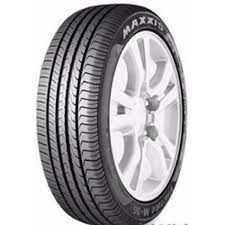
Tires are a crucial component of any vehicle, affecting safety, performance, and fuel efficiency. When purchasing a new set of tires, one of the most common concerns is how long they will last before needing a replacement.
The lifespan of a new tire depends on several factors, including the type of tire, driving habits, road conditions, and maintenance.
In this article, we will explore the expected lifespan of different types of tires, the factors that influence tire longevity, and tips to extend their life.
Average Lifespan of a New Tire
On average, a new tire should last between 25,000 and 80,000 miles, depending on the brand and type. Many manufacturers provide a treadwear warranty that gives an estimated mileage lifespan. Here is a general breakdown:
- Standard All-Season Tires: 50,000 – 80,000 miles
- Performance Tires: 25,000 – 50,000 miles
- Winter/Snow Tires: 30,000 – 40,000 miles
- All-Terrain Tires: 40,000 – 70,000 miles
- Mud-Terrain Tires: 20,000 – 40,000 miles
Most drivers will need to replace their tires every 3 to 6 years, depending on mileage and driving conditions.
Factors That Affect Tire Longevity
Several factors influence how long a new tire will last, including:
1. Tire Type and Quality
The composition and design of a tire significantly impact its longevity. High-performance tires tend to wear out faster due to softer rubber compounds, while touring or all-season tires are designed for longevity. Premium brands often offer better durability compared to budget options.
2. Driving Habits
Aggressive driving, such as hard braking, rapid acceleration, and sharp cornering, can wear out tires more quickly. Smooth, consistent driving helps maximize tread life.
3. Road Conditions
Driving on rough, unpaved roads, potholes, or surfaces with debris can accelerate tire wear. Urban driving with frequent stops and starts also contributes to faster wear compared to highway driving.
4. Climate and Weather
Extreme temperatures, especially hot weather, can cause tires to degrade faster. Exposure to UV rays, excessive rain, and snow can also impact tire lifespan.
5. Tire Maintenance
Proper maintenance is essential for maximizing tire life. Key maintenance practices include:
- Tire Rotation: Regularly rotating tires (every 5,000 – 7,500 miles) ensures even wear.
- Proper Inflation: Maintaining the correct air pressure prevents uneven tread wear and improves fuel efficiency.
- Wheel Alignment: Misaligned wheels can cause uneven tire wear and reduce lifespan.
- Balancing: Ensuring tires are properly balanced reduces vibrations and extends tread life.
6. Treadwear and Age
Even if a tire has good tread depth, it should be replaced if it is older than six years. Tires degrade over time due to oxidation, even if they are not used frequently. Check the DOT code on the tire sidewall to determine its manufacturing date.
Signs That Your Tires Need to Be Replaced
Even if your tires have not reached their expected mileage, you should replace them if you notice any of the following signs:
- Tread Depth Below 2/32 Inch: Use the penny test—insert a penny into the tread with Lincoln’s head facing down. If you can see the top of his head, it’s time to replace the tire.
- Cracks or Bulges: Visible cracks or bulges indicate structural damage.
- Uneven Wear: If one side of the tire is more worn than the other, it may be due to improper alignment or inflation.
- Frequent Loss of Air Pressure: Tires that don’t hold air well may have internal damage.
- Excessive Vibration While Driving: This can signal tire imbalance or internal damage.
Tips to Extend Tire Life
To get the most out of your new tires, follow these best practices:
- Drive Smoothly: Avoid sudden stops and rapid acceleration.
- Check Tire Pressure Monthly: Underinflated or overinflated tires wear unevenly.
- Rotate Tires Regularly: This ensures even wear across all four tires.
- Keep Your Vehicle Aligned: Misalignment can cause premature tire wear.
- Store Tires Properly: If using seasonal tires, store them in a cool, dry place away from direct sunlight.
A new tire should last anywhere from 25,000 to 80,000 miles, depending on the type, quality, and driving conditions.
Regular maintenance, proper inflation, and good driving habits can significantly extend their lifespan. Checking for signs of wear and replacing tires when necessary is crucial for safety and performance. By following these tips, you can ensure that your tires last as long as possible while providing a smooth and safe ride.


Truck Driver Rescued After Crash on M13 Highway in Kloof

10 Injured in Multi-Vehicle Crash on Agra–Lucknow Expressway

29 Passengers Injured After Bus Veers Off Highway in Gujarat, India

Pedestrian Killed in Hit-and-Run on Lagos–Ibadan Expressway

One Dead, 11 Injured in Brooklyn Chain-Reaction Crash Involving FDNY Fire Truck

Truck Overturns on Otedola Bridge, Causing Major Traffic Gridlock in Lagos

Two Separate Highway Crashes Leave One Dead, Several Injured in Katsina

Victor Osimhen Reportedly Buys ₦1.4 Billion Lamborghini Revuelto Supercar

Truck Crash Kills Three After Collision With Parked Trailer in Kano

3 Killed, 6 Injured in Multiple-Vehicle Crash on Lagos–Abeokuta Expressway
Seven Killed, Eight Injured in Pakistan Makran Coastal Highway Crash

Kenya Report Reveals Heavy Cost of Road Traffic Injuries on Healthcare System
Multi-Vehicle Crash Causes Fire and Gridlock on Admiralty Way, Lagos
Victor Osimhen Reportedly Buys ₦1.4 Billion Lamborghini Revuelto Supercar
1 Killed as Speeding Bike Loses Control in Trichy
One Dead, 11 Injured in Brooklyn Chain-Reaction Crash Involving FDNY Fire Truck
3 Killed, 6 Injured in Multiple-Vehicle Crash on Lagos–Abeokuta Expressway
Truck Crash Kills Three After Collision With Parked Trailer in Kano
Pedestrian Killed in Hit-and-Run on Lagos–Ibadan Expressway
10 Injured in Multi-Vehicle Crash on Agra–Lucknow Expressway

Slow Down: Man got his Family Killed by neglecting road signs

Which Bridge is the Tallest in the World?
Impatient Driving Cause Road Accident
How Roads are Constructed on the Mountain

Texas, USA suffers heavy flooding