
Articles
How to Avoid Car Overheating in Summer:

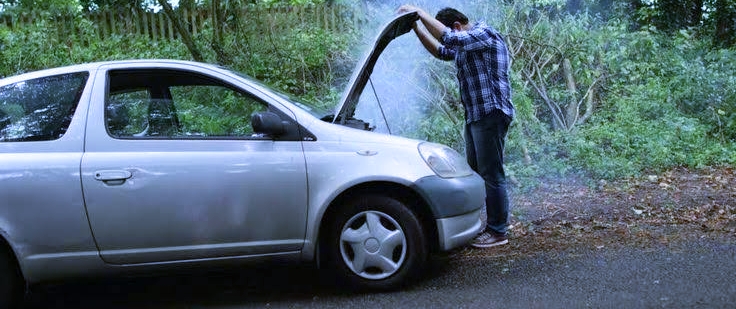
Summer brings high temperatures, road trips, and the potential for your car to overheat. Overheating can lead to engine damage, expensive repairs, and delays on the road.
However, with proper care and a few proactive measures, you can prevent your car from overheating even in the hottest weather.
This article will discuss the causes of car overheating, how to recognize warning signs, and practical tips for keeping your car cool during summer driving.
Why Cars Overheat in Hot Weather
Your car’s engine generates immense heat during operation, which is managed by the cooling system. In summer, the additional environmental heat can strain this system, leading to overheating. Common causes include:
1. Low Coolant Levels: Insufficient coolant reduces the system’s ability to regulate engine temperature.
2. Faulty Thermostat: A malfunctioning thermostat can block coolant flow, causing heat to build up.
3. Broken Radiator or Fan: A damaged radiator or fan cannot effectively dissipate heat.
4. Clogged Hoses: Debris in the cooling system can restrict coolant flow, increasing engine heat.
5. Excessive Idling: Prolonged idling, especially in traffic, adds heat without sufficient airflow to cool the engine.
Understanding these factors helps in maintaining your car and preventing overheating.
Signs Your Car is Overheating
Recognizing the warning signs of an overheating car is crucial to avoiding severe damage. Look for:
1. Temperature Gauge Rising: The needle moving toward the red zone indicates overheating.
2. Steam from the Hood: This is a clear sign that your engine is too hot.
3. Burning Smell: Overheating can cause engine oil or coolant to burn, emitting a distinct odor.
4. Warning Lights: Many vehicles have dashboard lights that signal engine temperature issues.
If you notice these signs, take immediate action to prevent further damage.
Tips to Prevent Car Overheating in Summer
1. Check Coolant Levels Regularly
Ensure your coolant reservoir is filled to the recommended level. Check for leaks in the cooling system and top off with the correct type of coolant.
2. Inspect the Radiator and Hoses
Look for cracks, clogs, or leaks in the radiator and hoses. Clean the radiator fins to ensure proper airflow and cooling efficiency.
3. Maintain the Thermostat
A faulty thermostat can cause overheating by disrupting coolant flow. Replace it if you notice irregular temperature gauge readings or heating issues.
4. Keep the Engine Oil at Optimal Levels
Engine oil helps dissipate heat by lubricating moving parts. Check and change your oil according to your car’s maintenance schedule, especially in summer.
5. Use the Air Conditioning Wisely
Running the AC continuously puts extra load on the engine. Alternate between using the AC and rolling down windows to balance engine strain.
6. Avoid Overloading Your Vehicle
Excess weight increases engine workload, causing it to heat up faster. Remove unnecessary items from your car and stick to recommended load limits.
7. Monitor the Temperature Gauge
Keep an eye on your temperature gauge during drives. If it starts to rise, take preventive measures like turning off the AC or pulling over to let the engine cool.
8. Park in the Shade
Parking under direct sunlight heats the engine and interior, making the cooling system work harder. Use shaded areas or a car sunshade to keep your vehicle cooler.
9. Avoid Prolonged Idling
Prolonged idling in traffic can overheat your car, as there is limited airflow to the radiator. Turn off the engine if you anticipate a long wait.
10. Turn on the Heater if the Engine is Overheating
Turning on the heater can redirect heat away from the engine and help lower its temperature. This is a temporary fix until you can stop and address the issue.
What to Do if Your Car Overheats
Despite precautions, overheating can still occur. If it does:
1. Pull Over Safely: Turn on your hazard lights and stop in a safe location.
2. Turn Off the Engine: Let the engine cool for at least 15-30 minutes before attempting any action.
3. Check the Coolant: If the coolant is low, refill it once the engine has cooled completely.
4. Inspect for Leaks: Look for visible leaks in the cooling system.
5. Call for Assistance: If you can’t resolve the issue, contact a mechanic or roadside assistance.
Preventive Maintenance for Hot Weather Driving
Proactive maintenance is key to avoiding car overheating during summer. Here’s what to include in your routine:
- Coolant Flush: Replace old coolant with fresh fluid according to your car’s manual.
- Radiator Maintenance: Ensure the radiator is free of debris and functioning properly.
- Fan Belt Check: Inspect the fan belt for wear and tear, as a broken belt can disable the cooling system.
- Battery Check: Summer heat can also affect the battery, so keep it in good condition.
Car overheating is a common issue during summer, but it can be avoided with proper care and attention.
Regular maintenance, checking coolant levels, and driving habits tailored for hot weather are essential in keeping your car running smoothly.
By recognizing the signs of overheating and taking immediate action, you can prevent costly repairs and ensure a safe driving experience.
Follow these tips, and you’ll be well-prepared for hot weather driving without the worry of engine overheating.


Stakeholders Raise Alarm Over Safety Gaps in Nigeria’s CNG and Electric Vehicle Transition

Female Driver Dies in Tragic Road Crash at Mongoro, Ile-Zik Area of Lagos

Physically Challenged Beggar Killed in Multi-Vehicle Crash on Lagos-Ibadan Expressway

Court Bars FRSC Officials From State Roads

24 Pupils Killed in Tragic Bus Crash During School Excursion in Uganda

Tyre Blowouts on Heavy Trucks

BYD Seal EV: Can It Challenge Traditional Sedans?

Colorado to Strengthen Driver Education Requirements

2026 Hyundai Ioniq 5 N Gets Major Price Cut, Boosting Performance Value

FG Renames Lagos-Calabar Coastal Highway in Landmark Move

Slow Down: Man got his Family Killed by neglecting road signs

Which Bridge is the Tallest in the World?
Impatient Driving Cause Road Accident
How Roads are Constructed on the Mountain

Texas, USA suffers heavy flooding