
Update on Road Construction
How Poor Road Conditions Affect Developing Nations

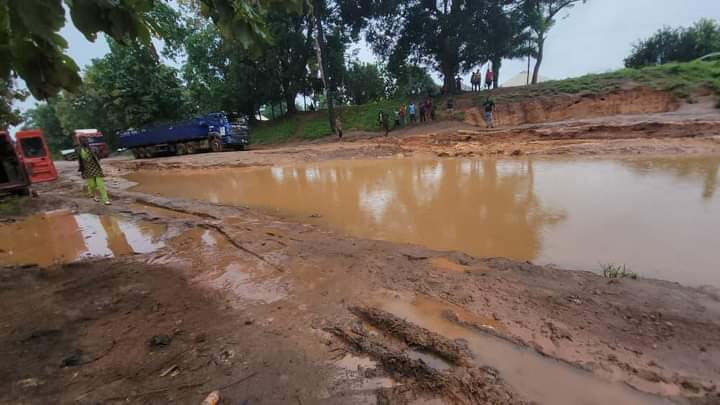
Road infrastructure is a critical component of a nation’s development. It connects people to essential services, facilitates trade, and stimulates economic growth.
However, in many developing nations, poor road conditions remain a significant challenge. Potholes, unpaved roads, inadequate drainage, and lack of maintenance not only hinder economic progress but also impact the quality of life, safety, and health of citizens.
This article explores the far-reaching effects of poor road conditions on developing nations and highlights why addressing this issue is essential for sustainable development.
1. Economic Impact
Poor road infrastructure has a direct impact on the economy of developing nations. Roads serve as the backbone of trade and commerce, and inadequate infrastructure can stifle economic activity in several ways.
- Reduced Productivity: Bad roads lead to longer travel times, delayed deliveries, and increased transportation costs. For businesses, this translates into reduced efficiency and higher operating expenses.
- Higher Vehicle Maintenance Costs: Vehicles traveling on poorly maintained roads suffer from more frequent damage, leading to increased repair and maintenance expenses. These costs are ultimately passed on to consumers, driving up the price of goods and services.
- Impeded Trade: Poor road connectivity makes it challenging for rural producers to access urban markets, limiting economic opportunities for farmers and small businesses. This isolation perpetuates poverty in rural areas.
Example: In countries like Nigeria and India, pothole-ridden highways slow down the movement of goods, affecting industries reliant on timely deliveries, such as agriculture and manufacturing.
2. Impact on Public Safety
One of the most visible effects of poor road conditions is the increase in road accidents and fatalities.
- Potholes and Cracks: Uneven road surfaces and potholes are a leading cause of accidents, especially for motorcyclists and cyclists who are more vulnerable to losing balance.
- Lack of Proper Markings: In many developing nations, roads lack proper lane markings, signage, and lighting, making nighttime driving particularly dangerous.
- Flooding and Erosion: Poor drainage systems exacerbate road degradation during heavy rains, leading to waterlogged or eroded roads that are treacherous to navigate.
Statistics: According to the World Health Organization (WHO), road traffic injuries are a leading cause of death in low- and middle-income countries, where poor road conditions are a significant contributing factor.
3. Hindrance to Education and Healthcare Access
Poor road infrastructure in developing nations disproportionately affects vulnerable populations by limiting access to essential services such as education and healthcare.
- School Attendance: Children in rural areas often have to travel long distances to attend school. Bad roads make these journeys unsafe and difficult, leading to high dropout rates, particularly during the rainy season.
- Delayed Medical Care: In emergencies, poor road conditions can prevent ambulances from reaching patients or transporting them to hospitals in time. This delay in medical care can be life-threatening, especially for pregnant women, accident victims, and those with critical illnesses.
Case Study: In sub-Saharan Africa, many pregnant women face significant challenges accessing healthcare facilities due to impassable roads, contributing to high maternal mortality rates.
4. Social Isolation and Inequality
Inadequate road infrastructure perpetuates social inequality by isolating rural and underserved communities.
- Limited Mobility: Poor roads restrict people’s ability to travel for work, education, or social activities, leading to a lack of integration between urban and rural areas.
- Unequal Opportunities: Urban areas with better road networks attract more investment and resources, while rural areas remain underdeveloped. This disparity widens the gap between rich and poor regions.
- Impact on Women: In many developing nations, women are more likely to bear the burden of poor road infrastructure, as they are often responsible for fetching water, firewood, or other necessities that require travel on unsafe paths.
5. Environmental Consequences
Poorly constructed and maintained roads can also harm the environment, exacerbating challenges faced by developing nations.
- Erosion and Deforestation: Roads without proper drainage systems can lead to soil erosion, while the construction of unplanned roads often results in deforestation, disrupting ecosystems.
- Air Pollution: Vehicles traveling on dusty, unpaved roads release more particulate matter into the air, contributing to poor air quality and respiratory issues among nearby residents.
- Water Contamination: Flooded roads can wash pollutants, such as oil and chemicals from vehicles, into nearby water sources, affecting both human and animal populations.
6. Barriers to Tourism and Foreign Investment
Poor road infrastructure discourages tourism and limits foreign investment opportunities, which are crucial for economic growth in developing nations.
- Tourism Decline: Unsafe or impassable roads to tourist attractions deter visitors, depriving local communities of income that could be generated from tourism.
- Investor Reluctance: Businesses are less likely to invest in areas where transportation is unreliable and expensive. Poor road conditions send a message of inadequate governance and infrastructure management.
Example: In regions like East Africa, where safari tourism is a major industry, bad roads have been a significant deterrent for international travelers.
7. Solutions for Improving Road Infrastructure
Addressing poor road conditions in developing nations requires a multi-faceted approach:
- Increased Investment: Governments need to allocate more resources to road construction and maintenance, prioritizing high-traffic areas and rural connectivity.
- Public-Private Partnerships (PPPs): Collaborations between governments and private companies can help fund large-scale infrastructure projects.
- Use of Durable Materials: Roads constructed with high-quality materials are less prone to degradation, reducing long-term maintenance costs.
- Community Involvement: Local communities should be involved in road planning and maintenance, ensuring that their needs are met and that roads are well-maintained.
- Technology and Innovation: Developing nations can adopt technologies like road sensors and geotextiles to improve road durability and monitor wear and tear.
Poor road conditions significantly hinder the growth and development of developing nations, affecting everything from economic activity and public safety to education and healthcare.
Addressing this issue is not just a matter of infrastructure improvement; it’s a step toward reducing inequality, improving quality of life, and ensuring long-term sustainability.
By prioritizing investment in road infrastructure, developing nations can unlock their full potential and create a better future for their citizens.

Five Die as Truck, Car Collide on Badagry Expressway

Two Killed as Trucks Collide, Burst Into Flames on Anambra Road

Stakeholders Raise Alarm Over Safety Gaps in Nigeria’s CNG and Electric Vehicle Transition

Female Driver Dies in Tragic Road Crash at Mongoro, Ile-Zik Area of Lagos

Physically Challenged Beggar Killed in Multi-Vehicle Crash on Lagos-Ibadan Expressway

Court Bars FRSC Officials From State Roads

24 Pupils Killed in Tragic Bus Crash During School Excursion in Uganda

Tyre Blowouts on Heavy Trucks

BYD Seal EV: Can It Challenge Traditional Sedans?

Colorado to Strengthen Driver Education Requirements

Slow Down: Man got his Family Killed by neglecting road signs

Which Bridge is the Tallest in the World?
Impatient Driving Cause Road Accident
How Roads are Constructed on the Mountain

Texas, USA suffers heavy flooding