
Car/Vehicle Maintenance
Why Functional Vehicle Lights Are Vital for Road Safety in Nigeria

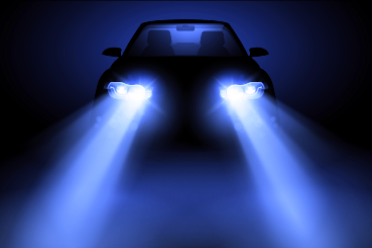
Vehicle lights are among the most underestimated safety components on Nigerian roads.
Also Read: Why Drivers Keep Ignoring Traffic Lights
Yet, they play a decisive role in preventing night-time crashes, poor-visibility collisions, and pedestrian knockdowns.
From headlights and brake lights to indicators and hazard lamps, a properly functioning lighting system is essential for both seeing and being seen.
Across highways, rural roads, and urban corridors, RoadKing.ng has observed that a large number of accidents, especially at night are linked to faulty, dim, or completely non-functional vehicle lights.
The Role of Vehicle Lights
Vehicle lights serve two major purposes: visibility and communication.
They allow drivers to:
- See road signs, pedestrians, animals, potholes, and stalled vehicles
- Judge distances and road curvature
- Navigate safely during rain, dust, or fog
They also allow other road users to:
- See approaching vehicles
- Know when a driver is braking or turning
- Detect broken-down vehicles ahead
When any part of this system fails, the risk of collision rises sharply.
Common Lighting Problems on Nigerian Roads
Frequent lighting-related issues observed include:
- Burnt or weak headlights
- Faulty brake lights
- Broken rear lights
- Non-functional indicators
- Improvised or wrongly-fitted bulbs
- Vehicles driving at night with only one headlamp
Such defects make vehicles almost invisible at night and drastically reduce reaction time for other motorists.
Safety Consequences of Poor Vehicle Lighting
Road safety experts warn that faulty lights contribute significantly to:
- Rear-end collisions – when brake lights fail
- Head-on crashes – due to poor visibility
- Pedestrian fatalities – when drivers cannot see people crossing
- Highway pile-ups – especially in rain or fog
- Night-time breakdown deaths – when stalled vehicles are not visible
According to road safety patterns monitored by RoadKing.ng, night crashes often result in more fatalities because they occur at higher speeds and with delayed response times.
Key Lights Every Vehicle Must Have in Good Condition
- Headlights (high and low beam)
- Tail lights
- Brake lights
- Turn indicators
- Reverse lights
- Hazard warning lights
- Fog lights (where available)
Failure of any of these compromises road communication and safety.
Vehicle Lighting Maintenance Tips
Drivers are advised to:
- Inspect all lights weekly
- Replace dim or flickering bulbs immediately
- Clean headlamp lenses regularly
- Avoid using wrong or overpowered bulbs
- Check wiring during routine servicing
- Test lights before long-distance journeys
Commercial drivers should treat lighting checks as mandatory before daily operations.
Conclusion
On Nigerian roads, where night travel is often unavoidable vehicle lights are life-saving equipment, not accessories.
Functional lighting systems protect drivers, passengers, pedestrians, and other motorists.
Ensuring that all vehicle lights work properly is one of the simplest yet most powerful steps toward reducing night-time road fatalities.




Six Passengers Killed in Fatal Road Crash Along Keffi–Akwanga

Pedestrian Struck & Killed on Kamo Road in Whangārei, New Zealand

UAE Road Safety Alert During Ramadan 2026
Five Killed as Fuel Tanker Crushes Tricycle in Bayelsa

Traffic Delays Hit North Texas After Multiple Highway Accidents
Mother, Son Survive Horrific SUV Overturn Crash in Lagos

Dozens Injured in Two Separate Bus Crashes in Israel’s Negev

Minibus Drivers Block Roads in Calabar Over ₦700 Daily Ticket Fees

Essential Road Safety Tips Every Traveler Must Know in 2026

Bad Vehicle Maintenance: The Silent Killer on Roads Worldwide
Three Killed in Multi-Vehicle Crash in Northern Ireland

Fatal Drunk Driving Crash Claims Woman’s Life on Clay Road

Lansdale Residents Lead Local Road Safety Initiative to Protect Community

How Turkey Is Using Real Wrecked Cars to Warn Drivers
Sixteen Killed in Fiery Bus–Truck Collision in Yemen
Motorcyclist Crash Shuts Down M40 Motorway in UK, Causes Major Traffic Disruption

Delhi Introduces Safety Reward Scheme for Citizens Who Assist Road Accident Victims

Major Multi-Vehicle Collision Shuts Down M25 in Both Directions
Dozens Injured in Two Separate Bus Crashes in Israel’s Negev

Senior Police Officer Dies in Fatal Road Crash in Borno

Slow Down: Man got his Family Killed by neglecting road signs

Which Bridge is the Tallest in the World?
Impatient Driving Cause Road Accident
How Roads are Constructed on the Mountain

Texas, USA suffers heavy flooding