
Road Safety / Heavy Vehicle Awareness
Why Speeding Remains One of the Deadliest Driving Habits

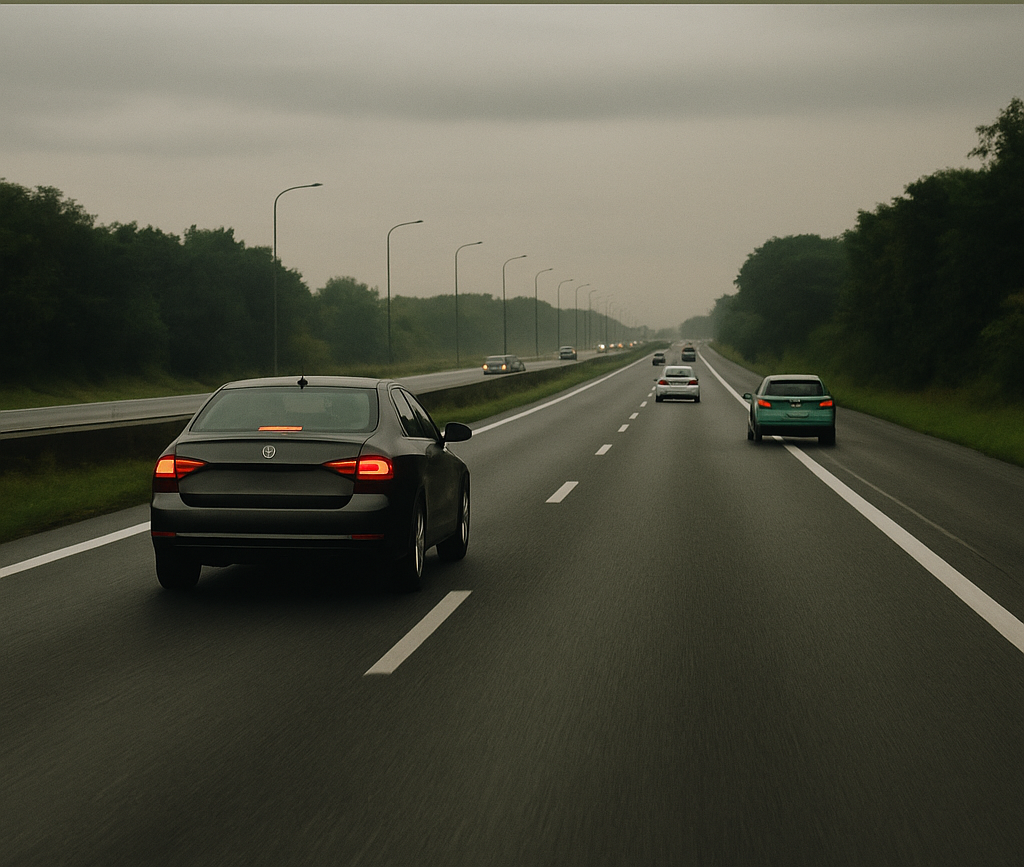
Despite decades of road safety campaigns and enforcement efforts, speeding continues to rank among the leading causes of fatal road crashes in Nigeria, according to traffic authorities and transport safety experts.
Also Read: 5 Reasons Why Your Steering Wheel Might Vibrate at Highway Speeds
Across highways, urban expressways, and even residential roads, excessive speed has been consistently linked to deadly collisions, pedestrian knockdowns, and multi-vehicle pileups.
RoadKing.ng crash trend reviews show that vehicles involved in high-speed crashes are far more likely to record multiple fatalities and severe injuries.
How Speed Turns Crashes Deadly
Road safety experts explain that speed increases danger in three major ways:
1. Reduced Reaction Time
At high speed, drivers have less time to observe hazards and react. A pedestrian crossing, a broken-down truck, or a sudden bend becomes almost impossible to avoid.
2. Longer Stopping Distance
The faster a vehicle moves, the longer it takes to stop. Even fully functional brakes cannot overcome the physics of high-speed motion.
3. Greater Impact Force
Speed multiplies the force of collision. This often results in crushed vehicles, instant fatalities, and catastrophic injuries.
Where Speeding Is Most Common
Traffic agencies identify the following as high-speed risk zones:
- Inter-state highways and dual carriageways
- Newly rehabilitated roads
- Late-night and early-morning travel hours
- Lightly trafficked expressways
These conditions often give drivers a false sense of safety, encouraging extreme speeding.
Who Is Most at Risk
FRSC officials say speeding is most prevalent among:
- Commercial bus drivers rushing trip schedules
- Private motorists on long-distance travel
- Youthful drivers seeking thrill or competition
- Truck drivers attempting to make up time lost to congestion
In many fatal crashes, investigators find speed well above posted limits.
Medical experts note that high-speed crashes frequently result in:
- Severe head and spinal injuries
- Traumatic amputations
- Multiple fatalities in a single incident
- Long-term disabilities for survivors
Families are often left devastated, while communities lose productive members of society.
The FRSC says it continues to deploy speed enforcement tools, patrols, and public education campaigns. Speed limiters are also mandated for certain categories of commercial vehicles.
However, safety advocates argue that enforcement alone is not enough. They call for:
- Improved road signage
- Public re-orientation on speed culture
- Stronger penalties for repeat offenders
- Integration of road safety education in schools
Experts stress that speed does not save time in traffic-prone environments but drastically increases the risk of death.
Drivers are urged to respect posted limits, especially in built-up areas, school zones, and highways with heavy truck presence.
Conclusion
Speeding is not a driving skill, it is a deadly habit. Until Nigerian motorists collectively embrace responsible speed management, fatal crashes will continue to claim lives unnecessarily.






Five Die as Truck, Car Collide on Badagry Expressway

Two Killed as Trucks Collide, Burst Into Flames on Anambra Road

Stakeholders Raise Alarm Over Safety Gaps in Nigeria’s CNG and Electric Vehicle Transition

Female Driver Dies in Tragic Road Crash at Mongoro, Ile-Zik Area of Lagos

Physically Challenged Beggar Killed in Multi-Vehicle Crash on Lagos-Ibadan Expressway

Court Bars FRSC Officials From State Roads

24 Pupils Killed in Tragic Bus Crash During School Excursion in Uganda

Tyre Blowouts on Heavy Trucks

BYD Seal EV: Can It Challenge Traditional Sedans?

Colorado to Strengthen Driver Education Requirements

Slow Down: Man got his Family Killed by neglecting road signs

Which Bridge is the Tallest in the World?
Impatient Driving Cause Road Accident
How Roads are Constructed on the Mountain

Texas, USA suffers heavy flooding