
News Update
Why Living on the Streets Is Becoming Harder for the Homeless and Mentally-ill

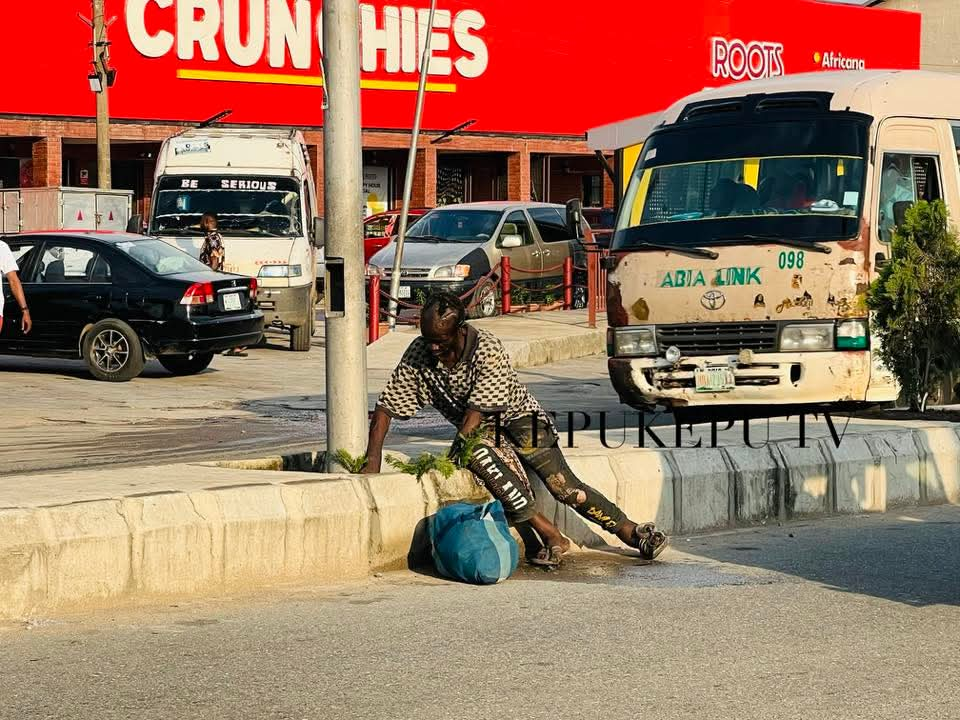
Across Nigeria, the sight of homeless individuals, mentally-ill wanderers, and street beggars sitting by the roadside has become a familiar reality, a silent reminder of the country’s deep social gaps.
Also Read: Abia State Gov. Begins construction of 41.5km Road
But in Abia State, something unusual is happening.
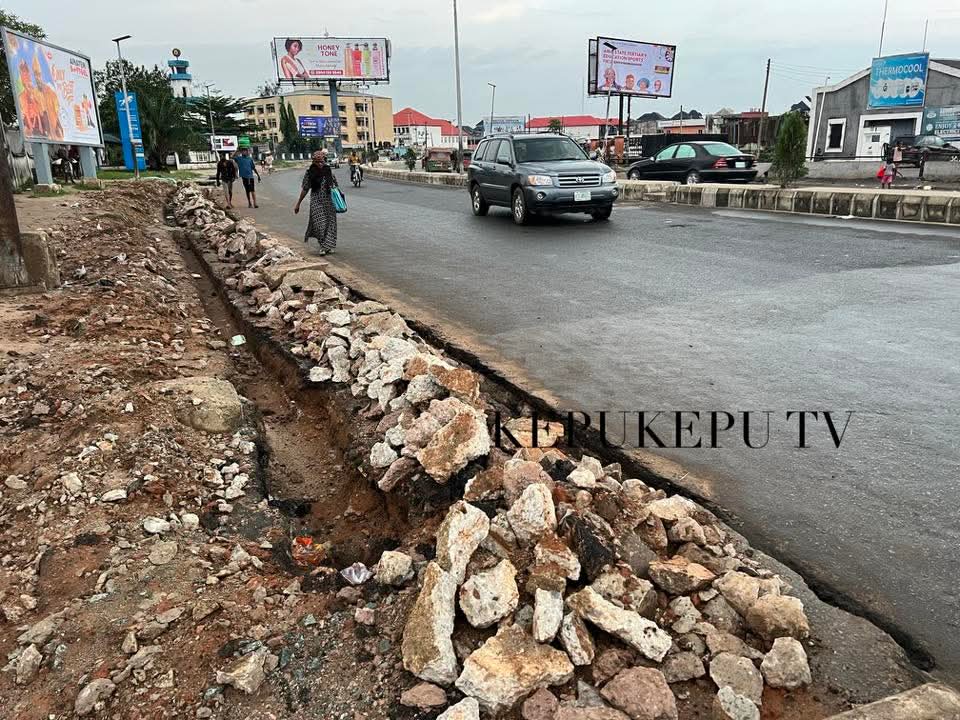
Over the past months, a sweeping road-cleaning and environmental restoration campaign has transformed major roads, medians, walkways, and public corridors. Gutters are cleared. Waste piles are gone. Illegal dumpsites have disappeared. Roads once choked by debris now gleam under the morning sun.
This environmental rebirth, though widely celebrated, has also created a new, often overlooked struggle for people who live on these roads, the homeless, mentally unstable, and displaced citizens who once depended on roadside spots for rest, survival, and scraps.
The images captured along a busy Abia roadway tell the story:
- Clean walkways with freshly dug drainage.
- A man, visibly unwell, sitting alone on a median, as traffic rushes past.
Abia’s roads are getting cleaner but the question RoadKing.ng is raising today is this:
As the roads get better, what happens to the people who call these roads home?
Abia State has undergone one of the most aggressive environmental sanitation drives seen in the region in years.
Key features observed:
- Gutters excavated and rebuilt
- Road shoulders cleared of sand and waste
- Major junctions swept daily
- Medians beautified and protected
- Roadside trading reduced
- Illegal dump points shut down
The roads, at first glance, appear almost un-Nigerian orderly, neat, and debris-free.
Commuters applaud the development, saying the new environmental discipline has improved:
- Traffic visibility
- Pedestrian movement
- Roadside cleanliness
- Overall public safety
But beneath the celebration lies the human story, one Abians rarely discuss.
According to city cleaners and road maintenance teams, the improved environment has unintentionally made life harder for:
- Homeless wanderers
- Mentally ill individuals who live on medians
- Disabled street beggars
- Elderly persons displaced from rural areas
- Drug-dependent youths
Why?
Because the government cleanup has removed the physical structures they used for survival, piles of waste, broken blocks, makeshift shelters, abandoned kiosks, or bushy corners.
What’s left for them?
Bare concrete.
Open medians.
Clean sidewalks with constant foot traffic.
No hiding places, no shade, no spots to rest.
And now, they are more exposed to:
- Fast-moving vehicles
- Harsh weather
- Hunger
- Public harassment
- Traffic accidents
In the second image, we see a man sitting alone on a road median.
He appears tired, confused, and physically vulnerable with only a small bundle beside him.
Cars and tricycles drive past him at alarming speed.
His position on the median while the road is clean highlights a harsh truth:
Urban beautification doesn’t eliminate human suffering; it only exposes it more clearly.
Without waste piles, block corners, or abandoned shops to shelter in, many displaced individuals now sit directly on medians or open shoulders — placing them in even greater danger of being struck by vehicles.
Clean roads are a victory.
But where do the vulnerable go?
RoadKing.ng urges policymakers to recognize that:
Clean streets without social support lead to clean-looking suffering.
A city cannot sweep its way out of mental health crises, displacement, poverty, addiction, or homelessness.
What Abia needs now:
- Temporary shelters
- Street-to-care programs
- State-led mental health outreach
- Social workers on highways
- Rehabilitation centers
- Night shelters for homeless individuals
- Community policing for vulnerable citizens
Until then, road medians may continue becoming “homes” for people who have nowhere else to go.
From a road safety perspective, the presence of displaced individuals on medians or shoulders introduces major risks:
1. Danger to Pedestrians
Mentally unstable persons sometimes cross suddenly, causing accidents.
2. Danger to Drivers
Unexpected movement on highways can lead to:
- Swerving
- Collisions
- Multi-vehicle pileups
3. Exposure to Fatal Crashes
Sleeping or resting on medians is extremely dangerous especially at night when visibility drops.
A simple miscalculation by a speeding vehicle can result in tragedy.
4. Lack of Emergency Response
Most vulnerable individuals lack:
- Access to healthcare
- Mental health support
- Rescue services
- Basic first aid
In a crash, they become unprotected victims.
This article is not to criticize the environmental achievement.
In fact, Abia’s cleanup is a model that other states should emulate.
Clean roads lead to:
- Fewer blockages
- Better drainage
- Reduced flooding
- Safer driving
- Improved aesthetics
- Lower accident rates at night
- Better pedestrian visibility
But development must be holistic, not cosmetic.
A clean city without a plan for the displaced is simply pushing the problem into public view.
Here are five policy moves Abia State should consider immediately:
1. Establish Community Reintegration Shelters
Provide temporary housing and food for the homeless and mentally ill.
2. Deploy Mobile Mental Health Teams
Trained units who move with patrol teams to engage vulnerable individuals.
3. Create Safe Zones Away from High-Speed Roads
Designated areas with:
- Shade
- Seating
- Social workers
- Clean water
4. Train Traffic Officers on Mental Health Response
So they know how to assist road wanderers safely.
5. Launch an “Adopt a Vulnerable Citizen” Social Project
Community-driven support for street individuals.
Abia’s clean roads are a proud symbol of transformation proof that a city can rise above neglect.
But progress must include everyone not just those with homes, cars, businesses, or influence.
The man sitting alone on that median is also a citizen.
He too deserves protection, dignity, and a chance to live safely.
A truly developed state builds:
- Roads for cars
- Walkways for pedestrians
- Systems for the vulnerable
Cleanliness is good. Safety is better. Humanity is best.

Six Passengers Killed in Fatal Road Crash Along Keffi–Akwanga

Pedestrian Struck & Killed on Kamo Road in Whangārei, New Zealand

UAE Road Safety Alert During Ramadan 2026
Five Killed as Fuel Tanker Crushes Tricycle in Bayelsa

Traffic Delays Hit North Texas After Multiple Highway Accidents
Mother, Son Survive Horrific SUV Overturn Crash in Lagos

Dozens Injured in Two Separate Bus Crashes in Israel’s Negev

Minibus Drivers Block Roads in Calabar Over ₦700 Daily Ticket Fees

Essential Road Safety Tips Every Traveler Must Know in 2026

Bad Vehicle Maintenance: The Silent Killer on Roads Worldwide
Three Killed in Multi-Vehicle Crash in Northern Ireland

Fatal Drunk Driving Crash Claims Woman’s Life on Clay Road

Lansdale Residents Lead Local Road Safety Initiative to Protect Community

How Turkey Is Using Real Wrecked Cars to Warn Drivers
Sixteen Killed in Fiery Bus–Truck Collision in Yemen
Motorcyclist Crash Shuts Down M40 Motorway in UK, Causes Major Traffic Disruption

Major Multi-Vehicle Collision Shuts Down M25 in Both Directions

Delhi Introduces Safety Reward Scheme for Citizens Who Assist Road Accident Victims

Senior Police Officer Dies in Fatal Road Crash in Borno
Dozens Injured in Two Separate Bus Crashes in Israel’s Negev

Slow Down: Man got his Family Killed by neglecting road signs

Which Bridge is the Tallest in the World?
Impatient Driving Cause Road Accident
How Roads are Constructed on the Mountain

Texas, USA suffers heavy flooding