
News Update
Breaking: Court Bars Police from Enforcing Tinted Glass Regulation in Nigeria

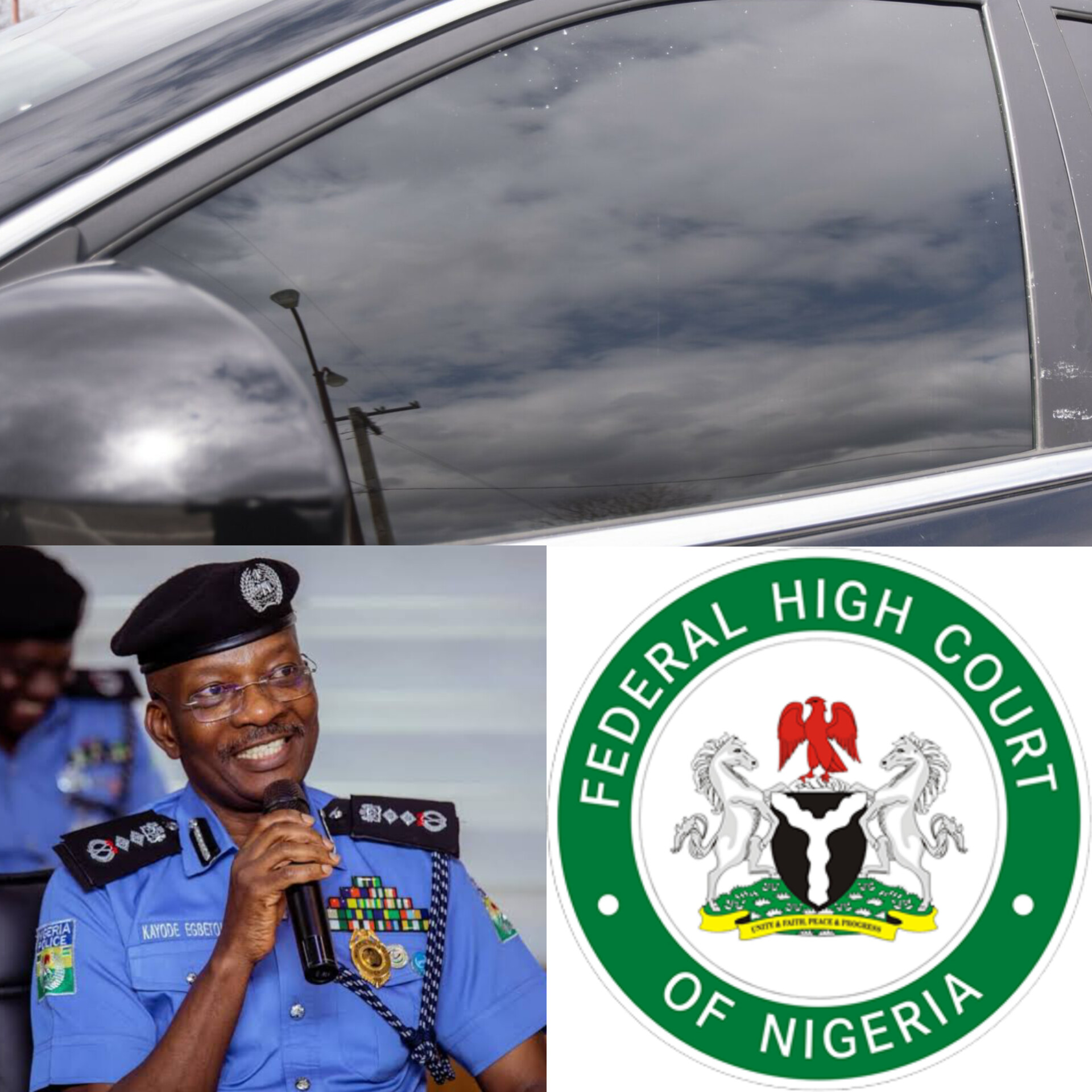
Landmark Ruling Eases Tension Between Motorists and Law Enforcement
In a landmark decision that will reshape the relationship between motorists and law enforcement in Nigeria, a Federal High Court has barred the Nigeria Police Force from enforcing the long-disputed tinted glass regulation.
Also Read: Police Crackdown on Tinted Vehicle Glasses in Abuja
The ruling, delivered on Wednesday, October 2, 2025, follows years of public complaints and heated confrontations between drivers and police officers over tinted vehicle permits. For many Nigerians, particularly commercial drivers and private car owners, the regulation had become synonymous with extortion, harassment, and prolonged legal confusion.
The Court’s Decision
The court held that the enforcement of tinted glass permits lacked proper legal backing under the current framework, describing police actions as “arbitrary” and “unconstitutional.” Justice S. A. Odugu, who presided over the case, ruled that no citizen should be subjected to harassment or intimidation on Nigerian roads under the guise of tinted glass enforcement until proper legislative clarity is established.
Motorists’ Reactions
The judgment sparked jubilation among motorists across major cities. In Lagos, commercial transport operators at Oshodi expressed relief, with one bus driver, Kunle Adeyemi, saying:
“Everyday na fight with police because of tinted glass permit wey nobody fit explain. Today, the court don free us from wahala.”
Private car owners in Abuja also welcomed the development, describing it as a victory for citizens who had long suffered at the hands of what they termed “roadside extortion.”
Police and FRSC Silent
As of press time, the Nigeria Police Force had yet to issue an official statement on whether it would appeal the ruling or comply immediately. The Federal Road Safety Corps (FRSC), which also partners in traffic enforcement, has maintained silence on the matter, though road users are demanding swift compliance.
Road Safety Experts Caution Drivers
While many celebrated the ruling, road safety experts urged motorists not to abuse the development. Engr. Tunde Bakare, a road traffic analyst, said:
“Yes, the court has barred police enforcement, but that does not mean drivers should turn their cars into blacked-out moving hazards. Safety comes first, visibility matters for accident prevention.”
Broader Implications
This ruling marks one of the few times the Nigerian judiciary has directly intervened in a policy affecting millions of motorists nationwide. It may also set a precedent for challenging other controversial road regulations.
However, observers warn that the judgment could create a temporary vacuum in road safety checks, especially in regions prone to criminal activity where tinted vehicles have been linked to kidnappings and robberies.
For now, Nigerian drivers can heave a sigh of relief, but the debate over balancing road safety with citizens’ rights is far from over.




Nasarawa Begins 2.6km Twin Flyover to End Mararaba Gridlock

Court of Appeal Bans VIO From Stopping or Impounding Vehicles Nationwide

FRSC Orders Construction Firms to Install Proper Road Signs Nationwide to Curb Rising Highway Deaths

Six Die, Five Injured in Fatal Collision at Nawfia, Anambra

Mali’s Fuel Shortage Eases as Over 300 Tankers Reach Bamako under Alliance of Sahel States (AES) Escort

Three Dead as Tanker Explosion Rocks Kano

5 Reliable Cars You Can Still Buy With ₦3–5 Million In Nigeria

Three Dead in Horror N4 Crash Near Middelburg Dam After Bakkies Collide
How FRSC Targeted Patrols & Special Operations Are Reducing Road Crashes in Nigeria

Over 500 Foreigners Intercepted on Adamawa Highway, Escorted Back by Security Forces
FRSC Orders Construction Firms to Install Proper Road Signs Nationwide to Curb Rising Highway Deaths
Court of Appeal Bans VIO From Stopping or Impounding Vehicles Nationwide
Nasarawa Begins 2.6km Twin Flyover to End Mararaba Gridlock

Slow Down: Man got his Family Killed by neglecting road signs

Which Bridge is the Tallest in the World?
Impatient Driving Cause Road Accident
How Roads are Constructed on the Mountain

Texas, USA suffers heavy flooding