
Petrol Price Update
Dangote & Others Raise Depot Price of Petrol to ₦823/litre Amid Crude Oil Surge


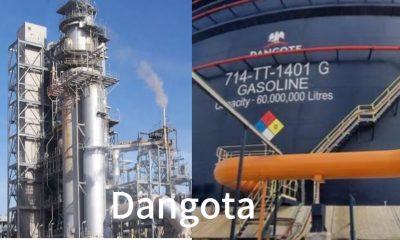
Starting over the weekend, three major players in Nigeria’s downstream oil industry, Dangote Petroleum Refinery, Aiteo, and AA Rano, raised the ex-depot (gantry) price of Premium Motor Spirit (PMS) to ₦823 per litre, up from ₦821. This increment reflects a response to rising global crude oil prices, which touched US$67 per barrel, up from US$65.
Also Read: Petrol Price Hike Amidst Rising Competition and Fuel Import Surge
What This Means on the Ground
Currently, retail pump prices remain steady, but industry watchers caution that this increase is unlikely to stay contained. Pump prices are expected to adjust upward later this week if underlying market forces continue to push depot costs higher.
Market Insights
Olajide Jeremiah, CEO of Petroleumprice.ng, offered this perspective:
“These frequent ex-depot adjustments reflect ongoing crude market volatility and intense competition among downstream players. We expect pump prices to follow soon.”
Meanwhile, Billy Gillis‑Harry, National President of PETROAN (Petroleum Products Retail Outlets Owners Association of Nigeria), emphasized the dynamic nature of Nigeria’s fuel market and the critical need for supply stability.
He also advocated for full privatization of government-owned refineries, with active participation from grassroots stakeholders like PETROAN and MEMAN.
Dangote’s Expanding Role
Capitalizing on capacity expansion, Dangote Refinery is increasing output from 650,000 barrels per day (bpd) to 700,000 bpd. Analysts note that this rise is already reshaping regional fuel dynamics,reducing Nigeria’s reliance on imports and influencing fuel supply chains in Europe and beyond. OPEC has flagged Dangote’s excess output as a factor in declining European gasoline inventories.
RoadKing.ng Perspective: What to Watch
- Pump Price Impact: Brace for increases at fuel stations, drivers and fleet operators should budget for rising transport costs.
- Policy Effectiveness: The call for privatization remains strong. Transparent supply chains and competitive refinery ownership could stabilize pricing in the long run.
- Economic Ripple Effect: Fuel costs affect daily life, goods transport, food prices, and commute expenses will all feel the pinch if prices rise further.


Six Passengers Killed in Fatal Road Crash Along Keffi–Akwanga

Pedestrian Struck & Killed on Kamo Road in Whangārei, New Zealand

UAE Road Safety Alert During Ramadan 2026
Five Killed as Fuel Tanker Crushes Tricycle in Bayelsa

Traffic Delays Hit North Texas After Multiple Highway Accidents
Mother, Son Survive Horrific SUV Overturn Crash in Lagos

Dozens Injured in Two Separate Bus Crashes in Israel’s Negev

Minibus Drivers Block Roads in Calabar Over ₦700 Daily Ticket Fees

Essential Road Safety Tips Every Traveler Must Know in 2026

Bad Vehicle Maintenance: The Silent Killer on Roads Worldwide
Three Killed in Multi-Vehicle Crash in Northern Ireland

Fatal Drunk Driving Crash Claims Woman’s Life on Clay Road

Lansdale Residents Lead Local Road Safety Initiative to Protect Community

How Turkey Is Using Real Wrecked Cars to Warn Drivers
Sixteen Killed in Fiery Bus–Truck Collision in Yemen
Motorcyclist Crash Shuts Down M40 Motorway in UK, Causes Major Traffic Disruption

Major Multi-Vehicle Collision Shuts Down M25 in Both Directions

Delhi Introduces Safety Reward Scheme for Citizens Who Assist Road Accident Victims

Senior Police Officer Dies in Fatal Road Crash in Borno
Dozens Injured in Two Separate Bus Crashes in Israel’s Negev

Slow Down: Man got his Family Killed by neglecting road signs

Which Bridge is the Tallest in the World?
Impatient Driving Cause Road Accident
How Roads are Constructed on the Mountain

Texas, USA suffers heavy flooding