
Car/Vehicle Maintenance
100km/h and No Brakes: The Deadly Risk Hiding in Your Car

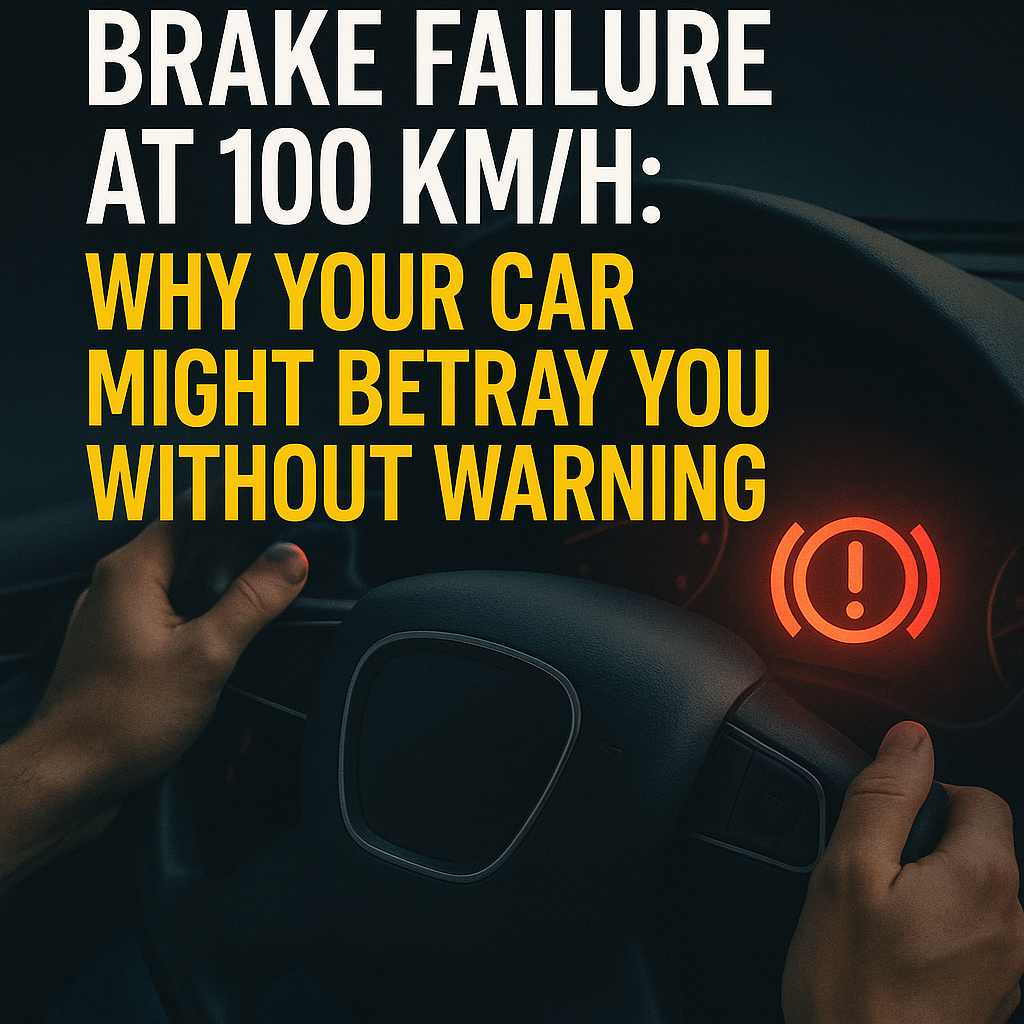
It’s a terrifying thought: you’re on the Lagos-Ibadan Expressway, cruising at 100 km/h, when suddenly your brakes fail. No warning, no gradual slowdown, just the sickening realization that your car is no longer stopping.
Also Read: Signs Your Brakes Need Immediate Attention
This nightmare scenario is not fiction. Brake failures happen more often than most Nigerian drivers realize, and when they occur at highway speeds, the results are often fatal.
This article dives into why brake failure happens, the warning signs drivers ignore, and the lifesaving steps you can take if it happens to you.
Why Brakes Fail at High Speed
Brake systems work on hydraulic pressure and friction. At high speeds, they operate under intense stress. In Nigeria, several factors make sudden failure more likely:
- Overheated Brake Pads (Brake Fade): Continuous braking downhill or in traffic.
- Fluid Leaks: Worn seals or damaged hoses cause loss of hydraulic pressure.
- Worn Pads or Discs: Poor maintenance leads to dangerously thin friction material.
- Air or Moisture in Brake Lines: Reduces effectiveness, especially in rain.
- Counterfeit Parts: Cheap pads and fluids degrade quickly.
Nigeria’s Roads Make It Worse
Our road conditions amplify the risk:
- Steep Declines: Routes like Abuja–Lokoja and Jos–Bauchi stress brakes heavily.
- Overloaded Vehicles: Common in commercial buses and trailers.
- Poor Servicing Culture: Many drivers skip brake inspections until it’s too late.
Warning Signs You Might Ignore
Brakes rarely fail without warning. Look for these red flags:
- Spongy or Soft Pedal: Could mean air in the brake lines.
- Pulling to One Side: Uneven brake pressure.
- Grinding or Squealing Sounds: Pads worn to metal.
- Brake Warning Light: Often ignored in favor of “managing it” until service.
What to Do if Brakes Fail at 100 km/h
If your brakes fail at high speed, your survival depends on calm action:
- Stay Calm: Panic will cost you precious time.
- Pump the Brake Pedal: Builds temporary pressure if fluid isn’t fully lost.
- Downshift Gears: Use engine braking to slow the car.
- Apply Handbrake Gradually: Avoid locking wheels.
- Look for Escape Routes: Shoulders, side roads, or open ground.
- Signal Other Drivers: Flash headlights, honk horn, steer predictably.
Real-Life Nigerian Case
In 2024, a commercial bus on the Ore–Benin Expressway suffered brake failure at high speed. The driver used engine braking and steered toward a clear roadside. The bus sustained damage, but all 14 passengers survived. This incident shows that quick thinking saves lives.
Prevention is the Best Defense
- Regular Inspections: Check brake pads, discs, and fluid every 10,000 km.
- Replace Low-Quality Parts: Avoid counterfeit components.
- Check Fluid Levels Frequently: Low or dirty fluid is a warning sign.
- Drive Defensively: Avoid excessive speed and constant heavy braking.
Conclusion
Brake failure at 100 km/h is a frightening possibility but one you can prepare for. With regular maintenance and knowledge of emergency responses, Nigerian drivers can turn a potential disaster into a survivable event.

Five Die as Truck, Car Collide on Badagry Expressway

Two Killed as Trucks Collide, Burst Into Flames on Anambra Road

Stakeholders Raise Alarm Over Safety Gaps in Nigeria’s CNG and Electric Vehicle Transition

Female Driver Dies in Tragic Road Crash at Mongoro, Ile-Zik Area of Lagos

Physically Challenged Beggar Killed in Multi-Vehicle Crash on Lagos-Ibadan Expressway

Court Bars FRSC Officials From State Roads

24 Pupils Killed in Tragic Bus Crash During School Excursion in Uganda

Tyre Blowouts on Heavy Trucks

BYD Seal EV: Can It Challenge Traditional Sedans?

Colorado to Strengthen Driver Education Requirements

Slow Down: Man got his Family Killed by neglecting road signs

Which Bridge is the Tallest in the World?
Impatient Driving Cause Road Accident
How Roads are Constructed on the Mountain

Texas, USA suffers heavy flooding